
Buying a Home in Seattle for Appreciation: What Most Buyers Get Wrong
If you’re buying a home in Seattle, you’ve probably thought this at some point:
Can my house make me money?
Short answer: Yes.
But that’s only half the equation.
The more important question is:
Are you willing to live in the kind of house that usually creates that outcome?
That’s where most buyers hesitate—and where I see the biggest disconnect.
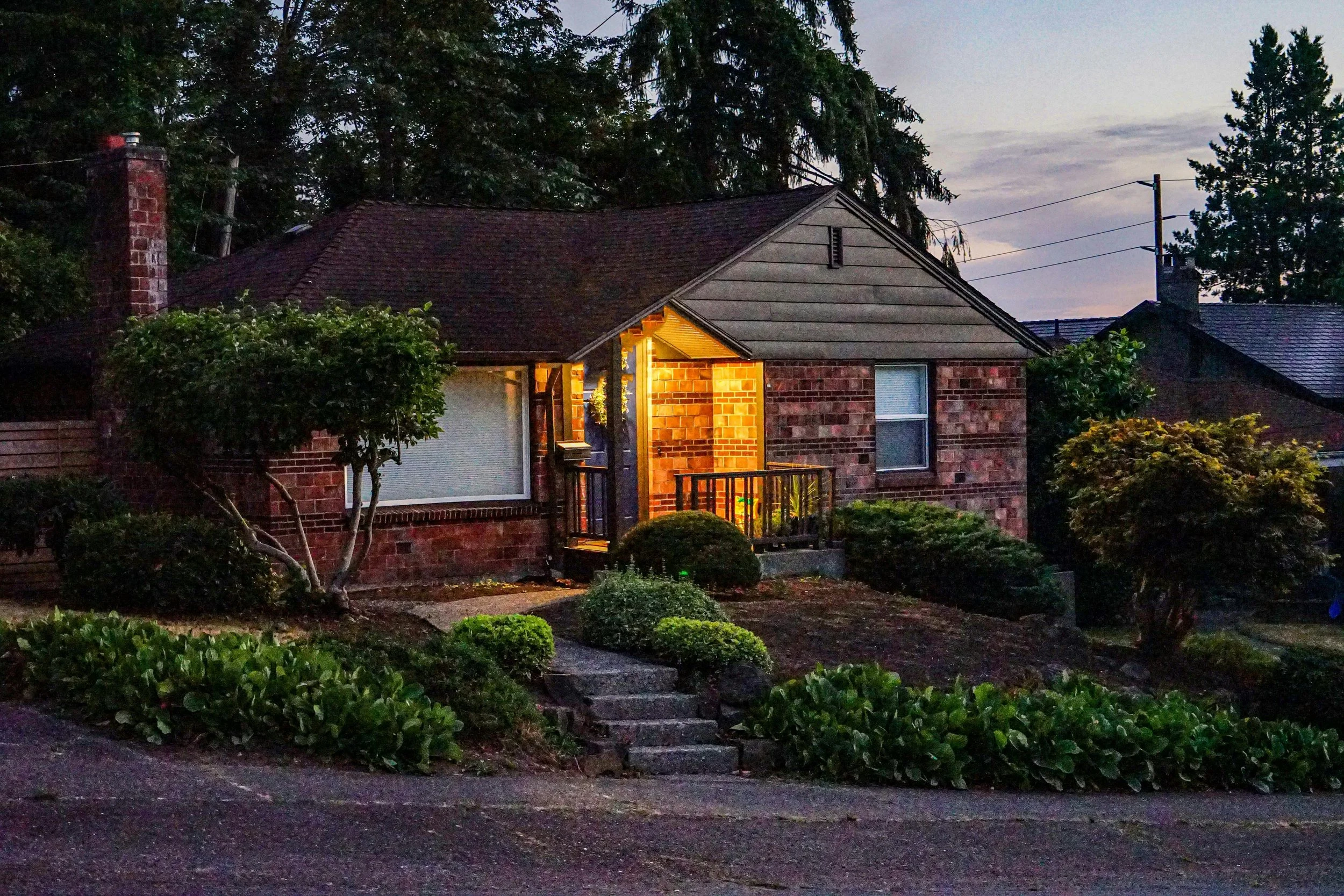
Not every home that looks “finished” is positioned for long-term upside.
Can a House Be a Good Financial Investment?
Yes.
Over time, real estate in Seattle has shown strong appreciation, especially in neighborhoods where demand continues to grow.
But not every home performs the same way.
Some properties are positioned for convenience, lifestyle, and immediate enjoyment.
Others are positioned for upside.
And those are rarely the same thing.
What Drives Upside in a Home Purchase?
In simple terms, upside usually comes from buying something that others overlook.
That can look like:
A house that needs updates
A layout that isn’t perfect
A property that feels slightly “off” compared to others nearby
The least polished home on a strong street
You’ll often hear this framed as:
“the worst house on the best street.”
It’s simple, but it’s accurate.
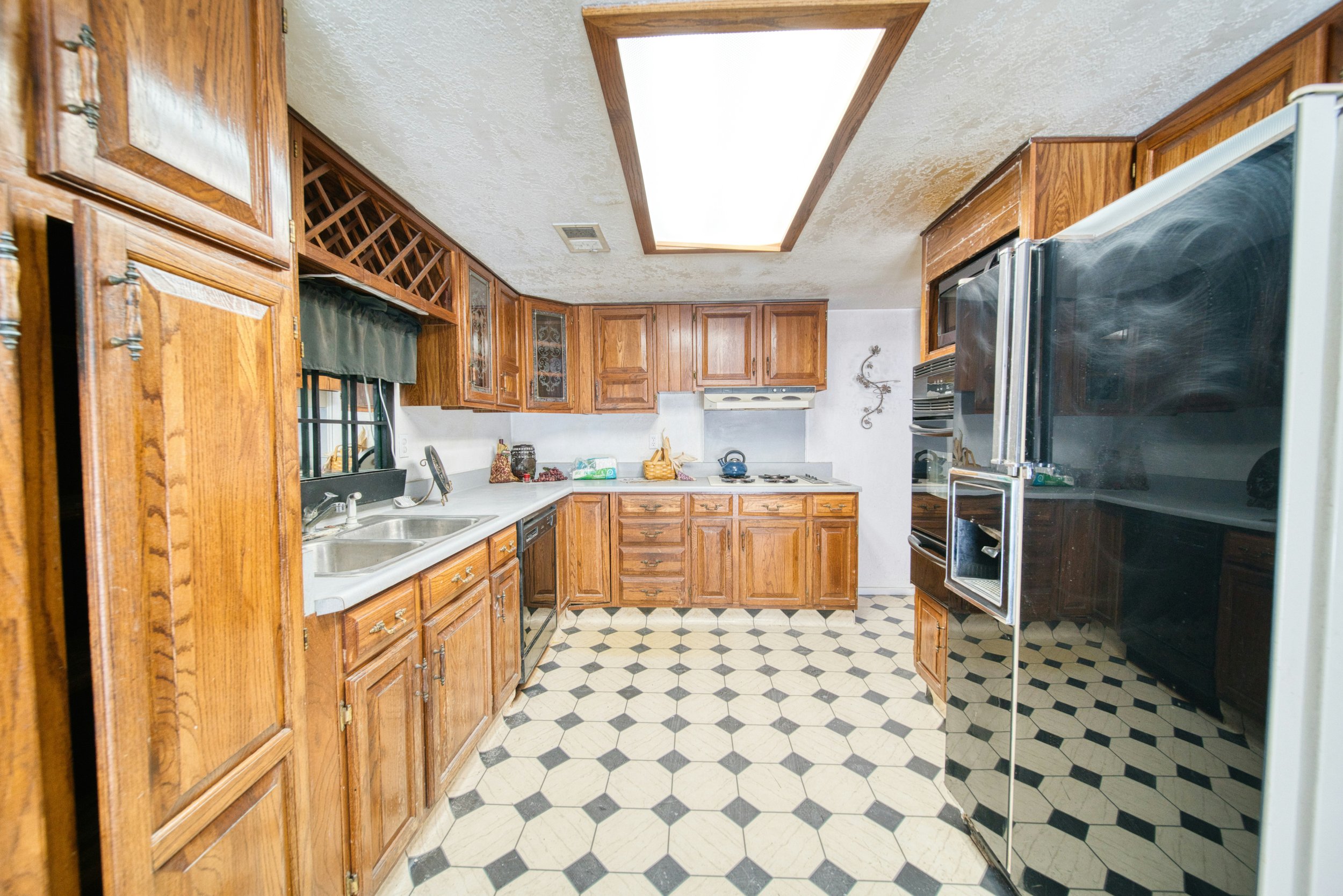
Homes with the most upside often need updates others aren’t willing to take on.
The Tradeoff Most Buyers Underestimate
A lot of people say they want appreciation.
Fewer people are willing to live in the conditions that tend to create it.
Because in practice, that often means:
Living in a home that feels unfinished
Delaying cosmetic upgrades
Passing on more turnkey options
Sacrificing some day-to-day comfort
And sometimes, even:
Not feeling great about hosting for a while
That’s the part that doesn’t show up in spreadsheets.
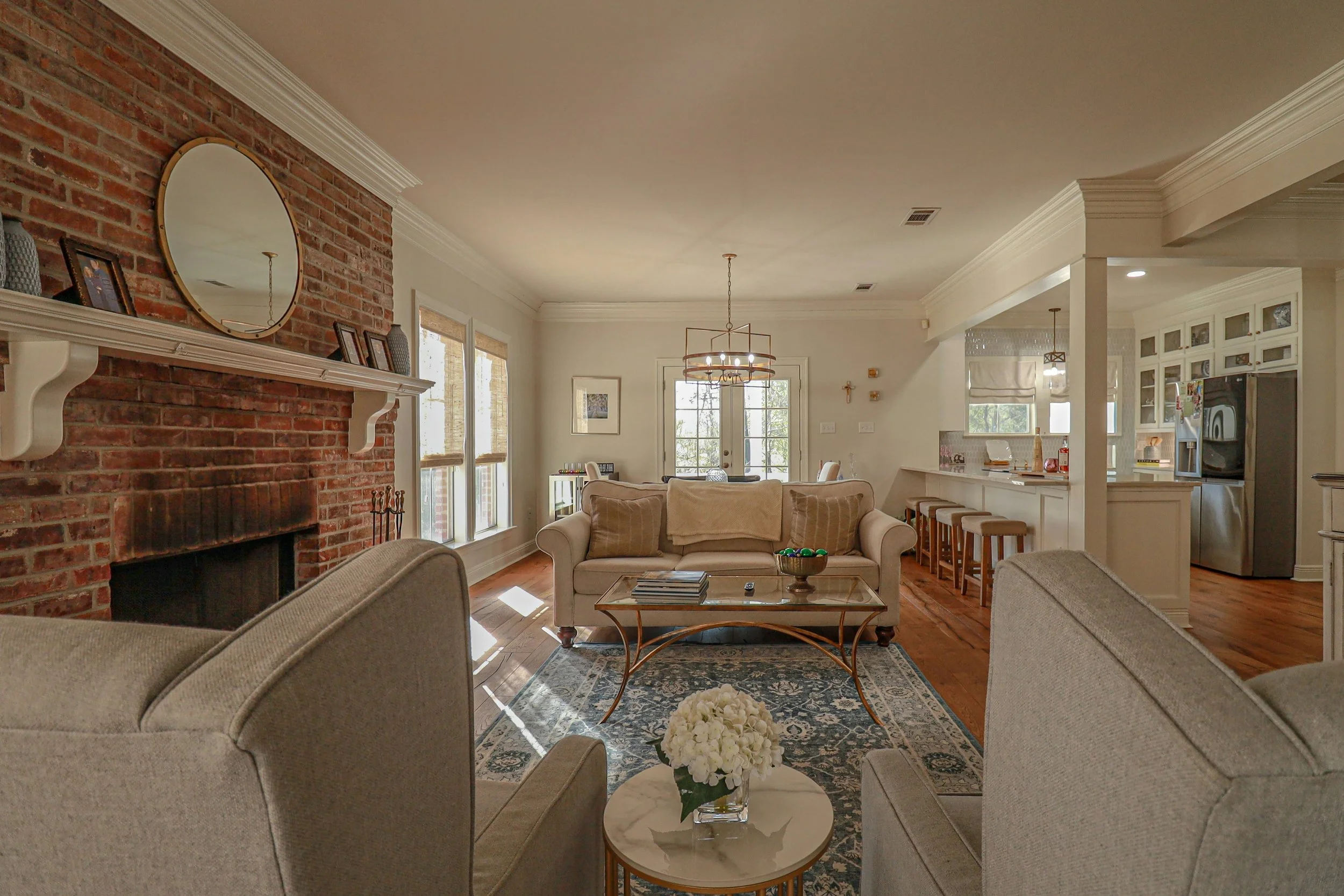
The gap between “move-in ready” and “high potential” is where the real tradeoff lives.
Why This Matters in Seattle?
In a market like Seattle, this dynamic shows up clearly.
Many neighborhoods are a mix of:
Older homes with deferred updates
New construction pushing values higher
That gap creates opportunity.
But only for buyers who are willing to step into it.
I still see this work—especially where:
Older housing stock meets strong demand
Renovation potential exists
Buyers can look past current condition
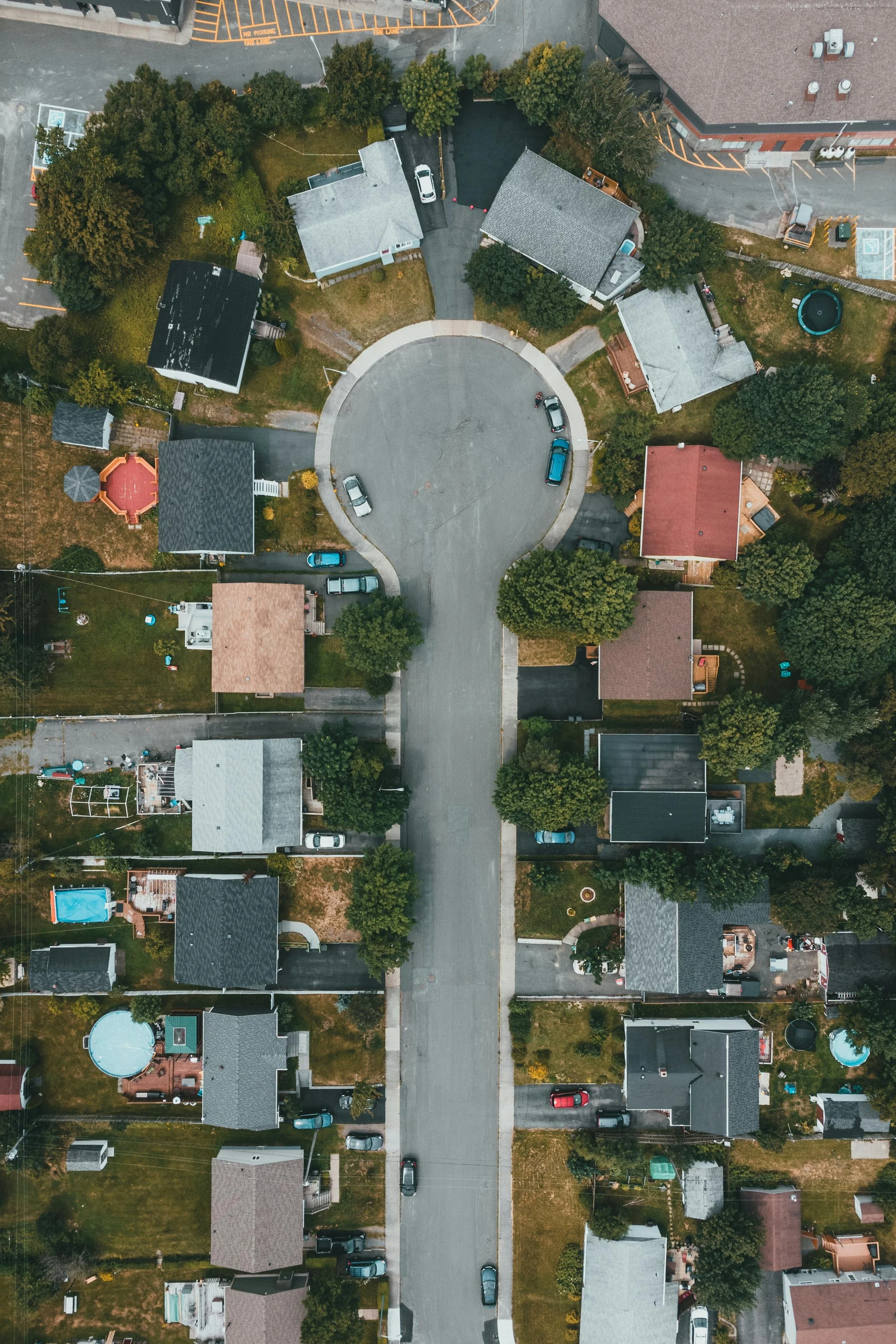
In many Seattle neighborhoods, older homes and new construction exist side by side—creating opportunity
A Common Scenario I See
A buyer tells me:
They want a home that will appreciate
They want something they feel proud of immediately
They don’t want to deal with projects
So they choose a fully updated, turnkey home.
What happens:
They get comfort and convenience
But they often pay a premium for it
Which can limit short- to mid-term upside compared to other options they passed on.
Again—this isn’t wrong.
It’s just a different goal.
What Buyers Should Be Honest About
If you take one thing from this, let it be this:
Be clear on what problem your home is solving.
If your goal is financial upside, ask yourself:
Am I willing to live in something imperfect?
Am I okay delaying certain upgrades?
Can I see past current condition?
If the answer is no, that’s completely fine.
It just means your home is solving a different problem—like:
Lifestyle
Stability
Simplicity
Immediate enjoyment
All valid.
The Real Question
The question isn’t:
“Do you want your house to make money?”
It’s:
Are you willing to live in a house that feels unfinished for a period of time?
That’s where the answer becomes real.
Final Thought
There’s still opportunity for this in Seattle.
I see it work.
But it requires alignment between:
Expectations
Comfort level
Strategy
Not every home is supposed to do everything.
The key is choosing one that does the thing you actually care about—on purpose.
If you’re thinking through this and want a second perspective, I’m happy to compare notes.
Every home purchase solves a different problem. If you want help identifying which strategy makes the most sense for you, I’m happy to walk through it together.
