
How Much Should You Prepare Your Home Before Selling?
More Preparation Doesn’t Always Lead to a Better Home Sale
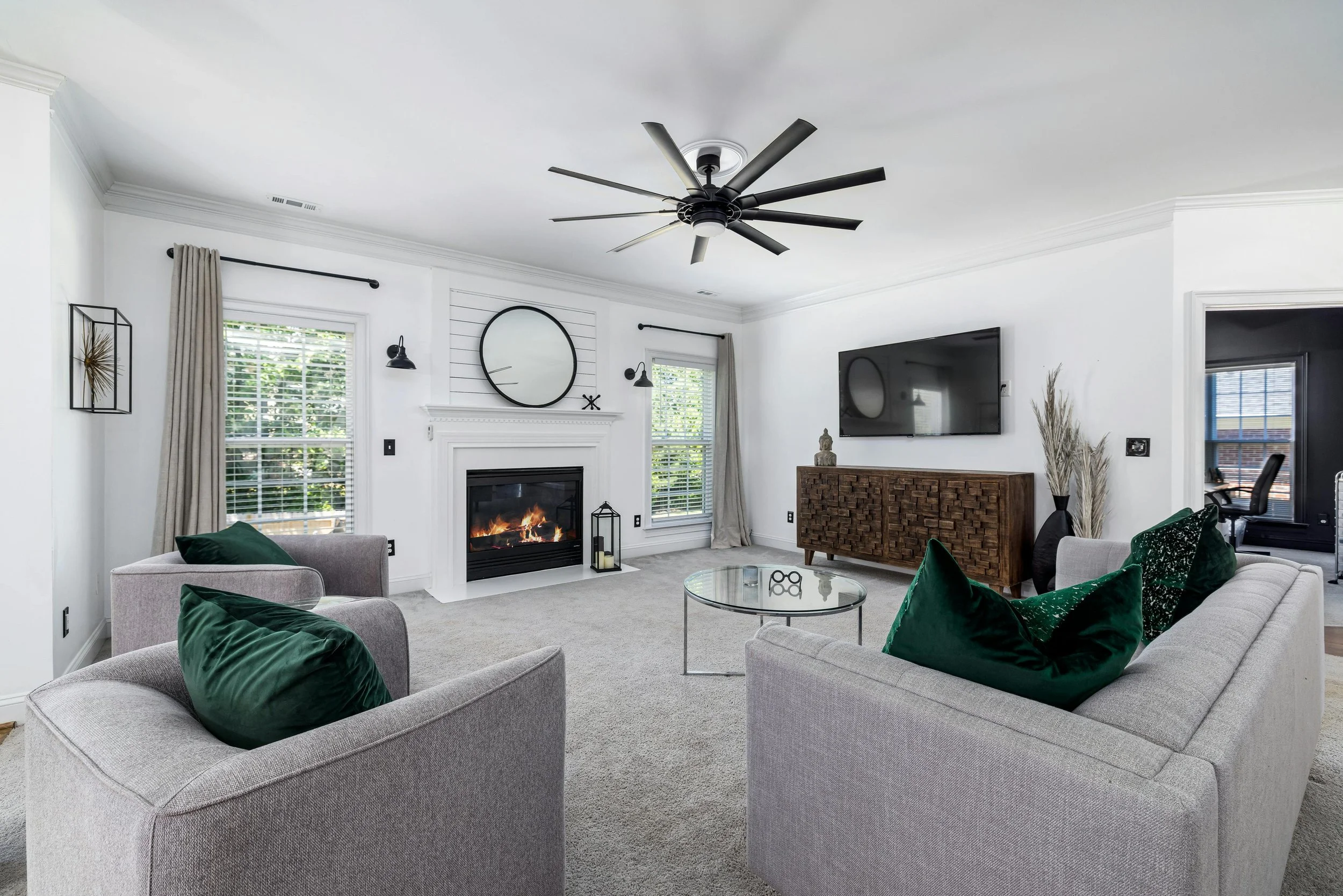
A lot of long-term homeowners assume that the more work they put into preparing their home, the better it will perform when it hits the market.
On paper, that makes sense.
If you’ve lived somewhere for decades, there’s a natural instinct to fix everything possible before handing the home off to someone else. You want the property to feel complete, cared for, and fully ready for the next owner.
But buyers don’t experience a home the same way homeowners do.
Buyers Form Impressions Quickly
Most buyers make emotional judgments within the first few moments of walking through a property.
They are not carefully tracking how many repairs were completed or how much effort went into the preparation process. Instead, they’re reacting to how the home feels and how it compares to the other homes they’ve seen recently.
Does the space feel bright?
Does it feel calm and well-maintained?
Does it feel easy to move into?
Does it stand out positively from competing listings?
Those impressions tend to matter more than people expect.
Some Preparation Absolutely Matters
That doesn’t mean preparation is unimportant.
Certain updates consistently help a home present better:
Deep cleaning
Fresh paint
Landscaping touch-ups
Decluttering
Addressing obvious deferred maintenance
Improving lighting and presentation

These things help buyers focus on the home itself rather than distractions.
But there’s usually a point where additional work creates diminishing returns.
More Work Does Not Always Mean More Value
One of the biggest mistakes sellers make is over-improving right before listing.
Sometimes homeowners spend substantial time and money on projects buyers barely notice. In other cases, they remove details that actually gave the home warmth or character because they assume “updated” automatically means “better.”
That can unintentionally make a home feel more generic instead of more appealing.
The goal is not perfection.
The goal is helping the home present clearly and competitively in today’s market.
Preparation Should Match the Market
The right level of preparation depends on the property, the neighborhood, the likely buyer, and the price point.
A thoughtful strategy is usually more effective than trying to fix everything.
In many cases, sellers benefit more from:
prioritizing high-visibility improvements,
preserving the home’s strongest features,
and avoiding unnecessary projects with low return.
That approach often creates a cleaner presentation while protecting the seller from overspending before the sale.

Final Thought
Preparing a home for market absolutely matters. But more preparation is not always better.
Buyers experience homes emotionally and comparatively, not as a checklist of completed repairs.
The strongest results usually come from making smart, targeted improvements that help the home feel well cared for without overcorrecting or stripping away what made it appealing in the first place.
