
7 AM Tech Sprints vs. 9 AM Magnolia Stories: Two Worlds, One Market."
If you want to understand the current state of the Seattle real estate market, you don't need to spend hours studying market reports or complicated spreadsheets. Spend a morning at your local Starbucks.
There is a rhythm to Seattle that reveals itself in two distinct waves, and the way these two groups think about buying and selling a home couldn't be more different. My daily work as a Seattle Realtor exists in the space between these two worlds, helping each side understand the other so that everyone can make better real estate decisions.

The 7 AM Sprint: How Seattle Tech Professionals Think About Real Estate
Before the sun is fully up, the first wave arrives. These are the tech professionals grabbing their cold brews and Americanos before heading to South Lake Union, Bellevue, or the Eastside.
For many of them, a home is viewed through the lens of an investment. They're thinking about career opportunities, stock vesting schedules, future flexibility, and how a home fits into a five- or ten-year plan.
To a tech buyer, a house is often evaluated through data. They compare square footage, commute times, school districts, resale potential, and long-term appreciation. They aren't simply looking for a place to live—they're looking for a strategic financial decision.
They're analytical, informed, and quick to evaluate tradeoffs because that's often how they approach decisions in their professional lives.
The 9 AM Shift: How Long-Term Seattle Homeowners See Their Homes
By 9 AM, the energy inside the café changes. The rushing slows down, conversations become longer, and familiar faces gather around the same tables they've been visiting for years.
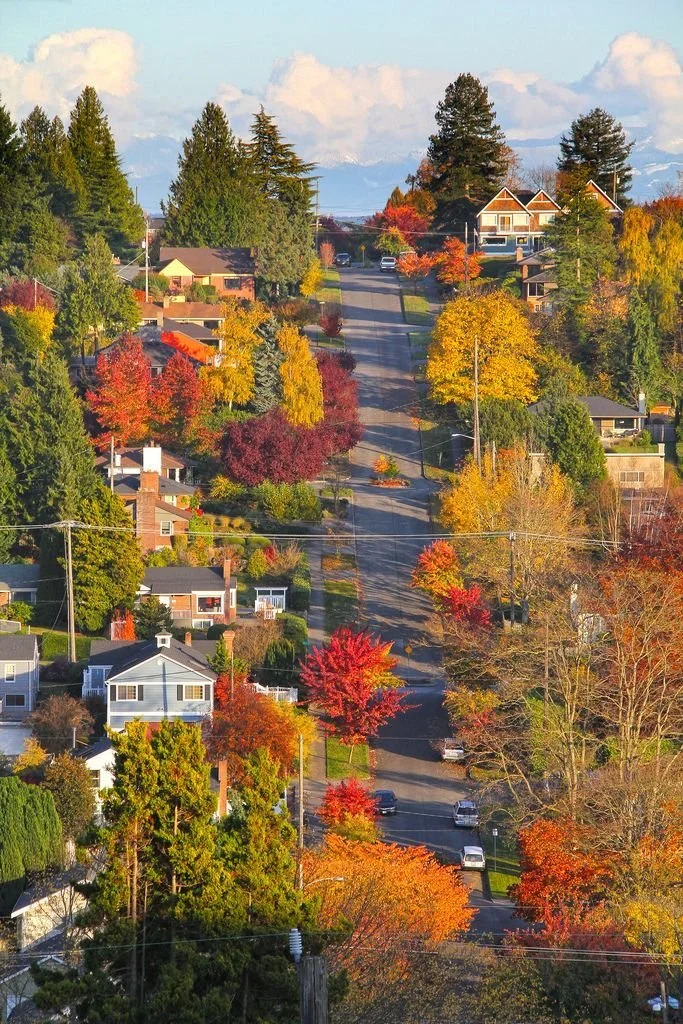
These are often the long-term homeowners who have spent decades building their lives in neighborhoods like Magnolia.
For them, a house isn't simply an asset.
It's where they raised their children. It's where they watched the trees in the backyard grow from saplings into towering evergreens. They know which neighbor has the best garden, which streets are quietest, and how the neighborhood has changed over the last twenty or thirty years.
When they think about real estate, they're thinking about community, stability, relationships, and the legacy they're leaving behind—not just market value.
Where These Two Perspectives Meet
Both groups are accomplished, thoughtful people.
Neither perspective is right or wrong.
The challenge is that they're often speaking two completely different languages.
A tech buyer may look at a 1950s home and see a renovation opportunity with strong land value.
The homeowner may look at that exact same house and see the place where birthdays were celebrated, children grew up, and lifelong memories were made.
Both perspectives are true.
This is where my role as a real estate advisor begins.
When a tech buyer walks through a long-time family home, I help them recognize the value that doesn't appear on a spreadsheet—the strength of the neighborhood, the quality of the location, and the characteristics that have kept people there for decades.
When a long-term homeowner decides it's time to sell, I help them understand how today's buyers evaluate homes so they can position their property for the next generation of owners.
One of the Biggest Challenges in the Seattle Real Estate Market
In a market as nuanced as Seattle real estate, expensive mistakes often happen when these two perspectives fail to understand each other.
A buyer can become so focused on numbers that they overlook a neighborhood with exceptional long-term value and community.
A seller can become so attached to memories that they overlook the practical expectations and analytical mindset of today's buyers.
Neither approach is inherently wrong, but each becomes limiting when it ignores the other side of the equation.
Better Real Estate Decisions Come From Understanding Both Perspectives
One of the things I've come to appreciate about working in Seattle is that every transaction is more than a financial exchange.
It's often the meeting point between the future and the past.
One person is building the next chapter of their life, while another is closing a chapter that may have lasted decades.
The best outcomes happen when both sides understand that they value the same home differently—and that both perspectives have merit.
That's what makes Seattle real estate so unique. It's not just about inventory levels, interest rates, or home prices. It's about people, their experiences, and the different ways they define the meaning of home.
