
The Benefits of Long-Term Homeownership in Seattle: More Choices Later
One of the benefits of owning a home for a long time doesn't get talked about very much.
It's flexibility.
When people discuss the financial benefits of long-term homeownership in Seattle, the conversation usually centers on appreciation and equity. Those are important. A home purchased decades ago may be worth significantly more today, while years of mortgage payments may have substantially reduced—or eliminated—the balance owed.
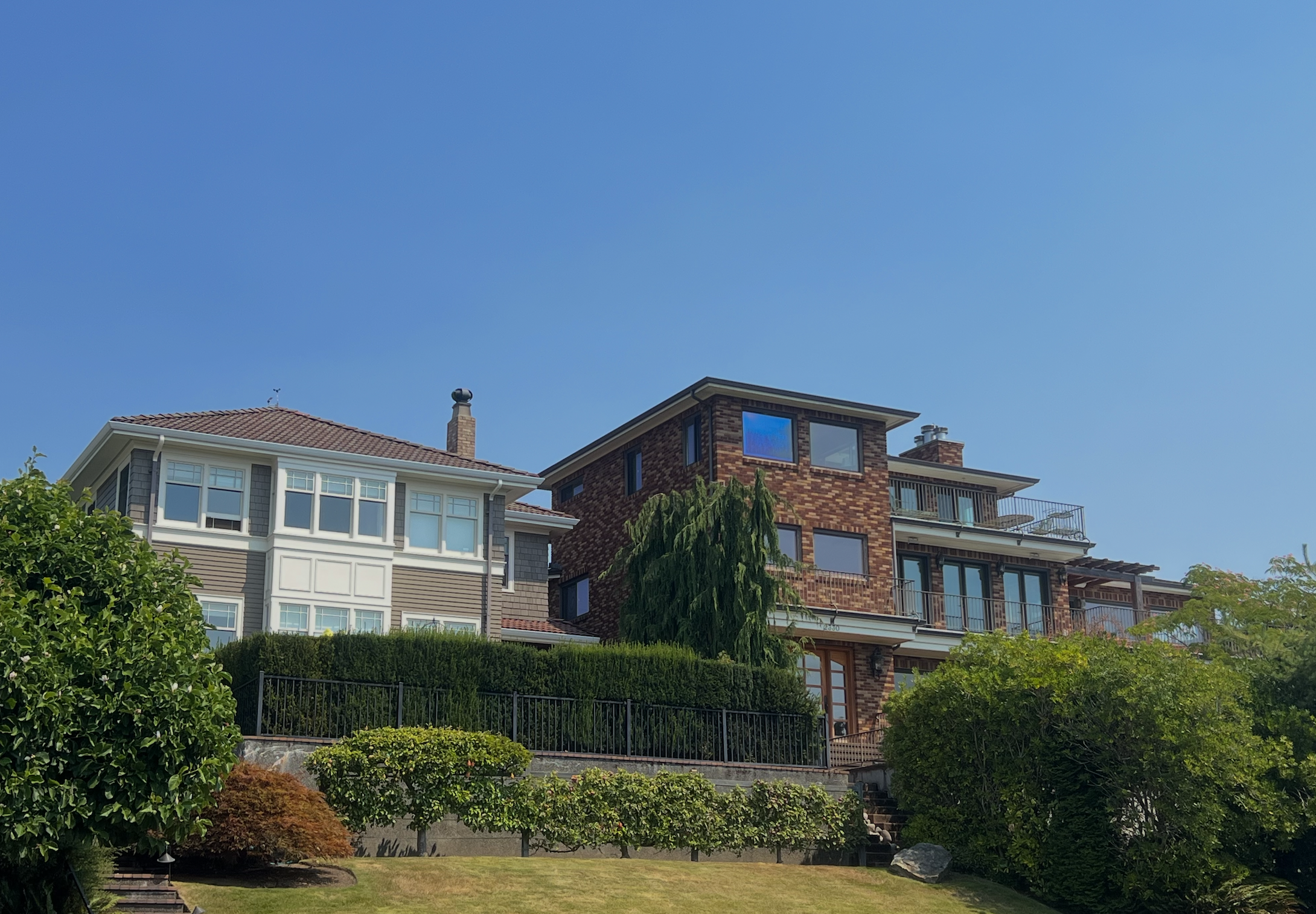
Magnolia Neighborhood in Seattle
But there is another benefit that can become increasingly valuable over time: having more choices about what comes next.
For homeowners who have owned property in Seattle or Magnolia for decades, that flexibility can be one of the most valuable outcomes of building equity over time.
Why Seattle Homeowners Focus on Appreciation and Equity
It's easy to understand why appreciation gets so much attention in Seattle real estate.
A homeowner who purchased a property many years ago may have seen a significant increase in its value. At the same time, every mortgage payment has gradually reduced the amount owed on the property.
The result is equity.
That equity can become one of the largest assets a homeowner owns, which is why real estate is often discussed primarily as a way to build wealth.
But looking only at the dollar value can miss something important.
The value of that equity isn't necessarily just what it is worth on paper. It can also change the choices available to the homeowner.
What Changes After Decades of Ownership
The biggest difference between buying a home and owning one for decades is that the financial structure of the decision changes.
Early in homeownership, the mortgage payment can be one of the largest constraints on a household's finances. A homeowner may have limited flexibility because a significant portion of their income is committed to housing.
Years later, that situation can look very different.
A Seattle homeowner who has paid off their mortgage—or built substantial equity—may have considerably more room to make decisions based on preference rather than necessity.
They may be able to stay in their current home without taking on another large housing payment.
They may decide to move closer to family.
They may want to downsize.
They may choose a smaller home that requires less maintenance.
Or they may decide that the equity they've built gives them the ability to approach their next stage of life differently.
The important point is not necessarily what they choose.
It's that they have options.
The Real Benefit Is Having a Choice
This changes the way I think about long-term homeownership in Seattle.
The goal isn't necessarily to stay in the same house forever.
It's to reach a point where staying, moving, downsizing, renovating, or changing your housing situation can all be evaluated as choices rather than emergencies.
Consider a homeowner who has owned a house in Magnolia for 20 or 30 years.
When they originally bought the home, the decision may have been driven by completely different priorities: raising a family, getting more space, being close to schools, having a manageable commute, or simply finding a place they could afford.
Decades later, those priorities may have changed.
The children may be grown. The commute may no longer matter. The house may feel larger than necessary. Being closer to family may have become more important.
Or the homeowner may simply like the neighborhood and want to stay.
Long-term ownership can create the financial flexibility to consider all of those possibilities.
How Long-Term Homeownership Creates Flexibility
That flexibility doesn't appear suddenly.
It's usually built through years of relatively ordinary decisions.
Making mortgage payments.
Maintaining the property.
Improving it when necessary.
Staying through different Seattle housing cycles.
Choosing not to sell simply because the market is temporarily uncertain.
Over time, those decisions can create a financial position that provides more freedom later.
One pattern I see with long-term homeowners is that the most valuable thing about their home isn't always the return they could get by selling it.
It's that they don't have to sell it.
A homeowner with substantial equity may be able to stay because the home still works for them.
They may be able to move because they want a different lifestyle rather than because they need to solve a financial problem.
They may be able to downsize without starting over financially.
That distinction becomes increasingly meaningful as circumstances change.
When Staying Makes Sense—and When It Doesn't
Long-term ownership isn't automatically the right answer.
A home can become too large, too expensive to maintain, poorly suited to changing needs, or simply wrong for the next phase of someone's life.
That can happen in Magnolia just as it can anywhere else in Seattle.
A home that was ideal for raising children may not be the home someone wants later in life. A large yard may eventually feel like a maintenance obligation. Stairs, distance from services, or the layout of the house may become more important considerations than they were decades earlier.
In those situations, selling may make sense.
The point isn't that homeowners should stay put indefinitely.
The point is that long-term ownership can create the ability to choose when the time comes to change.
And having that choice can be valuable in itself.
Patience Can Create More Than Wealth
Real estate conversations often focus on timing.
Should you buy now?
Should you sell now?
Are prices going up?
Are mortgage rates going down?
Those questions matter, but long-term homeownership offers a different perspective.
Some of the benefits aren't created by getting the timing exactly right. They're created by owning a property for a long time and allowing the financial structure of ownership to change.
For a long-term Seattle or Magnolia homeowner, the result may eventually be more than appreciation or equity.
It may be the ability to decide where to live next without every decision being dictated by the mortgage.
That could mean staying in the home you've known for decades.
It could mean moving closer to family.
It could mean downsizing.
It could mean simplifying.
Or it could simply mean knowing that you have choices if your circumstances change.
Appreciation and equity are important outcomes of long-term homeownership.
But one of the most overlooked outcomes may be the flexibility those years of ownership can create.
After enough time, a home can become more than an asset.
It can become a source of options.
