
The Long-Term Benefits of Homeownership: Beyond Building Equity
One of the least discussed benefits of long-term homeownership isn't appreciation or even equity. It's flexibility.
When people think about owning a home for decades, the conversation usually centers on financial gain. They talk about how much the property has increased in value or how much equity has been accumulated over time.
Those are meaningful benefits, but they aren't the outcome that most changes a person's life.
What often becomes more valuable is the freedom to make decisions from a position of choice rather than necessity.
It's understandable why appreciation receives most of the attention. Home values are easy to measure, and equity has a clear dollar amount attached to it.
For years, many homeowners are focused on paying the mortgage, maintaining the property, and building financial stability. The objective is often to create wealth, and homeownership can be an important part of that process.
What receives much less attention is what happens after those years of steady ownership.
As mortgage balances shrink and equity grows, the role of the home begins to change.
Instead of simply being a place to live, it becomes an asset that creates options. If the mortgage has been paid off, or if a homeowner has accumulated substantial equity, future decisions often become less constrained by monthly housing costs.
That flexibility can take many forms. Some homeowners decide to remain exactly where they are because they enjoy their neighborhood and appreciate the financial stability that comes with lower housing expenses.
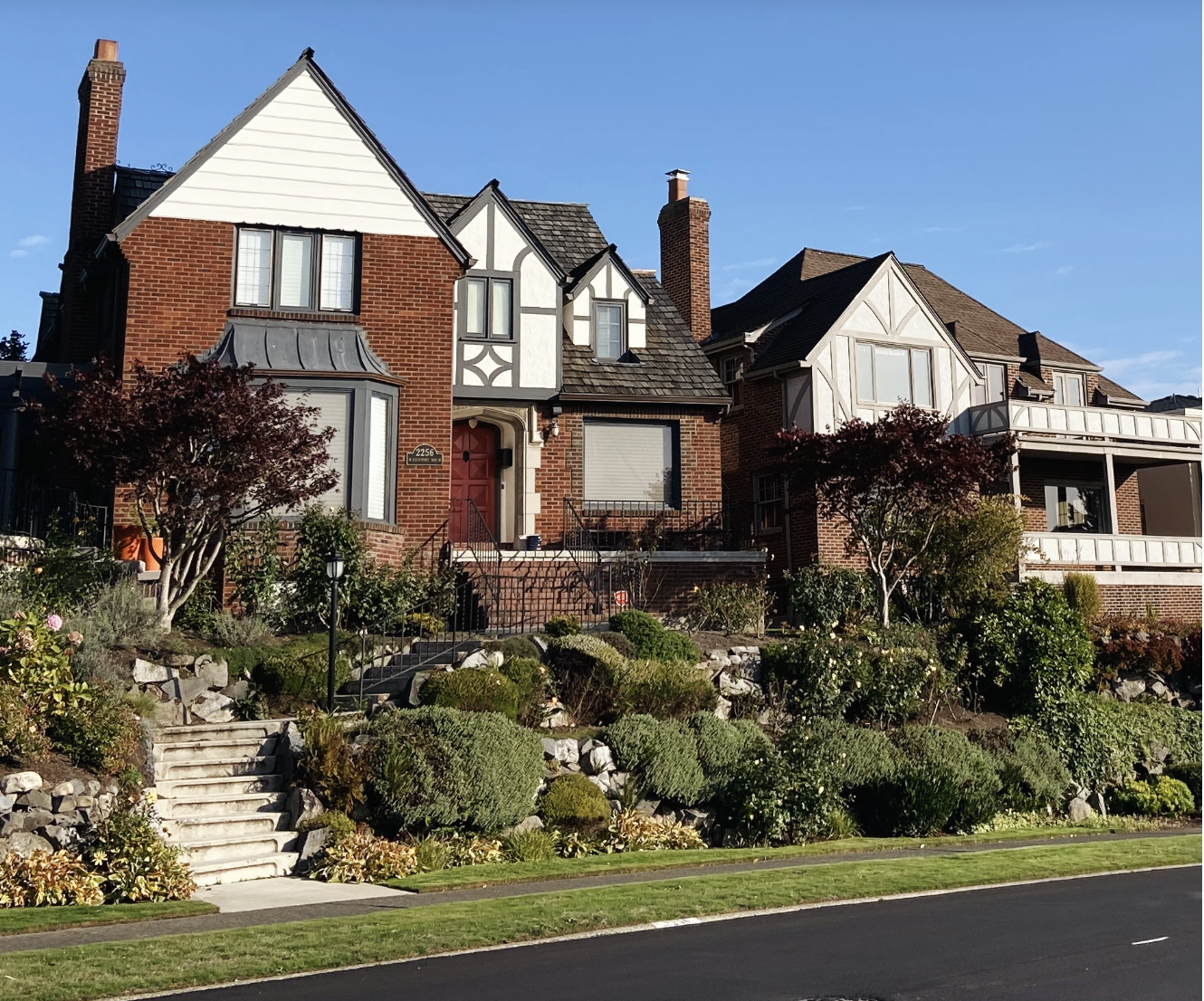
Others choose to move closer to children or grandchildren as family dynamics evolve. Some realize they no longer need as much space and decide to downsize into a home that's easier to maintain. Others use the equity they've built to purchase a different property that better fits the next stage of life.

The common thread is that these decisions become possible because of years of patient ownership rather than a single financial event.
The real decision isn't simply whether to keep a home or sell it. It's deciding how to use the flexibility that long-term ownership has created.
Equity isn't valuable only because it increases net worth. Its greatest value is often that it expands the number of paths available when life changes.
I've noticed that many long-term homeowners underestimate this advantage. They still think about moving as though they're buying their first home, assuming every decision will involve stretching their finances or taking on significant new debt.
In reality, decades of ownership often place them in a much stronger position than they realize. Their housing decisions are no longer driven entirely by what they can afford today.
They're shaped by years of equity, lower debt, and accumulated financial stability.
That doesn't mean every homeowner should make a change simply because they have the ability to do so. In many cases, staying put is exactly the right decision. If the home continues to support your lifestyle, your neighborhood still feels like home, and your housing costs are manageable, remaining where you are may offer both financial and personal stability.
On the other hand, there are times when homeowners stay simply because it's familiar, even when their needs have changed. They continue maintaining more house than they need, postpone moving closer to family, or delay simplifying their lives because they're focused on what they've always done rather than what would serve them now. Having options only becomes meaningful when you're willing to evaluate them honestly.
Long-term homeownership rewards patience in ways that aren't always obvious while you're living through it. The appreciation and equity matter, but they're only part of the story.
Over time, those years of consistent ownership create something that's often even more valuable: the ability to make life's next decisions with greater freedom, greater confidence, and far more choices than you had when you first bought the home.
