
Your Home Is More Than an Investment: Why Housing Matters in Every Seattle Real Estate Market
Every real estate market gets a label.
Some years it's a seller's market, where inventory is low and homes receive multiple offers.
Other years it's a buyer's market, where buyers have more choices and sellers need to compete more aggressively.
Those labels matter. They influence pricing strategies, negotiations, marketing, and expectations. Ignoring them isn't good advice.
But I think there's another perspective that's worth remembering—especially if you've owned your home for a long time.
Your Home Is More Than a Market Asset
After years of homeownership, it's easy to think about your property primarily in financial terms.
How much has it appreciated?
How much equity have you built?
What will it sell for?
Those questions are important, but they aren't the whole story.
What you actually own is something people continue to need regardless of where interest rates are or how the housing market shifts.
A roof over someone's head.
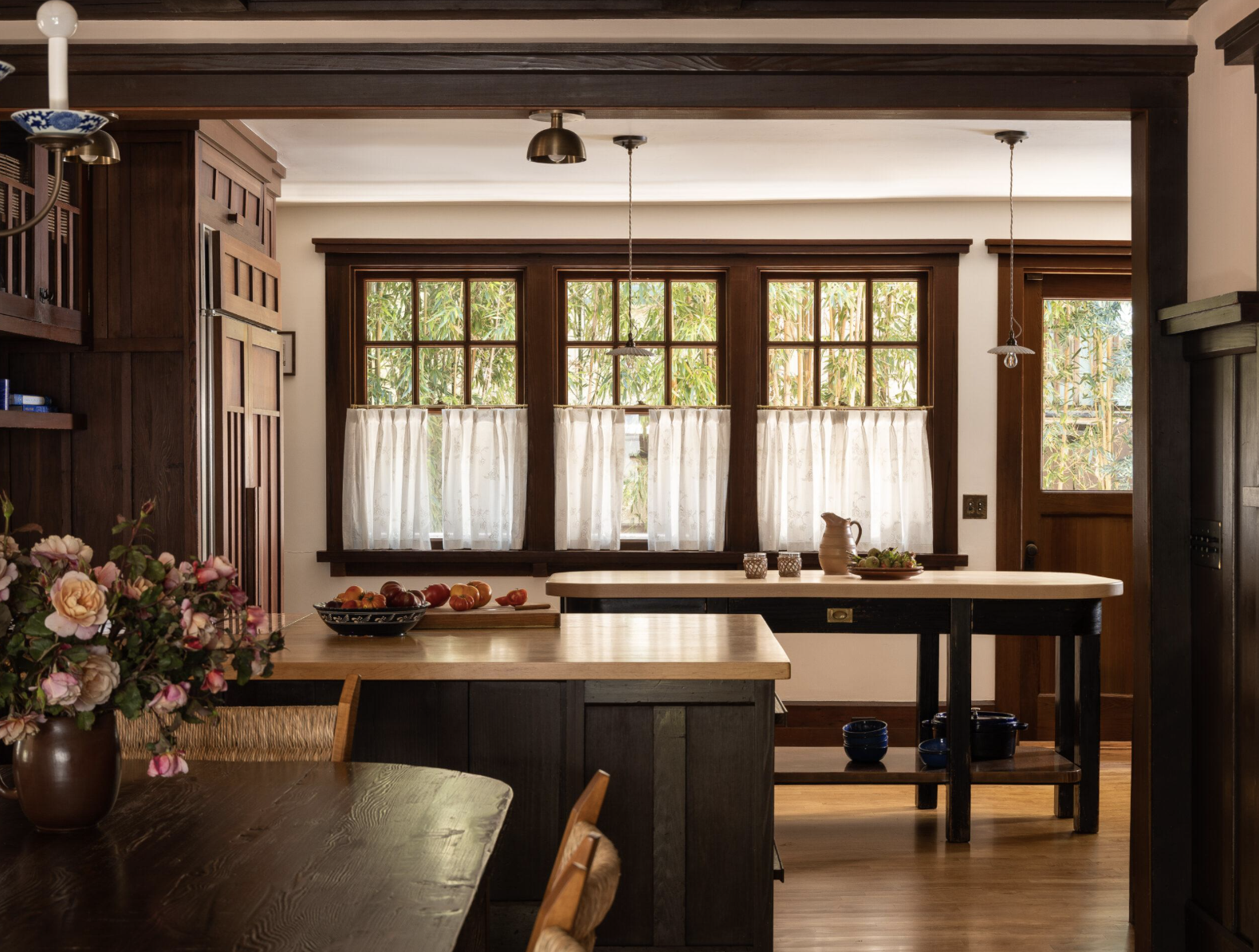
A kitchen where families gather for dinner.
A neighborhood where children make friends.
A place where someone builds routines, celebrates milestones, and creates memories that may last for decades.
Those needs don't disappear because mortgage rates change.
Markets Change. Housing Needs Don't.
Every few years, headlines convince people that everything has changed.
Interest rates rise.
Inventory increases.
Buyer demand slows.
Or the opposite happens.
The market constantly moves through cycles, and every cycle creates different challenges for buyers and sellers.
But underneath those cycles is something much more stable.
People still need homes.
Young professionals still want to stop renting.

Growing families still need more space.
Empty nesters still decide it's time to downsize.
People relocate for work, move closer to family, retire, get married, have children, or simply decide they're ready for a different chapter.
The reasons people move are remarkably consistent, even when the market isn't.
That's why housing remains fundamentally different from many other investments.
This Doesn't Mean Pricing Doesn't Matter
None of this suggests homeowners can ignore market conditions.
They can't.
Buyers always have alternatives.
If inventory is high, they'll compare multiple homes.
If pricing isn't aligned with today's market, they'll move on.
Successful sellers still need realistic expectations, thoughtful preparation, and a pricing strategy based on current conditions.
The market determines what buyers are willing to pay today.
That hasn't changed.
But Don't Lose Sight of What You're Offering
One pattern I've noticed is that homeowners sometimes become so focused on market statistics that they forget what they're actually selling.
They're not simply transferring ownership of an appreciating asset.
They're giving someone the opportunity to build a life in a place that has likely served them well for many years.
That's why buyers don't evaluate homes using spreadsheets alone.
They imagine where they'll eat breakfast.
They picture their furniture in the living room.
They think about walking to nearby parks, commuting to work, or watching their children grow up there.
A home's value is ultimately reflected in its sale price.
But its purpose extends far beyond that number.
The Real Decision
If you're considering selling, pay attention to the market.
Understand inventory.
Price your home appropriately.
Recognize your competition.
Those factors absolutely matter.
But it's also worth remembering that you're offering something people will continue to seek in every kind of market.
The market determines today's value.
The need for a place to call home doesn't disappear.
