
Does the Rent Cover the Mortgage? That’s Not the Full Picture
A lot of homeowners land on the same conclusion when they think about renting out their home:
“The rent covers the mortgage, so it should work.”
It’s a reasonable starting point.
But it leaves out a big part of the picture.
The mortgage is only one piece of the cost
When people run the numbers, they often focus on the most visible expense: the monthly mortgage payment.
But owning a home includes more than that.
There’s:
Property taxes
Insurance
Ongoing maintenance
And then there are the larger, less frequent costs:
Roof replacement
Siding
Windows
Major systems like HVAC, plumbing, or electrical
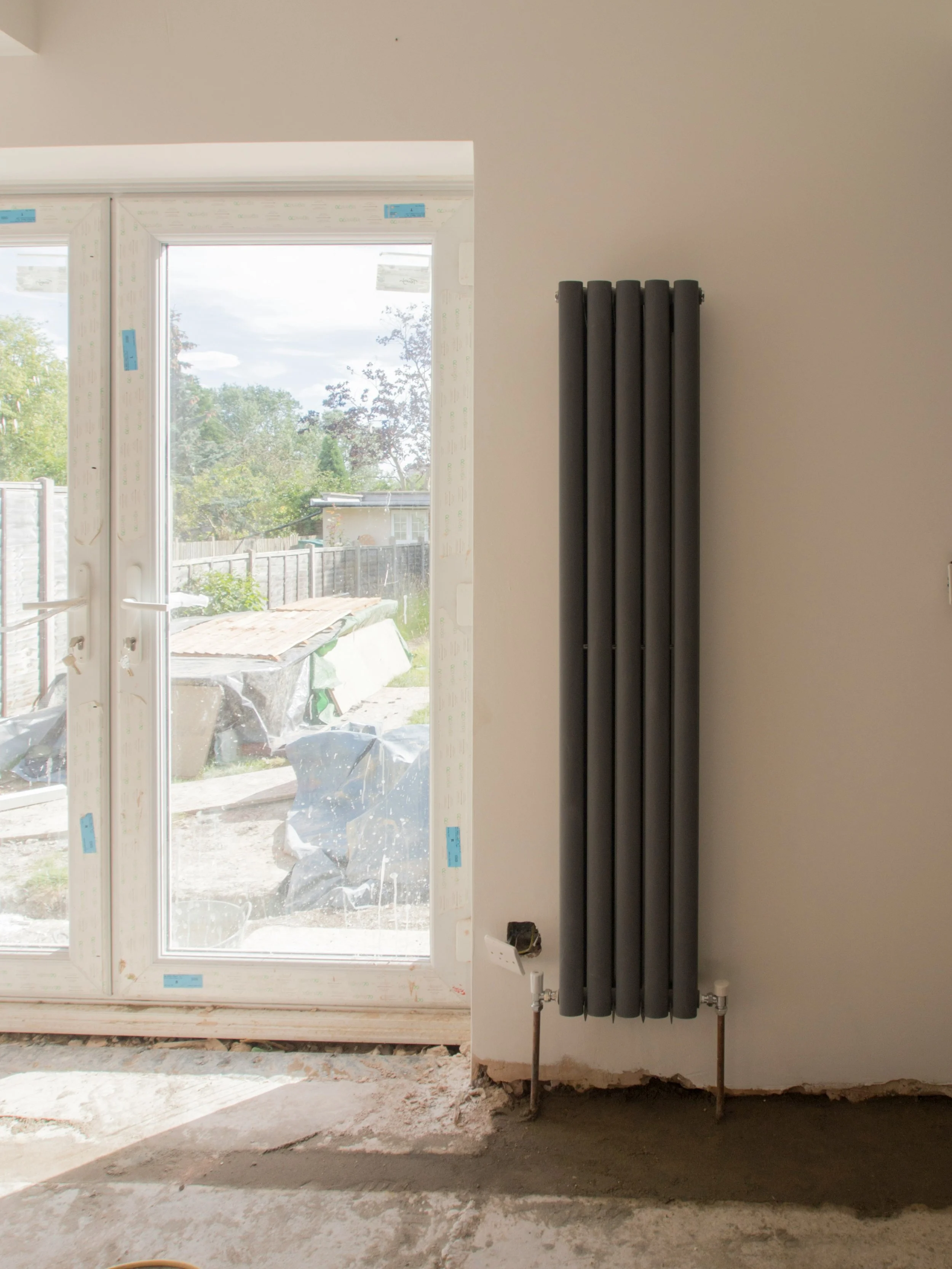
These don’t show up every month, which makes them easy to overlook. But over time, they’re not optional—and they’re not small.
The real question is about total cost over time
So the better question isn’t:
“Does the rent cover the mortgage?”
It’s:
“Does the rent cover the full cost of owning this property over time?”
Because if it doesn’t, the difference has to come from somewhere else.
What “breaking even” actually means
A property that covers its mortgage but not its full costs isn’t truly breaking even.
It’s being subsidized.
That doesn’t automatically make it a bad decision—but it does change what kind of decision you’re making.
Instead of a self-sustaining rental, you’re choosing to:
Contribute additional cash over time
Take on irregular, sometimes large expenses
Accept variability in returns

When that tradeoff can still make sense
Some homeowners are completely comfortable with that.
Because they’re not just thinking about monthly cash flow—they’re thinking about:
Long-term appreciation
Holding onto a property in a strong market
Future flexibility (moving back in, selling later, etc.)
In that context, contributing extra money isn’t a mistake. It’s part of the strategy.
But that’s a different decision than assuming the property pays for itself.
Where people tend to get caught off guard
The friction usually comes from unclear expectations.
A homeowner believes the property is “working” because the rent covers the mortgage.
Then a larger expense shows up—a roof, a system failure, a period of vacancy—and suddenly the numbers feel very different.
Not because something went wrong.
But because the full cost wasn’t accounted for upfront.
Clarity leads to better decisions
There are really two paths here:
1. The property is self-sustaining
Rent covers most or all costs over time, including maintenance and capital expenses.
2. The property requires support
You contribute additional money, with the expectation of long-term upside or other benefits.
Both can be valid.
But they are not the same.
Final thought
Rent covering the mortgage is a helpful data point.
It’s just not the full story.
The better approach is to understand the entire cost of ownership—and decide intentionally whether the property supports itself or whether you’re choosing to support it.
Because once that’s clear, the decision becomes a lot more straightforward.
