
Why Home Value Doesn’t Always Reflect What You’ve Put Into It
A lot of homeowners expect the value of their home to reflect what they’ve put into it over time.
That’s a reasonable instinct.
You’ve spent money on updates. You’ve maintained the property. You’ve made decisions to improve how it lives. Over time, it adds up in your mind because you experienced it directly.
But the market doesn’t work that way.
Value is based on comparison, not history
Real estate value isn’t a record of investment.
It’s a comparison.
When someone evaluates your home, they’re not reconstructing its history. They’re asking a much simpler question:
“How does this compare to everything else I can buy right now?”
That shift changes everything.
Because the market only cares about today’s options, not yesterday’s effort.
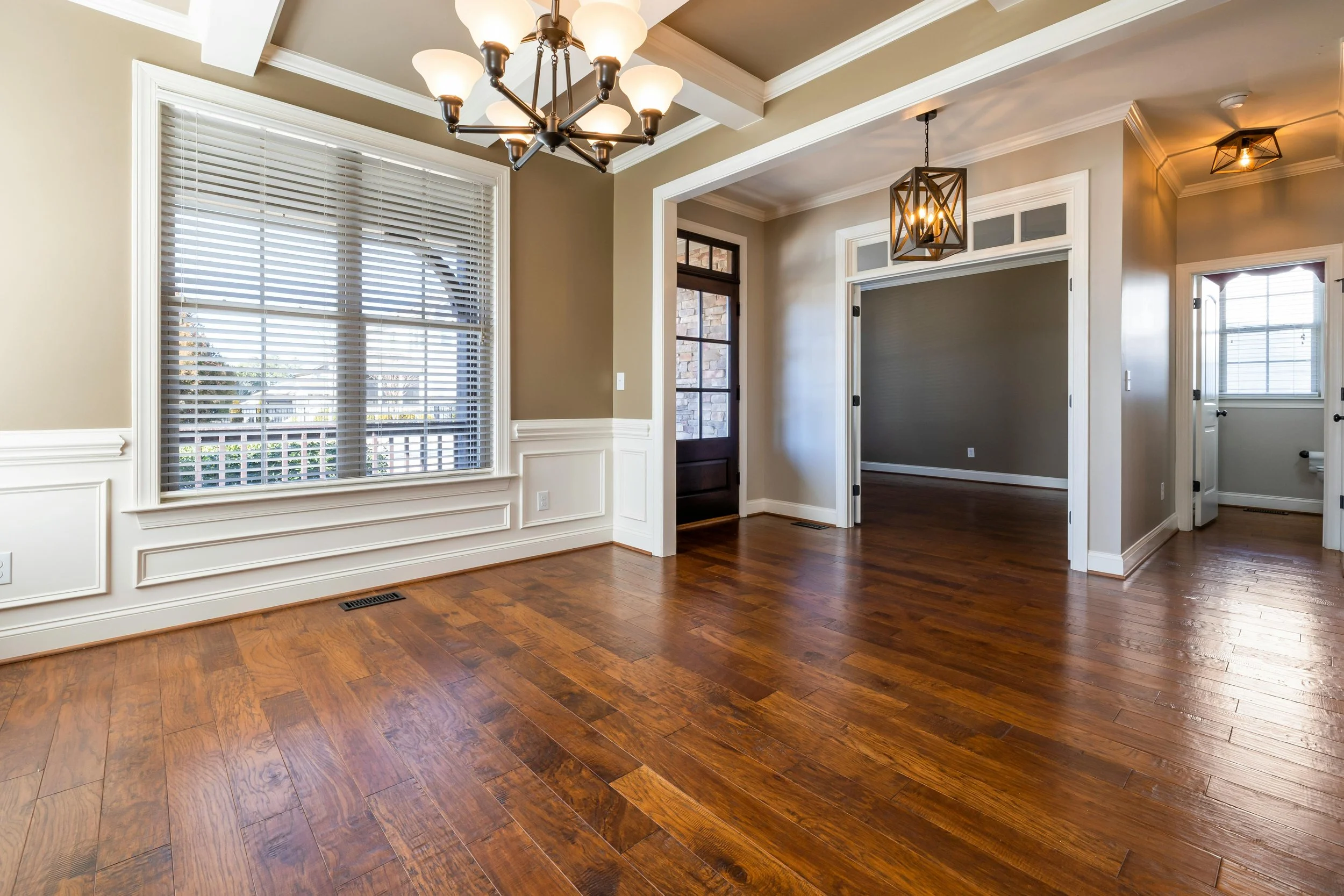
Buyers don’t see your decisions, they see the result
When a buyer walks into your home, they’re not thinking about:
What the renovation cost
How long you’ve owned the property
What each improvement took in time or effort
They’re comparing:
Layout vs other homes
Condition vs other listings
Price vs perceived value
Some improvements absolutely help that perception—updated kitchens, functional layouts, well-maintained systems.
But not every upgrade translates directly into higher value. Some things simply don’t move the needle the way homeowners expect.
Why this feels frustrating for homeowners
The disconnect comes from lived experience.
You don’t just see the home—you remember it.
You remember:
The remodels
The maintenance
The upgrades over time
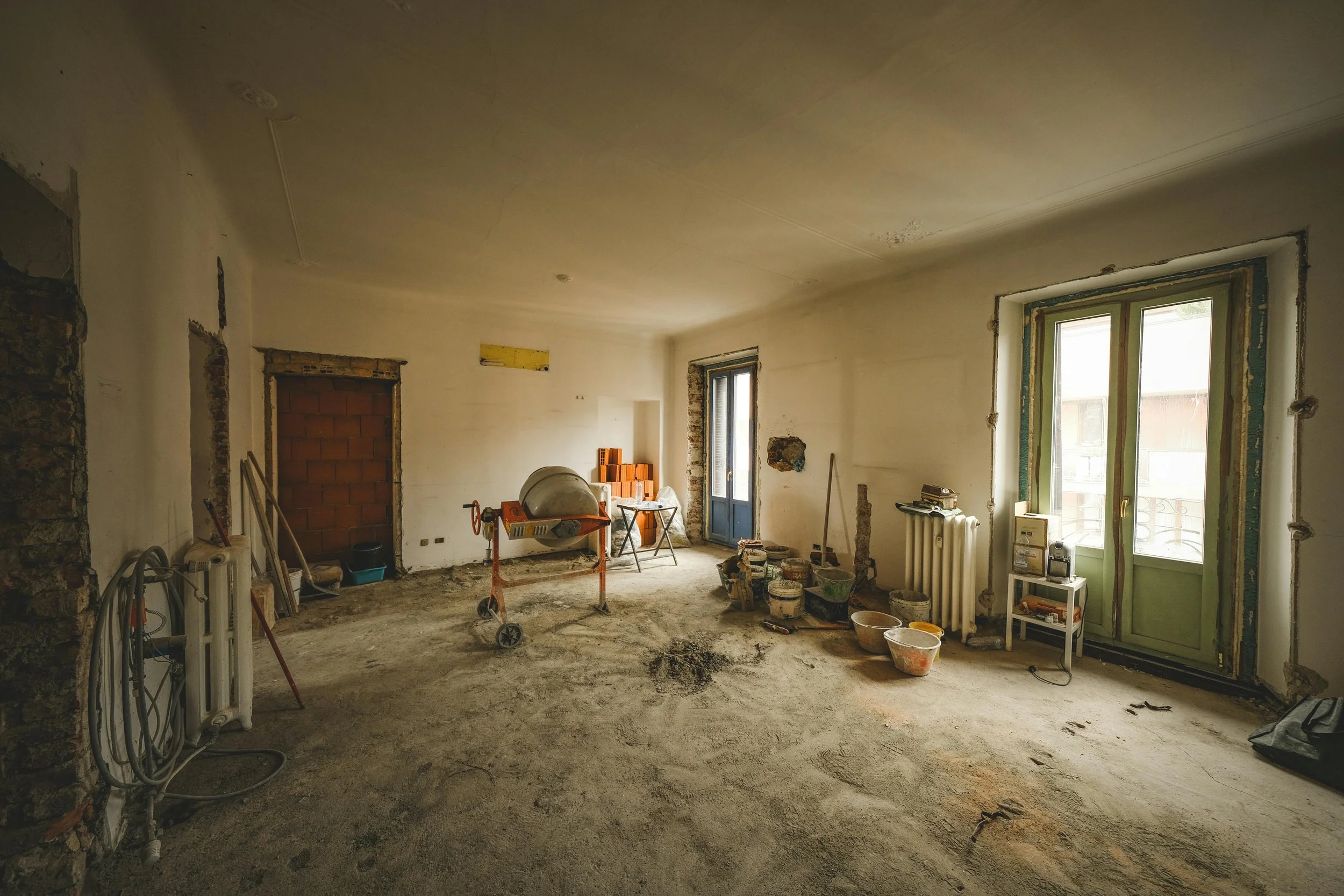
So it feels logical that those decisions should be reflected in the price.
But the buyer doesn’t carry that same emotional or financial history. They’re only responding to what is visible and relevant in the current market.
That gap is where expectations often diverge from reality.
That doesn’t mean the investment was wasted
This is where the conversation needs to stay balanced.
Not everything has to show up in resale value to matter.
Your home also functioned as:
A place you lived in
A space you improved for your lifestyle
An environment you shaped over time
That has real value—even if it doesn’t fully translate into price appreciation.
The real shift in thinking
At some point, it helps to separate two ideas:
What you invested into the home over time
How the home is positioned today in the market
Because pricing is almost entirely about the second one.
Homes don’t get valued based on effort. They get valued based on competition.
What actually drives value today
In most Seattle neighborhoods, value is shaped by:
Recent comparable sales
Condition relative to competing listings
Layout and livability in current demand
Buyer perception at the moment of sale
That means your home is constantly being measured against other options—not its own history.
Final thought
The most important shift for homeowners is this:
Stop asking what the home cost you over time.
Start asking how it compares to what a buyer could purchase instead.
Because that’s the only question the market is actually answering.
And once that’s clear, pricing becomes less emotional—and a lot more understandable.
