Why Your Career Already Prepared You for Real Estate Investing
A question that comes up a lot is:
Where is the best place to invest in Seattle real estate right now?
Most people expect a complicated answer.
Something technical. Competitive. Hard to access.
But in reality, some of the best opportunities are the ones people walk right past every day.
They’re the buildings you barely notice.
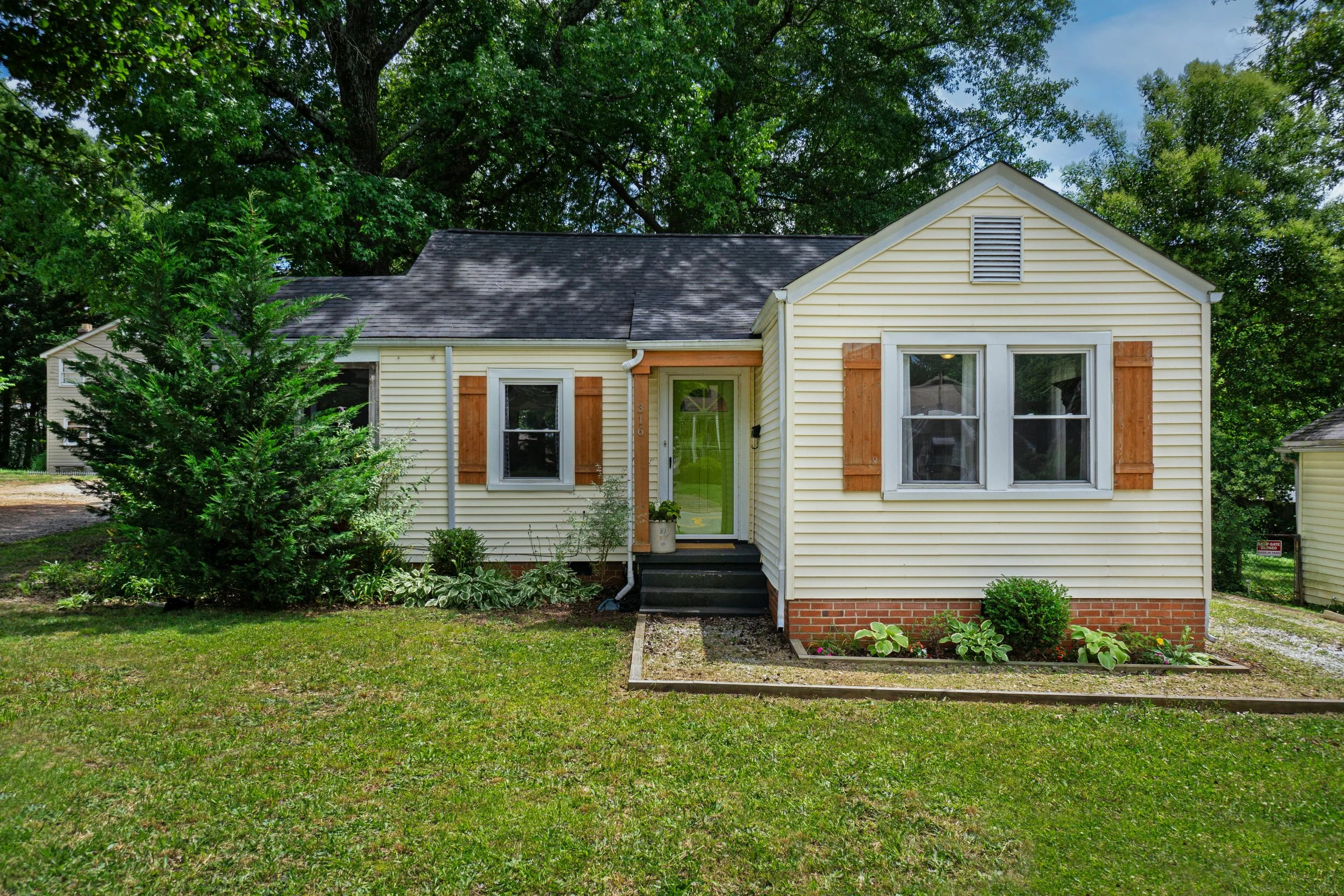
The small 4–8 unit apartment buildings built between 1960–1980.
You see them in neighborhoods like Ballard, Fremont, Magnolia, and Queen Anne.
They’re not particularly attractive.
They don’t photograph well.
They’re easy to overlook.
But they’re exactly the kind of asset your existing skillset is designed for.
This is already how you think at work
If you’re good at your job—whether that’s in tech, operations, finance, marketing, or management—you already know how to:
Evaluate performance
Spot inefficiencies
Work with incomplete information
Improve systems over time
That’s real estate investing.
Not guessing.
Not chasing trends.
Improving what already exists.
Why these buildings work
These older multi-family properties have a few characteristics that make them especially interesting:
They’re more livable than newer construction
Units tend to be larger, layouts are more practical, and tenants stay longer.
That creates steady demand and relatively low vacancy.
They’ve been held for years
Many are owned by long-term landlords who prioritized consistency over optimization.
Rents are often below market.
Finishes are dated but functional.
Management is stable—but not strategic.
That gap is where opportunity lives.
They’re operationally approachable
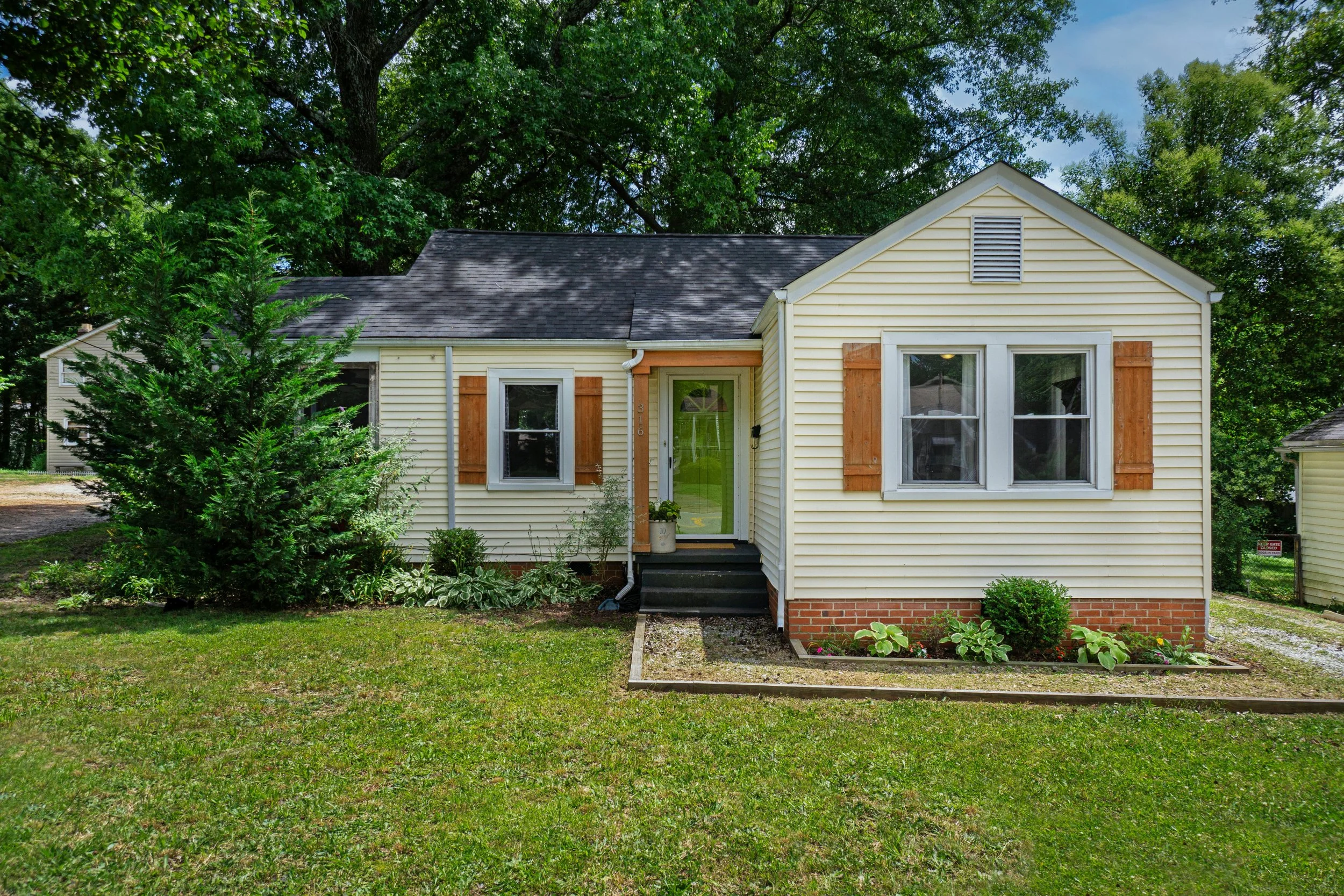
At 3,000–4,500 square feet, these buildings aren’t dramatically different from a large single-family home.
For someone stepping into investing, they’re a manageable next step—not a massive leap.

The real opportunity
The upside isn’t in buying something perfect.
It’s in buying something clear.
Clear where rents can improve.
Clear where operations can tighten.
Clear where small changes create measurable impact.
That’s not speculation—that’s execution.
And execution is something your career has already trained you to do.
Don’t overcomplicate the entry point
A lot of people hold back from real estate investing because they think they need to become someone else first.
More experienced.
More connected.
More specialized.
But in many cases, the skills you use every day are already enough.
You’re not starting from zero.
You’re just applying what you know in a different context.
And sometimes, the best place to start…
is the building everyone else ignored.