
Does your house fit your real daily life?
Are You Buying a Home for Your Real Life — Or an Idealized Version of It?
When people start looking for a home, the conversation usually focuses on features—square footage, number of bedrooms, open layouts, space to host.
But a more useful question tends to get overlooked:
What is your home actually designed to support?
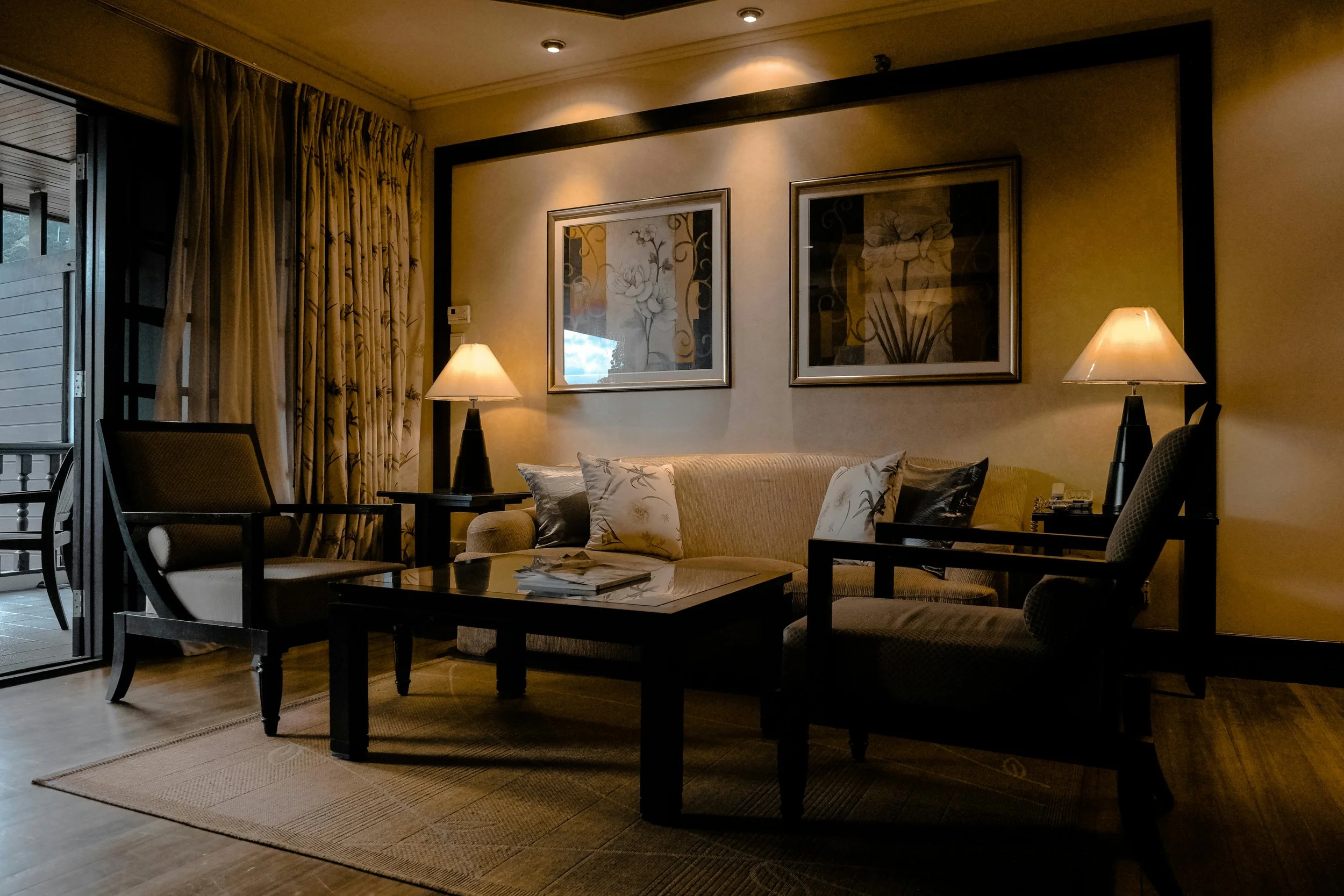
The Gap Between How We Imagine Living and How We Actually Live
A lot of buyers optimize for a version of life they picture.
They imagine hosting regularly.
Having people over often.
Using every room with intention.
And to be fair, those moments do happen.
But for most people, they’re occasional.
Day-to-day life looks different. It’s quieter and more routine—workdays, early mornings, weeknights, and familiar rhythms. When a home is designed primarily around entertaining or “someday” use, it can start to feel slightly out of sync with how life actually unfolds.
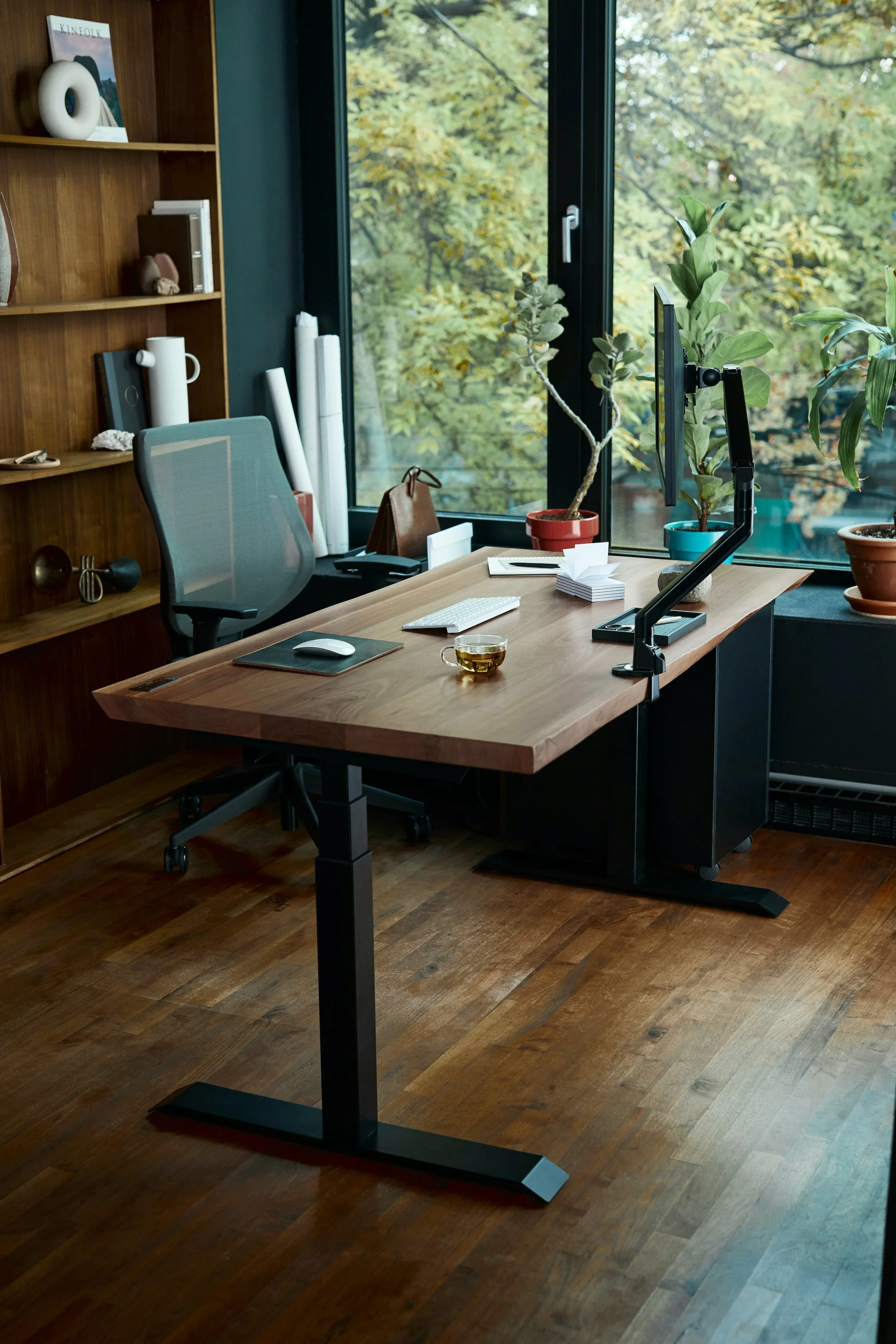
How Misaligned Home Design Creates Friction Over Time
This is where the tradeoffs start to show up.
When space, layout, and budget are allocated toward infrequent use cases, the result isn’t always obvious right away—but it builds over time:
Rooms that rarely get used
Layouts that don’t flow well for daily routines
Space that looks good on paper but feels inefficient in practice
It’s not that the home is “wrong.” It just isn’t optimized for the way you live most of the time.
What Problem Should Your Home Solve?
Instead of focusing only on features, it helps to reframe the decision:
What problem is this home solving for you?
For some people, that might be:
Convenience and shorter commutes
A sense of calm and separation from noise
Flexibility for changing routines
Proximity to work, school, or community
The right answer isn’t universal—it’s personal. But it should reflect your real patterns, not just your aspirations.
Buying a Home That Supports Your Daily Life
The goal of buying a home isn’t to match an idealized version of your lifestyle.
It’s to make your day-to-day easier.
When a home aligns with how you actually live, everything feels more natural—movement through the space, how you spend your time, even how you use each room.
And that alignment matters more than having the “perfect” setup for moments that only happen occasionally.

Final Thought
A well-chosen home doesn’t just look right on paper.
It works quietly in the background of your life—supporting your routines, reducing friction, and making everyday living feel more straightforward.
Before you optimize for entertaining or future possibilities, it’s worth asking:
Does this home support the life I’m actually living right now?
