
A common plan among long-term homeowners goes something like this:
Keep the property. Rent it out. Let the mortgage get paid down over time. Eventually, the debt disappears and the rent becomes income during retirement.
On paper, it's a compelling idea.
You already own the asset. The property has likely appreciated. Someone else is helping pay down the loan. Over enough time, it can feel like the property naturally evolves into a reliable income source.
For some homeowners, that's exactly what happens.
What often gets overlooked, however, is everything that occurs between today and the point where the property becomes the retirement asset they envision.
Why People Think This Way
The logic behind the strategy is reasonable.
Many long-term homeowners have experienced firsthand how powerful real estate ownership can be. They've watched property values increase, built substantial equity, and seen how time rewards patient ownership.
As a result, keeping a property often feels like the safest choice.
Selling can feel permanent. Holding the property preserves future options while creating the possibility of future income.
When people imagine retirement, they often focus on the end result: a paid-off property generating rent.
The challenge is that retirement may still be ten or fifteen years away.
And a lot happens during that period.
What's Actually Happening
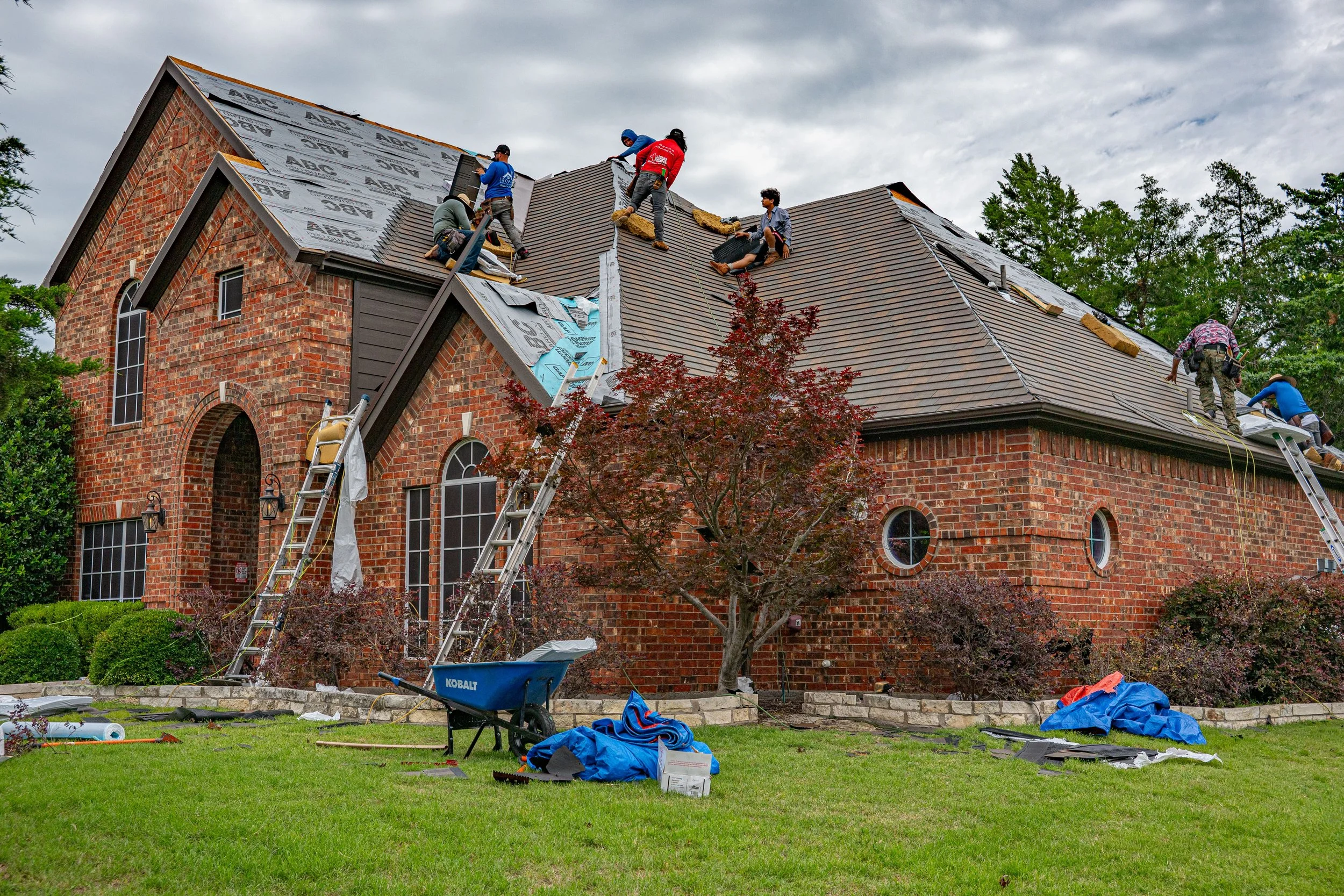
A rental property isn't simply waiting for retirement to arrive.
It's operating as an active asset the entire time.
Roofs age. Water heaters fail. Appliances wear out. Exterior paint eventually needs attention. Flooring gets replaced. Systems that have been reliable for years eventually require investment.
Those expenses aren't unusual. They're simply part of owning real estate.
Tenant turnover introduces another layer.
Even with excellent tenants, people move. Leases end. Units sit vacant. Repairs and cleaning need to be completed before the next tenant moves in. Rent levels need to be evaluated against the market.
None of these issues are necessarily problematic.
The important point is that they continue occurring regardless of how attractive the long-term retirement plan looks on paper.
When people describe rental income as passive, they're often describing the destination rather than the journey.
The Real Decision

The real decision is not whether a rental property might generate income during retirement.
The real decision is whether you want to own and manage that asset for the next decade or more.
Those are related questions, but they're not the same question.
Many homeowners spend considerable time evaluating future income projections while spending less time thinking about the years leading up to that outcome.
Will the property require additional capital?
Are you comfortable handling repairs and maintenance?
How do you feel about tenant management?
Would you prefer a more hands-off investment approach?
These questions become increasingly important because the holding period itself often represents the majority of the investment experience.
The retirement income may last years, but the work and responsibility that precede it matter just as much.
How It Plays Out Over Time
I've seen this decision work very well for some homeowners.
They understand the responsibilities involved. They maintain the property consistently. They budget for major repairs. They either enjoy managing the asset or have systems in place that make ownership relatively straightforward.
For them, the ongoing effort feels worthwhile because the property aligns with their financial goals and lifestyle preferences.
I've also seen situations where the projected retirement income looks attractive, but the ownership experience becomes increasingly frustrating.
The maintenance feels burdensome. Tenant turnover becomes stressful. Unexpected repairs arrive at inconvenient times. The property performs adequately from a financial standpoint, but the owner no longer enjoys being responsible for it.
In those cases, the challenge isn't usually the math.
It's the lifestyle fit.
When It Works and When It Doesn't
Holding a rental property for retirement tends to work best when both the financial and personal sides of the equation align.
The property needs to make sense economically, but the owner also needs to be comfortable with the responsibilities that come with long-term ownership.
Problems often arise when people focus exclusively on the future income while underestimating the time, effort, and capital required to reach that point.
A rental property can be a valuable retirement asset.
But it is rarely a completely passive one.
The years between now and retirement deserve as much attention as the retirement plan itself.
A Closing Perspective
When homeowners evaluate whether to keep a property as a rental, I think it's helpful to look beyond the eventual income stream.
The more important question is often whether the process of getting there fits the life they want to live.
For some people, the answer is clearly yes.
For others, the projected income is attractive, but the ongoing responsibility is not.
Neither conclusion is right or wrong.
The goal is simply to be honest about both sides of the tradeoff before deciding that holding the property is the automatic next step.
