
The Advantage Long-Term Homeowners Often Overlook
When people talk about successful homeownership, the conversation usually centers on strategy.
Buying in the right neighborhood. Renovating at the right time. Refinancing when rates drop. Making smart investment decisions.
Those things matter.
But one of the most powerful forces behind long-term homeownership is something much less exciting: patience.
Not because patience is inherently virtuous, but because of what it creates over time.
Many homeowners who have lived in the same house for ten, fifteen, twenty, or thirty years have accumulated something more valuable than they often realize. They haven't just built equity. They've built flexibility.
And that flexibility tends to create more options than people give themselves credit for.
Why People Don't Think About It This Way
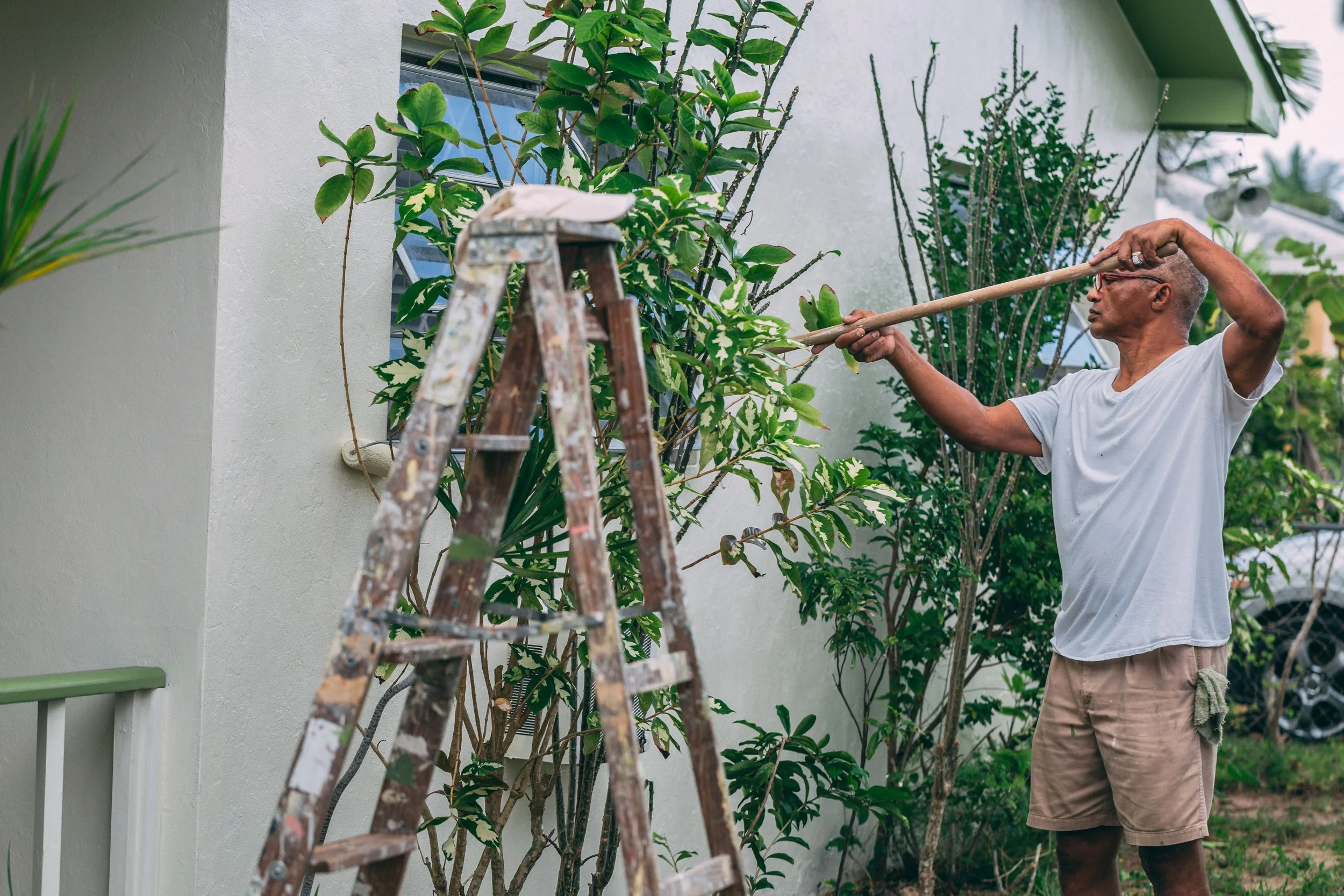
Most homeowners spend years focused on the responsibilities of ownership.
The mortgage payment arrives every month. Maintenance projects need attention. Unexpected repairs appear at inconvenient times. Property taxes increase. Roofs wear out. Appliances fail.
During those years, homeownership often feels more like a series of obligations than a source of opportunity.
As a result, many people underestimate what those years of ownership have actually produced.
They're so accustomed to seeing the house as something that requires their attention that they don't always stop to consider what the accumulated value of that ownership now allows them to do.
What's Actually Happening
Patience works slowly.
A homeowner stays through multiple market cycles. They continue making payments. They maintain the property. They make improvements when necessary. They absorb the normal challenges that come with owning a home.
Individually, none of those actions feels particularly significant.
Collectively, they can create substantial leverage over time.
The word leverage is often associated with borrowing money, but that's not how I mean it here.
I'm talking about life flexibility.
The homeowner who has built meaningful equity often has more choices available than they realize.
They can remain where they are.
They can move to a smaller home if maintaining a larger property no longer makes sense.
They can relocate to be closer to children or grandchildren.
They can use equity to support family members.
They can simplify their finances.
They can choose a different lifestyle altogether.
The specific option varies from person to person, but the important point is that the options exist.
The Real Decision

One pattern I notice among long-term homeowners is that they sometimes continue operating as though they have fewer choices than they actually do.
They become accustomed to the life they've built and stop periodically reevaluating what is possible.
That's understandable.
The house has been part of daily life for years. In many cases, decades.
But the circumstances that existed when they purchased the property are often very different from the circumstances they face today.
Children grow up.
Careers evolve.
Retirement approaches.
Family priorities shift.
The question eventually becomes less about maintaining the status quo and more about deciding which option best supports the next stage of life.
How It Plays Out Over Time
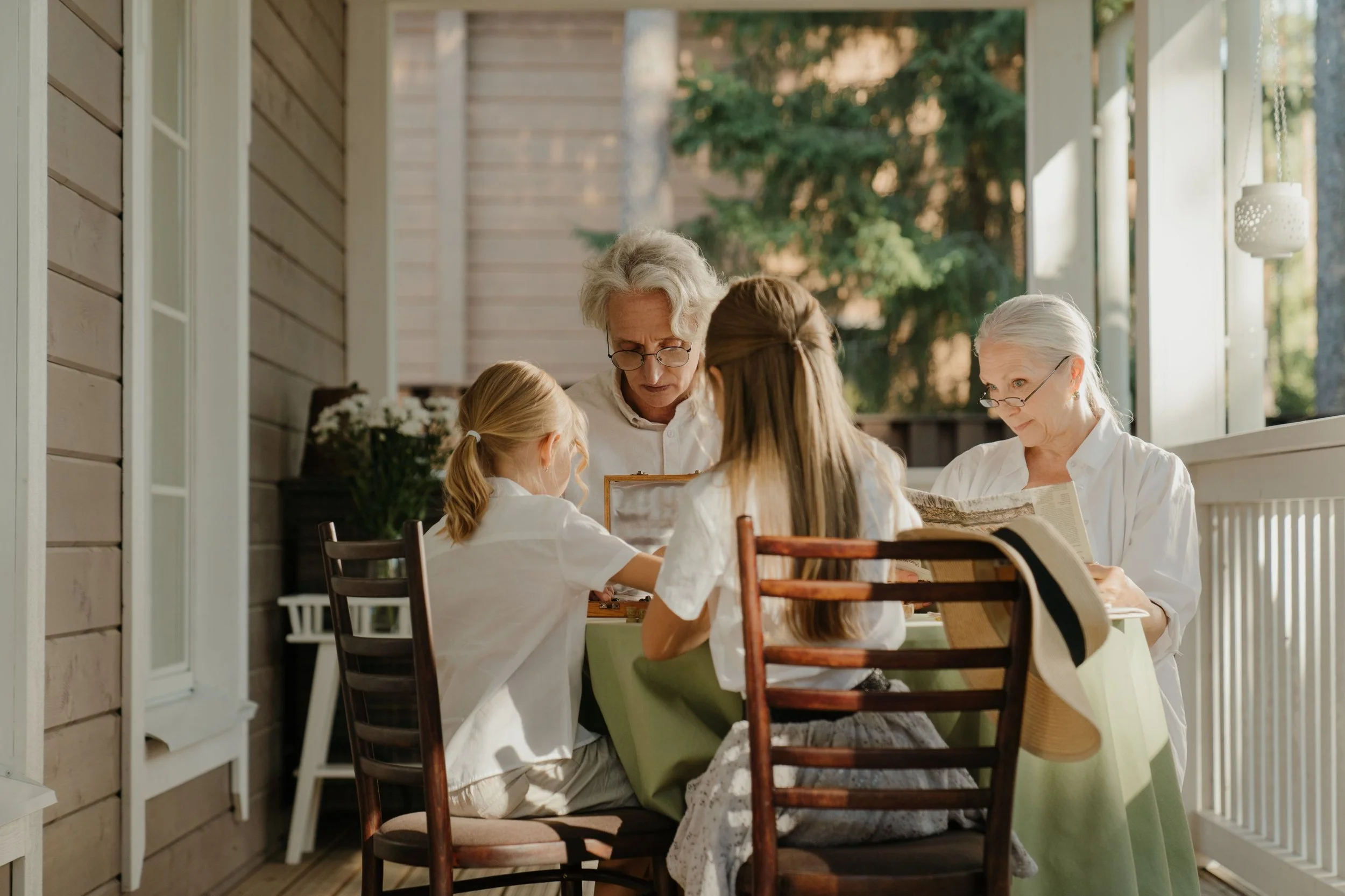
I've seen this pattern repeatedly with long-term homeowners.
Some decide to stay exactly where they are because the home continues to support the life they want.
Others realize that the house is larger than they need and choose to simplify.
Some use accumulated equity to purchase a different property that better aligns with their current priorities.
Others move closer to family or create financial flexibility that wasn't available earlier in life.
What stands out isn't that everyone makes the same decision.
It's that years of ownership often create the ability to make a decision at all.
The homeowners with the most flexibility are rarely the ones who perfectly timed the market.
More often, they're the people who stayed committed to ownership over a long period of time and allowed that patience to compound.
When It Works and When It Doesn't
Patience creates options, but only when homeowners periodically take stock of what those options are.
Some people become so focused on preserving what they've built that they never evaluate whether it still serves them.
Others assume that because they have equity, every possible move automatically makes sense.
Neither approach is particularly helpful.
The goal isn't simply to stay.
The goal isn't automatically to sell, either.
The goal is to understand what ownership has created and then make intentional decisions from that position.
That's where the real value of patience often shows up.
A Closing Perspective
One of the reasons I enjoy working with long-term homeowners is that they often possess more flexibility than they realize.
Years of mortgage payments, maintenance, and persistence may not feel remarkable while they're happening.
But over time, those efforts accumulate.
The result isn't just equity.
It's optionality.
And in many cases, having options is one of the most valuable assets a homeowner can have.
