
The World Cup's Real Impact on Seattle Real Estate May Not Be What People Expect
A lot of the discussion around the FIFA World Cup coming to Seattle focuses on the direct economic impact.
How many visitors will come. How much money they'll spend. What it means for hotels, restaurants, transportation, and local businesses.
Those are reasonable questions. Major events often generate measurable economic activity, and Seattle is expected to welcome hundreds of thousands of visitors during the tournament.
But when it comes to real estate, I think there may be a different story worth paying attention to.
Not spending.
Exposure.
Why People Focus on Economic Impact
Economic impact is easier to understand because it's immediate and measurable.
Cities can track hotel occupancy rates, restaurant revenue, airport traffic, and tourism spending. Analysts can estimate how much money enters the local economy during the event.
Those numbers create headlines because they provide a clear way to measure success.
Real estate, however, tends to work on a much longer timeline.
People rarely decide to move to a city because they saw a single event. Relocation decisions involve careers, family considerations, finances, lifestyle preferences, and timing.
That's why it can be easy to dismiss the World Cup's influence on housing demand altogether.
But that may overlook how many real estate decisions actually begin.
What's Actually Happening
Before someone researches neighborhoods, talks to a lender, or compares housing costs, there is usually a much simpler process taking place.
They're forming an impression.
An estimated 750,000 visitors will experience Seattle in person during the World Cup. Billions more will see the city through broadcasts, highlights, social media clips, and news coverage.
For many of those people, this may be their first meaningful exposure to Seattle.
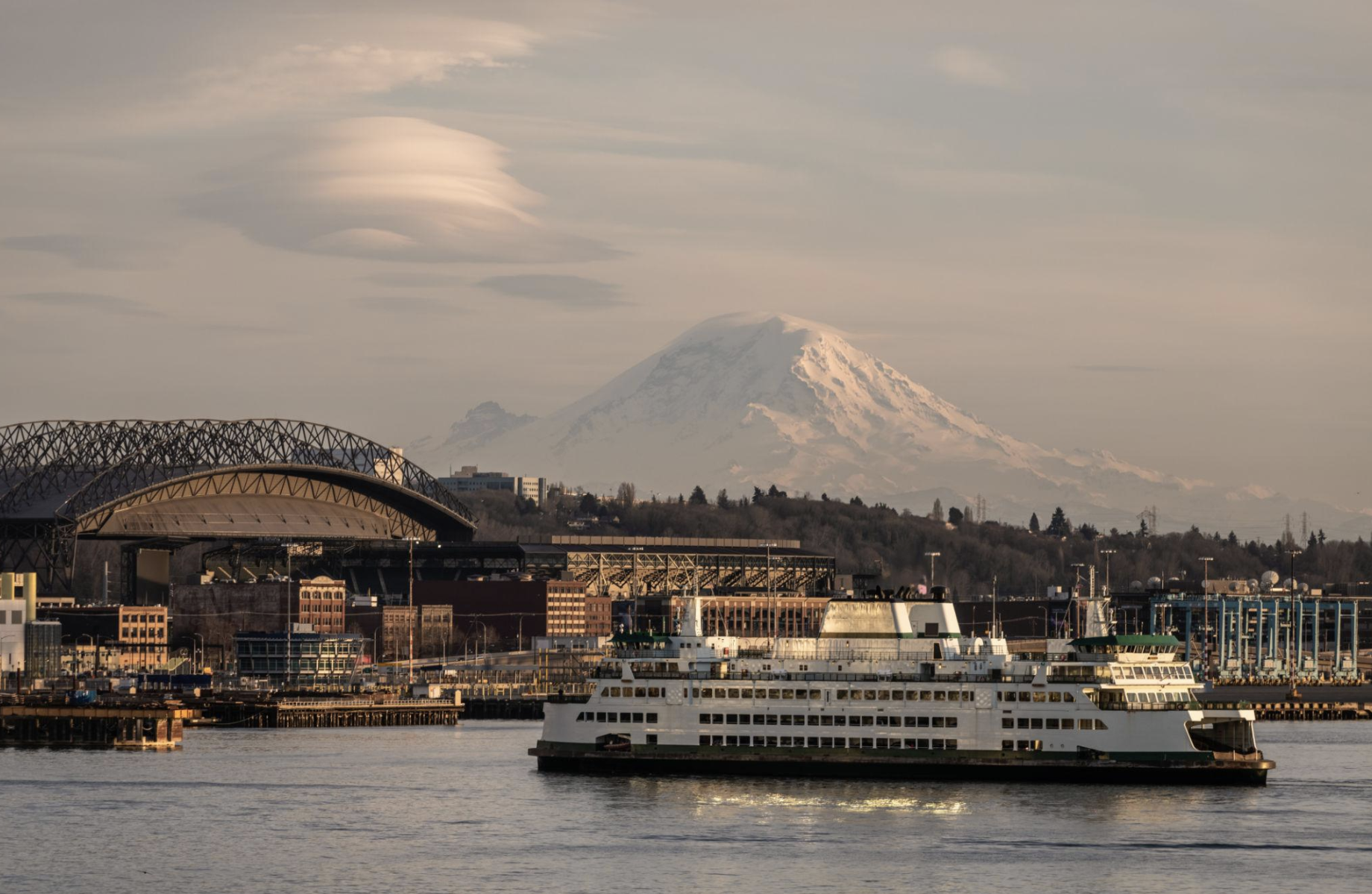
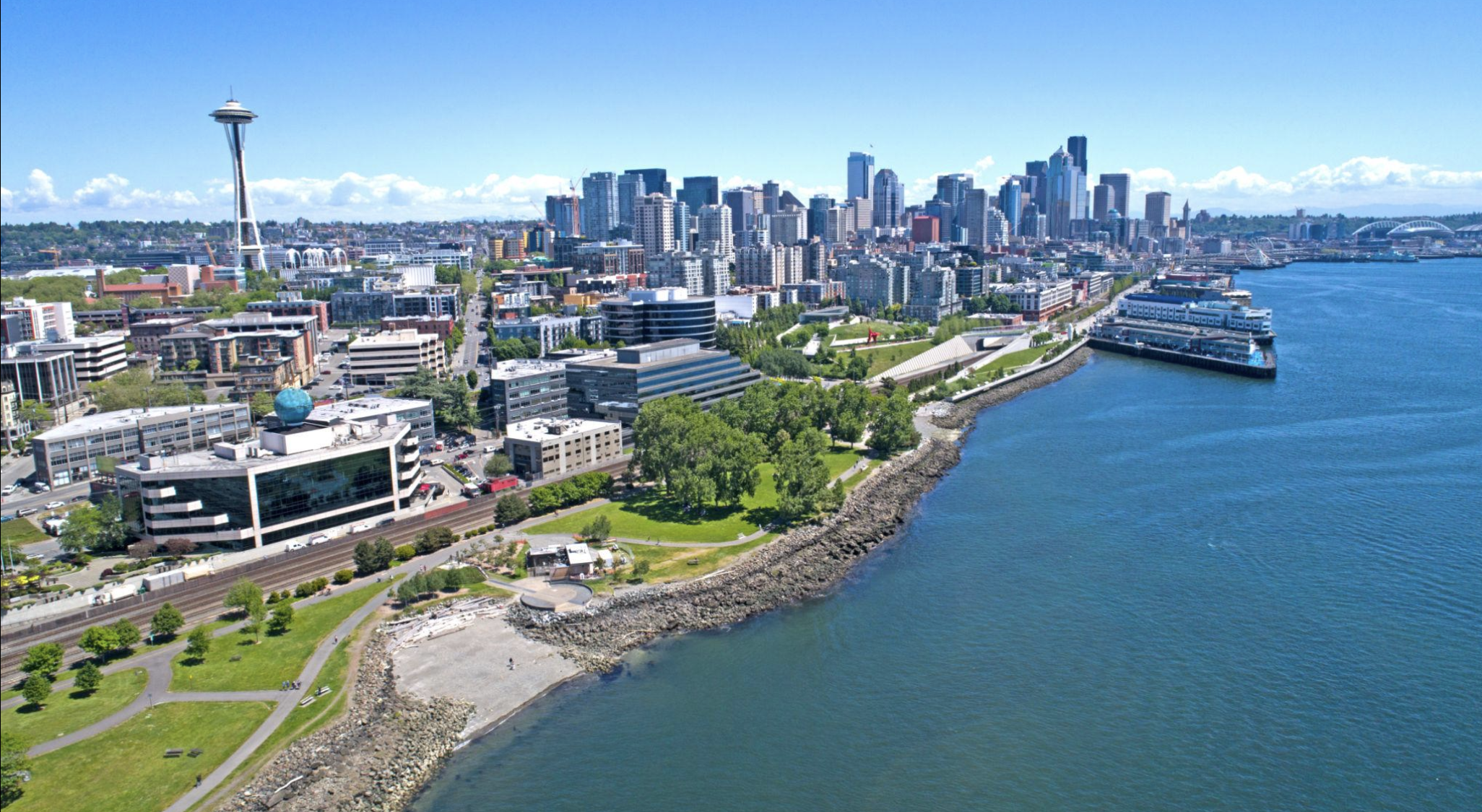
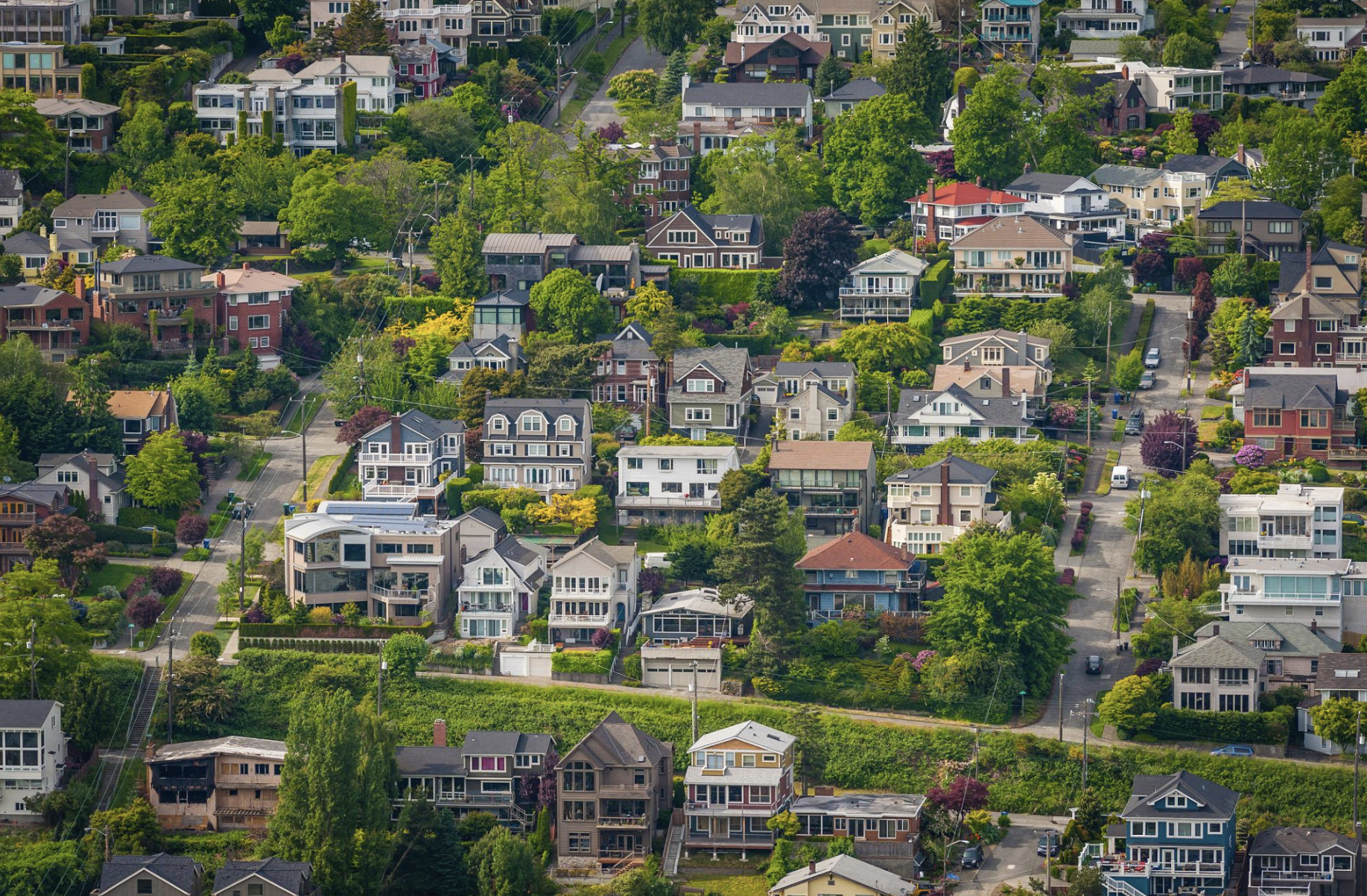
They'll see the skyline. They'll see the waterfront. They'll see the mountains in the background. They'll see ferries crossing Puget Sound and neighborhoods woven into a landscape that looks very different from much of the world.
None of that automatically creates housing demand.
But it does create awareness.
And awareness is often the first step in a much longer process.
The Real Decision
The real question isn't whether the World Cup will immediately increase home sales.
It probably won't.
The more useful question is whether increased visibility changes how people think about Seattle over time.
Real estate decisions often begin with curiosity rather than analysis.
Someone sees a city and starts asking a simple question:
"What would it be like to live there?"
That question may not lead anywhere. Most people who watch the World Cup will never move to Seattle.
But some will.
A software engineer considering a relocation opportunity. A remote worker exploring different cities. A family thinking about a future move. A recent graduate looking for a place with strong career prospects.
For those people, the first impression matters.
The World Cup creates an opportunity for Seattle to enter the conversation.
How It Plays Out Over Time
One pattern I've noticed in real estate is that demand often follows attention, but rarely immediately.
A neighborhood gets featured in a major publication. A city receives national recognition. A company announces a large expansion. A new transit connection changes accessibility.
The housing market doesn't respond overnight.
Instead, awareness grows first.
Then inquiries increase.
People start researching.
Some visit.
A smaller number eventually move.
The timeline can take months or even years.
That's why measuring the impact of an event like the World Cup is difficult. The effects, if they exist, may not appear during the tournament itself.
They may show up later in relocation trends, employer recruiting efforts, tourism patterns, or increased interest from people who had never seriously considered Seattle before.
When It Matters and When It Doesn't
Exposure alone isn't enough.
If a city lacks economic opportunity, housing options, infrastructure, or quality of life, attention fades quickly.
The World Cup can put Seattle in front of a global audience, but Seattle still has to make a compelling case for itself.
Fortunately, the city already has many of the ingredients people look for when considering a move.
A strong technology sector. Access to nature. Major employers. Educational opportunities. Waterfront living. Diverse neighborhoods. International connectivity.
Those advantages existed before the World Cup and will remain afterward.
The event simply gives Seattle a larger stage on which to showcase them.
A Different Way to Think About the World Cup
The economic impact of the World Cup will receive most of the attention because it's easier to count.
But real estate often begins with something much harder to measure.
Interest.
Curiosity.
A positive first impression.
The World Cup won't create an immediate wave of homebuyers. That's not how housing markets work.
What it may do is introduce Seattle to millions of people who have never seriously thought about living here before.
And in real estate, attention doesn't automatically create demand.
But demand almost always starts with attention.
