
Should You Renovate or Refresh Before Selling Your Home?
When homeowners start preparing to sell, one of the first questions that comes up is whether they should renovate before listing.
The assumption is understandable. If buyers are willing to pay more for updated homes, then investing in a new kitchen, remodeled bathrooms, or major upgrades should lead to a higher sale price.
Sometimes that is true.
But for most long-term homeowners, a full renovation is not the decision they are actually facing.
More often, the better question is whether the home needs a renovation at all, or simply a refresh.
Why People Think Renovation Is the Answer
Part of the confusion comes from how often we see investors renovate properties.
When investors purchase a home, the goal is often to reposition the asset. They may be taking a property that has been neglected or outdated for years and transforming it into something that appeals to an entirely different group of buyers.
In that situation, major renovations can make sense.
Homeowners preparing to sell often see those examples and assume they should approach their own property the same way.
The challenge is that their goals are usually very different.
Most homeowners are not trying to reinvent the property. They are trying to present it in the best possible light for today's market.
Those are not the same thing.
What's Actually Happening
In many homes, years of living create small issues that owners gradually stop noticing.
Paint becomes worn. Landscaping becomes overgrown. Flooring shows its age. Closets and storage areas become crowded. Furniture arrangements reflect the current owner's lifestyle rather than helping a buyer understand the space.
None of these things necessarily require a major remodel.
Yet they can have a significant impact on how a home feels when buyers walk through it.
When buyers tour a property, they are trying to imagine themselves living there. Anything that creates distraction or makes the home feel neglected can make that process more difficult.
That is why relatively simple improvements often have an outsized impact.
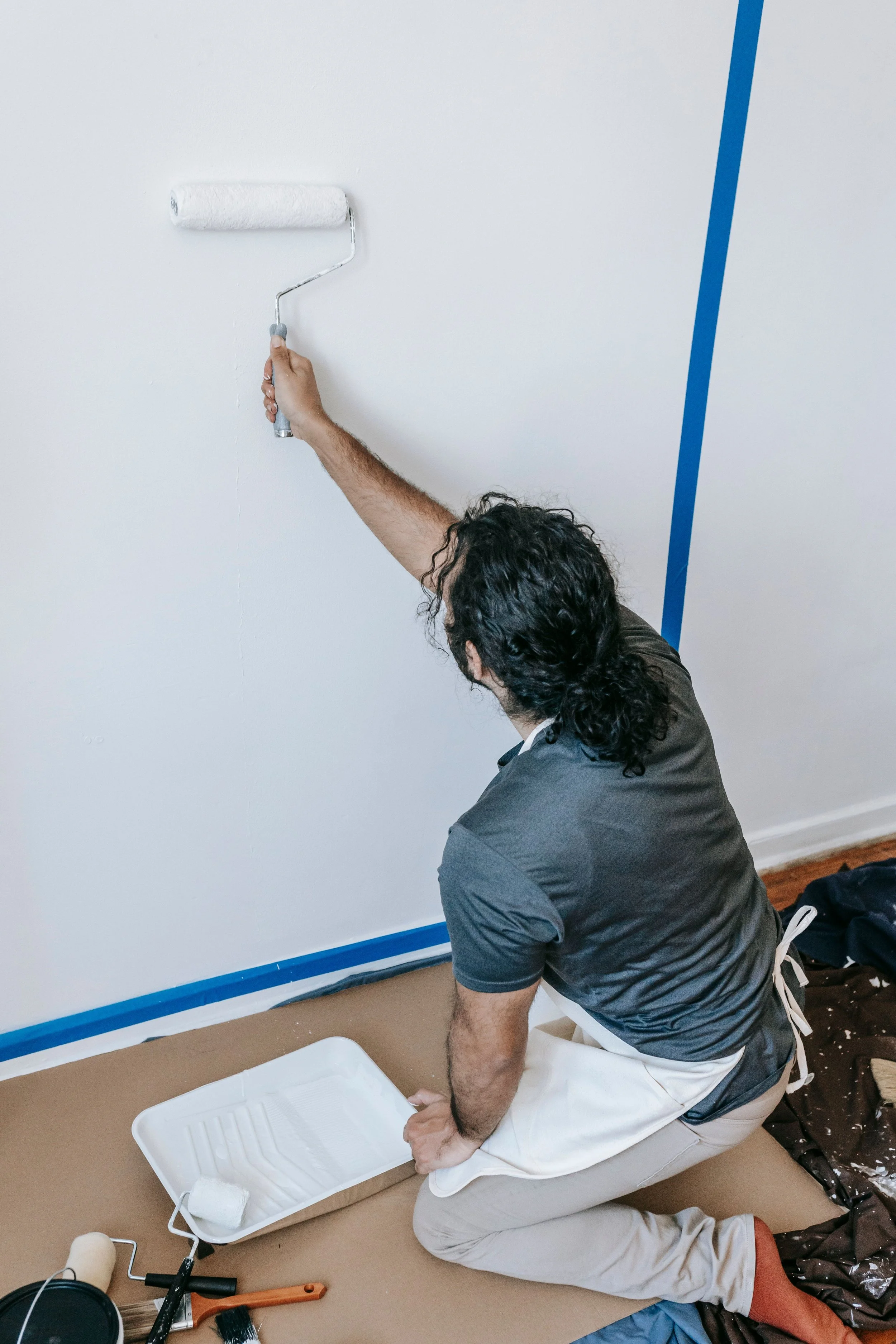
Fresh paint can make a home feel cleaner and brighter. Updated flooring can change the feel of an entire room. Basic landscaping can dramatically improve first impressions. Decluttering can make spaces feel larger and more functional.
These are not exciting projects, but they are often the projects that matter most.
The Real Decision
For most sellers, the decision is not whether they should spend money on the home.
The real decision is where that money will create the greatest impact.
A full kitchen remodel might cost tens of thousands of dollars and take months to complete. A bathroom renovation can create similar challenges.
Those projects can certainly improve a home, but they do not always produce a return that justifies the cost, risk, and disruption involved.
A targeted refresh, on the other hand, often addresses the things buyers notice first while requiring far less time and capital.
The goal is not perfection.
The goal is making the home feel cared for, well-maintained, and easy to understand.
How It Plays Out Over Time
One pattern I see repeatedly is that homeowners tend to overestimate how much buyers care about certain upgrades and underestimate how much buyers respond to overall presentation.
A home with an older kitchen that feels clean, bright, and well-maintained will often perform better than sellers expect.
Meanwhile, homeowners sometimes spend significant money renovating features that buyers would have happily lived with or customized themselves after moving in.
The projects that consistently create value are often the less glamorous ones.
Fresh paint.
Clean flooring.
Improved lighting.
Basic landscaping.
Removing excess furniture and personal items.
These improvements help buyers focus on the home itself rather than the work they think they need to do.
When It Works and When It Doesn't
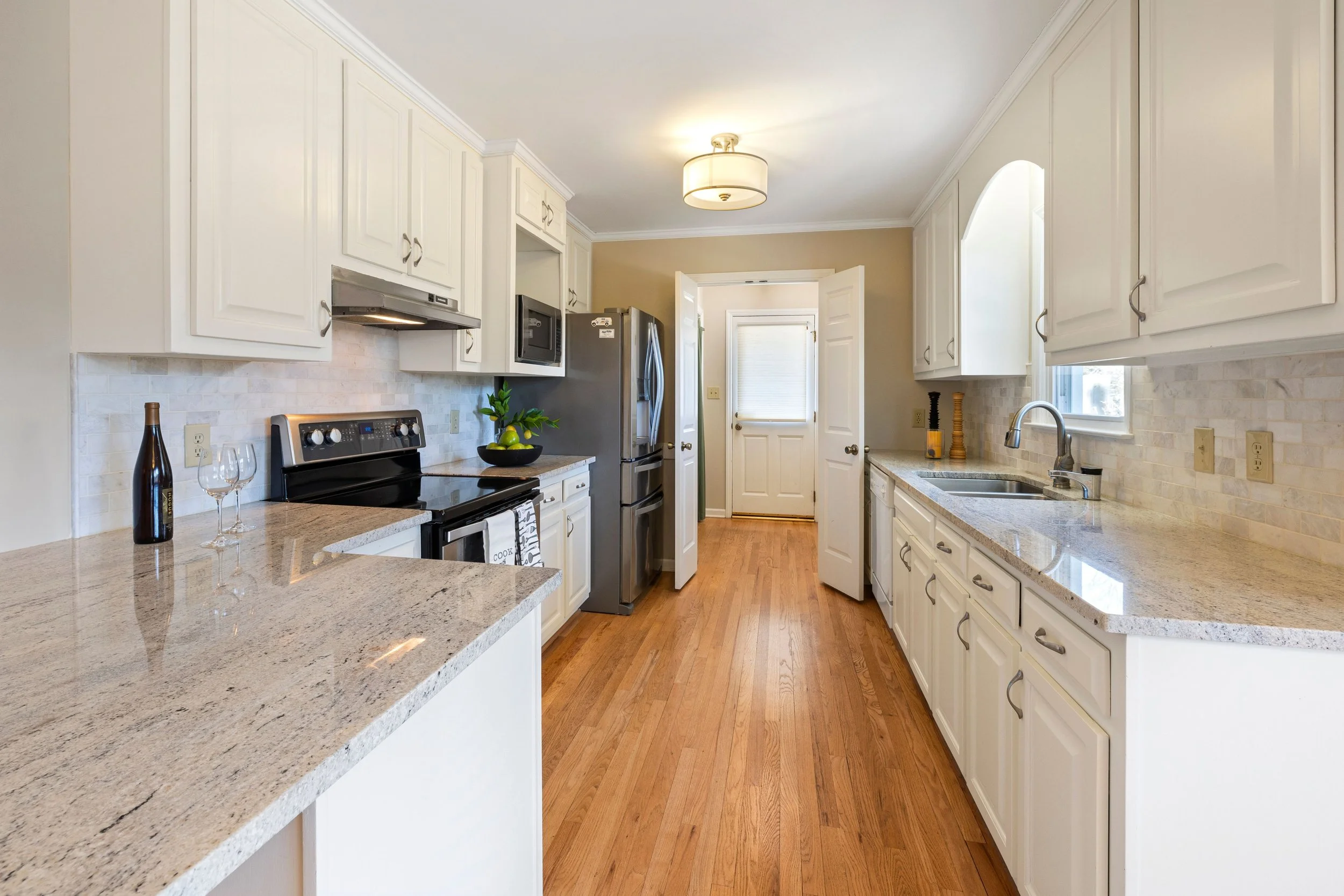
A refresh tends to work well when the home has been maintained over time and simply needs help presenting itself to today's buyers.
That is the situation many long-term homeowners find themselves in.
The home may not be brand new, but it is functional, cared for, and fundamentally appealing.
Major renovations become more appropriate when there are significant deferred maintenance issues, severe functional problems, or conditions that would limit buyer interest regardless of presentation.
Those situations certainly exist, but they are less common than many sellers assume.
Most of the time, buyers are not expecting a perfectly renovated home.
They are looking for a home that feels clean, well-maintained, and ready for its next chapter.
Closing Perspective
Preparing a home for sale is not always about making it newer.
More often, it is about making it easier for buyers to see its value.
For many homeowners, that means focusing on thoughtful improvements rather than major renovations. A well-executed refresh can highlight the strengths that already exist, reduce distractions, and help buyers imagine their own future in the home.
That is often a more efficient path than trying to make the property feel brand new.
