
Why Operations Professionals Often Succeed in Real Estate Investing
A lot of professionals assume that successful real estate investors are experts in construction, finance, or property management.
That assumption makes sense. Real estate involves buildings, tenants, repairs, leases, and financing. If you have never owned an investment property before, it is easy to look at all of those moving pieces and conclude that you lack the necessary expertise.
What I have found, however, is that many of the skills that create successful real estate investors have very little to do with real estate itself.
In many cases, they are operations skills.

Why People Think Real Estate Expertise Is the Missing Piece
When professionals first consider investing in real estate, their attention often goes to what they do not know.
They may not understand electrical systems. They may have never coordinated a roof replacement. They may not know how to screen tenants or negotiate a lease.
Because those gaps are visible, they can feel significant.
What often gets overlooked is that many of those functions can be outsourced. Contractors can handle repairs. Property managers can handle leasing and tenant communication. Lenders can help structure financing.
The question is not whether you personally know how to perform every task. The question is whether the property is being run effectively over time.
That is where operations experience becomes surprisingly valuable.
What Is Actually Driving Results
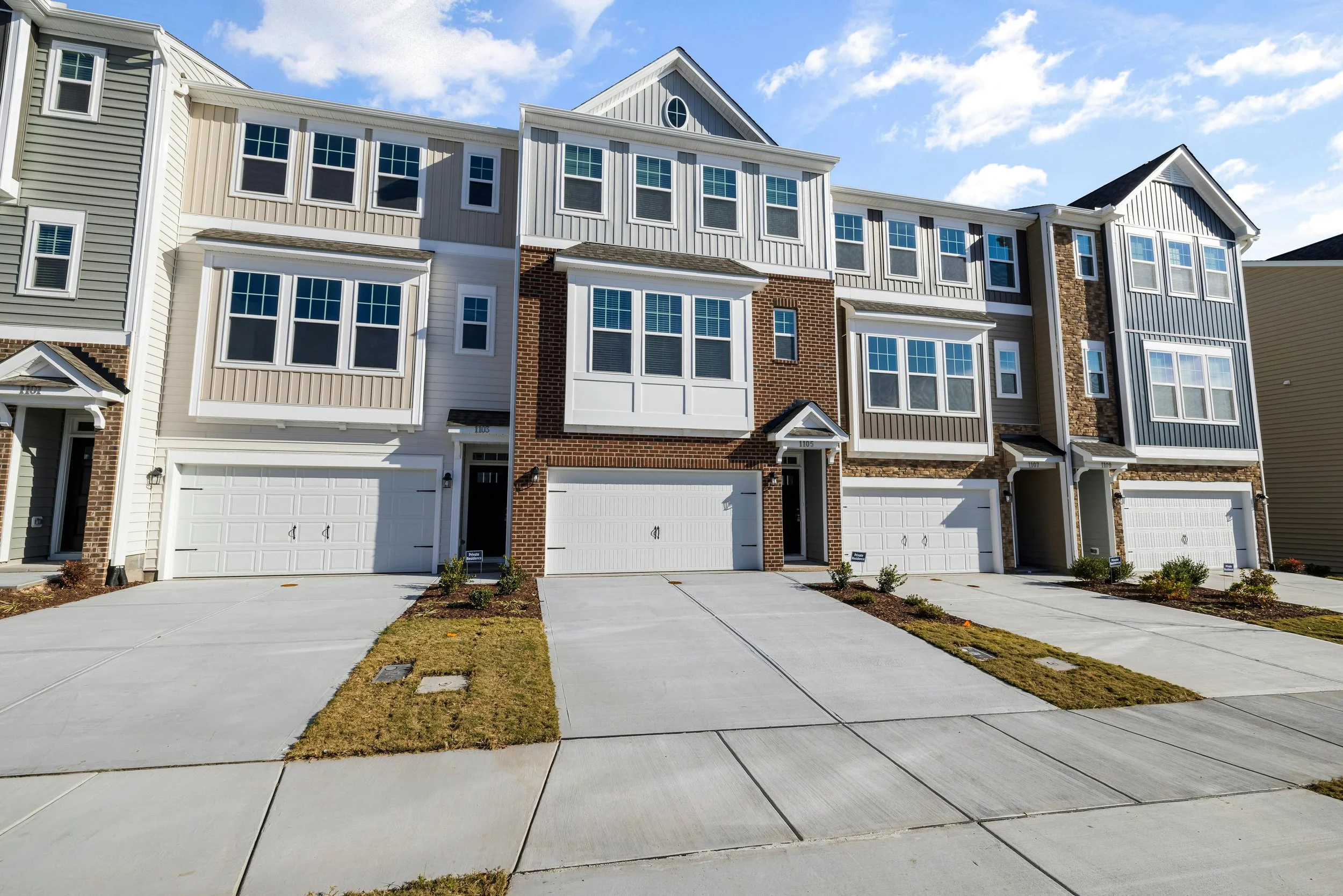
Consider a small apartment building with four to eight units.
Many people imagine that the performance of that property depends primarily on real estate expertise. In reality, owning a small multifamily property is often an operations problem.
The owner needs systems for collecting rent, tracking expenses, managing maintenance requests, coordinating vendors, monitoring performance, planning capital improvements, and making decisions based on reliable information.
None of that is particularly glamorous.
It is also where a significant amount of value is created.
Properties that perform well over long periods are often owned by people who consistently execute the basics. They stay organized. They follow up. They maintain accurate records. They address small problems before they become large ones.
The difference between an average investment and a strong one is frequently less about finding a secret opportunity and more about managing ordinary responsibilities well.
The Real Decision
For many professionals, the decision is not whether they can become experts in buildings.
The decision is whether they are willing to apply the same discipline they use in their careers to an investment property.
Operations managers, program managers, project managers, and professionals who run teams often spend their days creating structure around complex systems. They build processes, establish accountability, track performance, and improve outcomes over time.
Those same habits translate remarkably well to real estate ownership.
The property itself becomes another system that requires attention, organization, and continuous improvement.
How It Plays Out Over Time
One pattern I see repeatedly is that highly organized owners tend to outperform less organized owners even when they purchase similar properties.
The reason is rarely a dramatic decision.
Instead, the advantage compounds through dozens of small actions.
Maintenance gets scheduled before issues escalate. Rent adjustments are reviewed consistently. Vendor relationships are managed thoughtfully. Expenses are tracked carefully. Capital projects are planned rather than rushed.
None of those decisions are particularly exciting on their own.
Together, they can have a meaningful impact on the long-term performance of an investment.
Over a period of years, disciplined execution often produces better results than occasional flashes of expertise.
When It Works and When It Doesn't
Operations-oriented professionals tend to do well in real estate investing when they recognize that the investment is an ongoing business rather than a passive asset.
They understand that systems matter. They are comfortable creating processes and refining them over time. They are willing to make incremental improvements rather than searching for shortcuts.
The approach becomes more difficult when investors underestimate the importance of consistency. Strong operational skills only create value when they are actually applied. Buying a property and ignoring it rarely leads to exceptional outcomes.
It is also important to recognize that operations skills do not eliminate the need for outside expertise. Successful investors still rely on contractors, lenders, accountants, and other specialists. The difference is that they tend to coordinate those resources effectively.

Closing Perspective
Real estate investing is often portrayed as a specialized skill reserved for people with deep industry knowledge.
There is certainly value in understanding the real estate business. But many of the most important drivers of success are less specialized than people assume.
Owning investment property is frequently an exercise in organization, follow-through, and steady improvement over time. For professionals who already spend their careers building systems and managing complexity, those skills may be more transferable than they realize.
