
Can Your Primary Home Be an Investment Too?
A lot of people want their home to do two things at the same time.
They want it to be a comfortable place to live today while also becoming a strong financial asset over time.
And sometimes, those goals align.
But not every house is designed to maximize financial upside. If that’s the goal, it helps to be honest about what that usually requires.
The Homes With the Most Upside Are Rarely the Most Comfortable on Day One
One question I often come back to is this:
Are you willing to live in the worst house on the best street you can find?
That’s traditionally where a lot of appreciation and opportunity comes from.
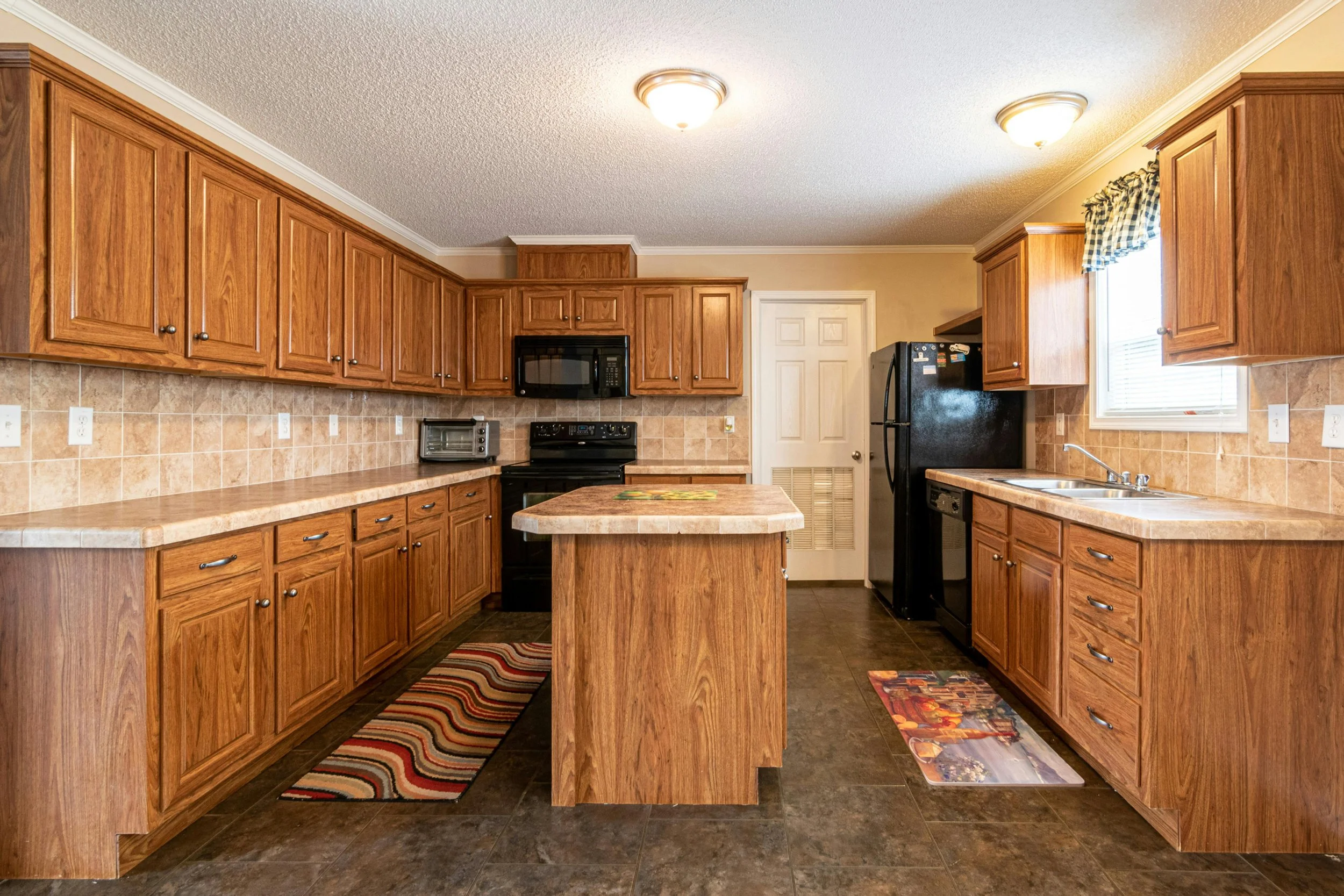
The homes with the most upside are often the ones that:
need cosmetic work,
feel slightly outdated,
have awkward layouts,
or are the homes most buyers pass on initially.
That discomfort is usually part of the opportunity.
A Lot of Buyers Like the Idea of Upside More Than the Reality
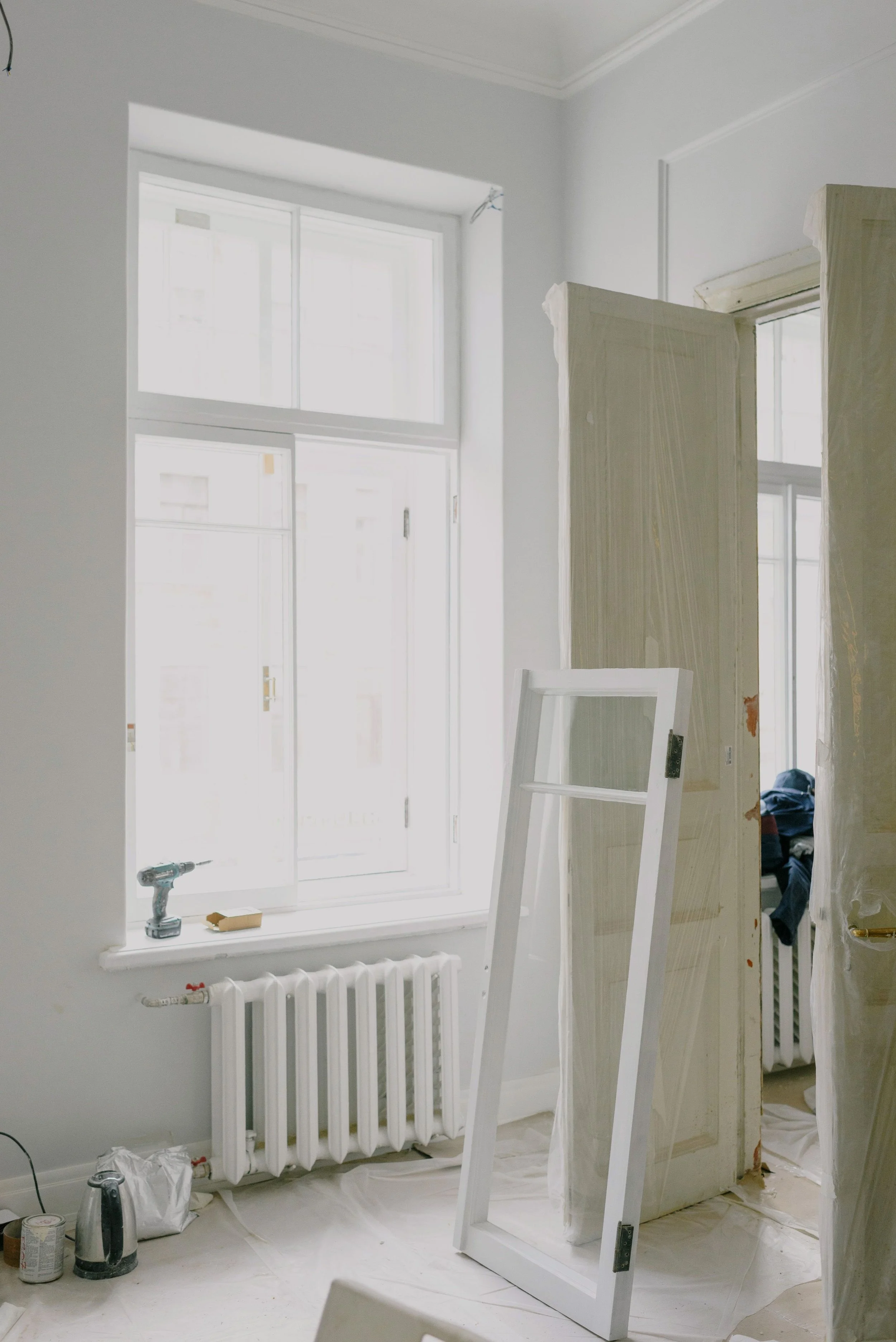
People often say they want a house with “potential.”
But living through that process is different than imagining it.
Choosing a home with upside can mean:
delaying renovations,
living with imperfections,
giving up convenience,
or spending time and money improving the property slowly over time.
For a while, the house may not fully reflect the version of life you picture for yourself.
You might not love hosting yet.
You may feel like the project is unfinished.
And compared to fully renovated homes nearby, yours may feel less polished for several years.
That tradeoff is real.
Opportunity Still Exists in Seattle
There are still neighborhoods across Seattle where older homes meet new demand, and where thoughtful buyers can create value over time.
I still see this strategy work, especially when buyers are willing to:
prioritize location over finishes,
think long term,
and gradually improve a property instead of expecting perfection immediately.
But it usually requires patience and a willingness to lean into some discomfort early on.

Your Home Doesn’t Have to Solve Every Problem
This is also where a lot of buyers gain clarity.
Not everyone wants their primary residence to function as an investment project.
Some people want stability.
Some want convenience.
Some want beauty and ease right away.
Some want a home optimized for family life, commute, or lifestyle.
Those are all valid goals.
The important thing is understanding what problem you actually want your home to solve.
Final Thought
A primary residence can absolutely become a strong financial asset over time.
But the homes with the most upside are often the homes other buyers avoided because they required patience, vision, and compromise.
If that resonates with you, there may still be real opportunity in today’s market.
And if it doesn’t, that’s useful clarity too. It probably just means you want your home to solve a different problem.
