
Will Seattle Housing Demand Slow If Tech Job Growth Slows?
If tech hiring slows in Seattle, does demand for housing slow with it?
Short answer: Decision-making may slow. Fundamental demand does not.
This question keeps surfacing as I read through the One Seattle Plan, the city's long-term growth and housing blueprint. The plan attempts something meaningful: allowing more middle housing across traditionally single-family neighborhoods.
The policy shift is substantial. The timing feels less certain.
Let's unpack both.
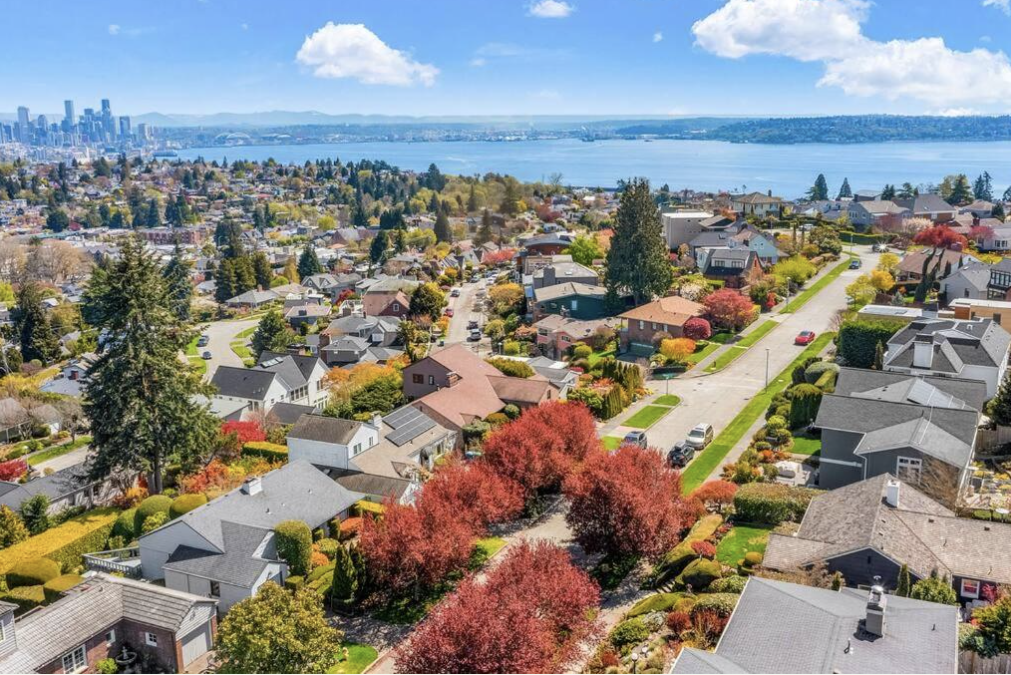
Magnolia Neighborhood
What Is "Middle Housing" in Seattle?
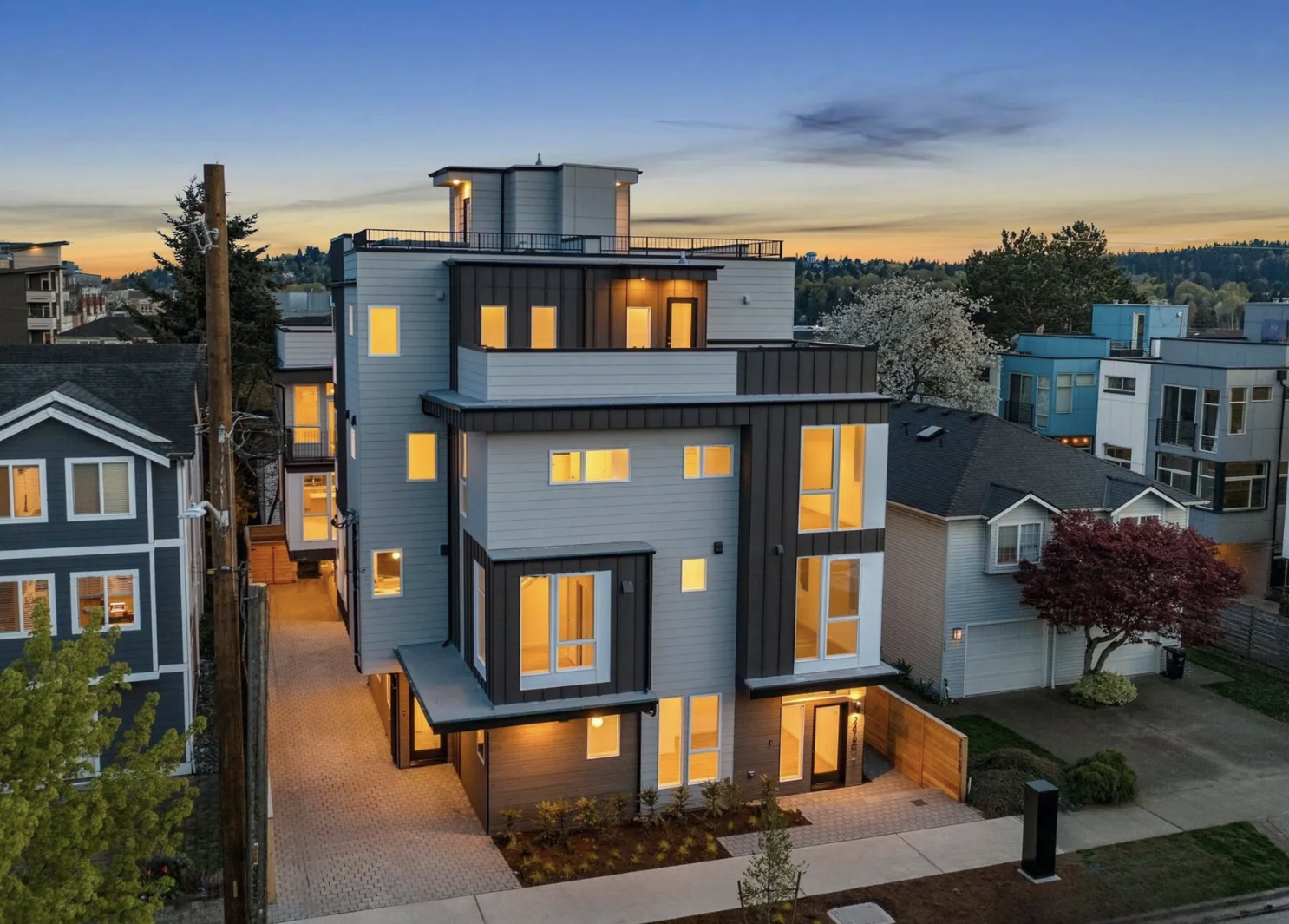
"Middle housing" refers to small-scale, multi-unit housing types that sit between detached single-family homes and large apartment buildings.
Think townhomes, duplexes and triplexes, cottage courts, and small courtyard developments.
In neighborhoods like Magnolia, Queen Anne, Ballard, and Wallingford, we're seeing single lots transformed into three or four well-designed homes.
This is the housing that many first-time and move-up buyers actually want: ownership, scale, and neighborhood character without the price tag of a large detached home.
Did Seattle Underbuild During the Last Tech Boom?
Yes.
Over the past decade, rapid hiring at companies like Microsoft and Amazon outpaced housing production. Job growth moved quickly. Housing supply did not.
When supply lags demand, prices respond predictably. Seattle saw steep appreciation across core neighborhoods, especially in areas close to employment centers and transit corridors.
The One Seattle Plan attempts to address that structural imbalance by increasing housing flexibility across residential zones.
From a planning standpoint, it makes sense. From a timing standpoint, we're now in a different tech cycle.
What Happens When Tech Feels Uncertain?
When employees feel uncertain about hiring cycles, stock volatility, or organizational restructuring, they do not suddenly abandon the idea of homeownership.
They pause.
Anxiety affects timing, not aspiration.
We saw this clearly in 2025. Transaction volume slowed. Buyers took longer to decide. Homes sat on the market longer. But demand did not disappear.
People still wanted to move out of apartments, build equity instead of paying rent, own in stable, high-quality neighborhoods, and gain control over their living environment.
Uncertainty changes tempo. It rarely changes long-term preferences.
What I've Been Seeing on the Ground in Magnolia
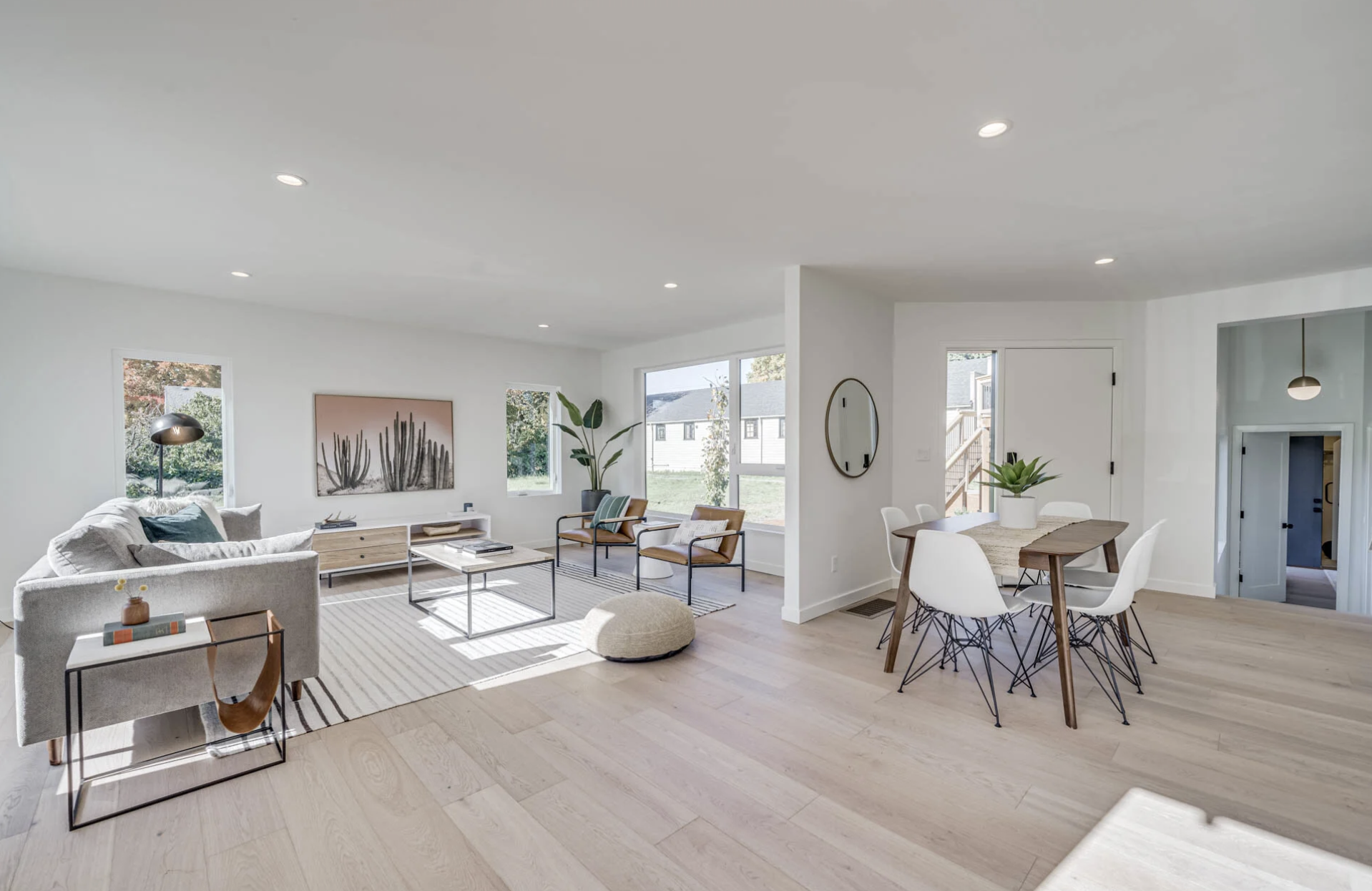
I've been touring a number of middle housing developments in Magnolia recently. Honestly, I really like what I’m seeing, and I’m not easily impressed!
Here is what separates good build/ design from average new construction:
Smart Use of Space
No wasted square footage. Circulation makes sense. Rooms feel intentional.
Cohesive Design
The smallest cottage unit does not feel like the leftover piece. It is integrated into the design language of the larger homes.
Natural Light
Windows are placed strategically. Sight lines that open up the interiors.
Finish Quality
The smallest unit receives the same quality cabinetry, flooring, and fixtures as the larger homes.
Location That Holds Value
Magnolia remains one of Seattle's most stable residential enclaves—proximity to downtown, water access, and established community identity matter. Magnolia is certainly not the only strong neighborhood in Seattle. Ballard, Wallingford, Queen Anne, Madison Park, Montlake are others where this lesson still fits.
In a slower market, quality matters more. Buyers are not rushing. They are discerning. That is healthy.
Will Middle Housing Find Demand Right Now?
I believe it will, for three reasons.
Structural demand still exists. Seattle remains supply-constrained relative to long-term population growth.
Ownership preference is durable. Even in uncertain tech cycles, the desire to own rather than rent persists.
Core neighborhoods retain value. Well-located properties in neighborhoods with strong identities tend to stabilize faster than peripheral markets.
The real estate market runs on transaction volume. When confidence dips, volume slows. But that is not the same as saying the underlying desire to own disappears.
It doesn't.
What Buyers Should Focus on in This Market
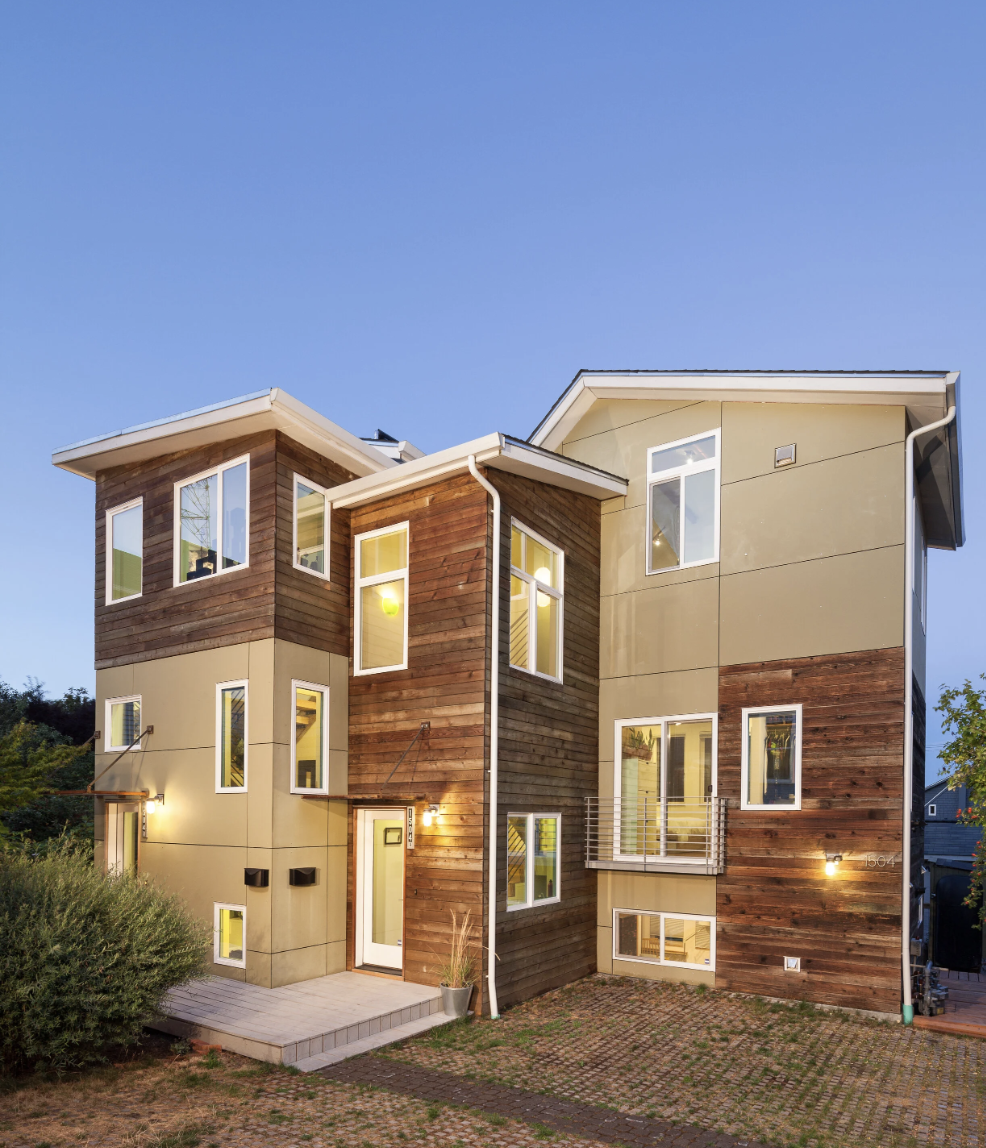
If you are evaluating middle housing in Seattle today, I encourage discipline.
Look for functional floor plans, consistent design quality across units, durable materials, good light, walkable established neighborhoods, and builders with a track record.
Not every project will be excellent. But well-executed middle housing fills a real gap between apartment living and high-priced detached homes.
That gap is not going away.
Final Thought: Timing vs. Fundamentals
The policy moment may feel uncertain. Tech hiring may feel uneven. Political leadership may evolve.
But long-term housing fundamentals in Seattle remain intact.
Uncertainty changes timing. It rarely changes what people want.
If you are evaluating middle housing, or trying to understand how the One Seattle Plan may impact neighborhood values, I'm happy to walk through it with you.
No urgency. No drama. Just clear analysis and smart positioning.
—Matthew
