
Why are Mid-Century Homes so Popular?
When I toured a mid-century modern home this week, I kept thinking about something a software engineer once told me:
“In a great app, the beauty comes from the logic.”
If the system underneath is clean, the interface becomes simple and elegant.
And that’s exactly how many 1960s mid-century homes were designed.
Interestingly, that’s one reason tech professionals often gravitate toward them. The philosophy behind mid-century architecture mirrors how engineers think about product design.
The style and the function are the same thing.
Why do Tech Professionals Love Mid-Century Homes?
Many mid-century architects believed architecture should be logical, honest, and efficient.
Rather than decorating a structure, they designed homes where form followed function.
Sound familiar?
It’s essentially the same philosophy used in modern software engineering.
The result is homes that feel intuitive, calm, and highly livable, even 60 years later.
Here are four characteristics that make these homes so distinctive.
What Defines Mid-Century Homes?
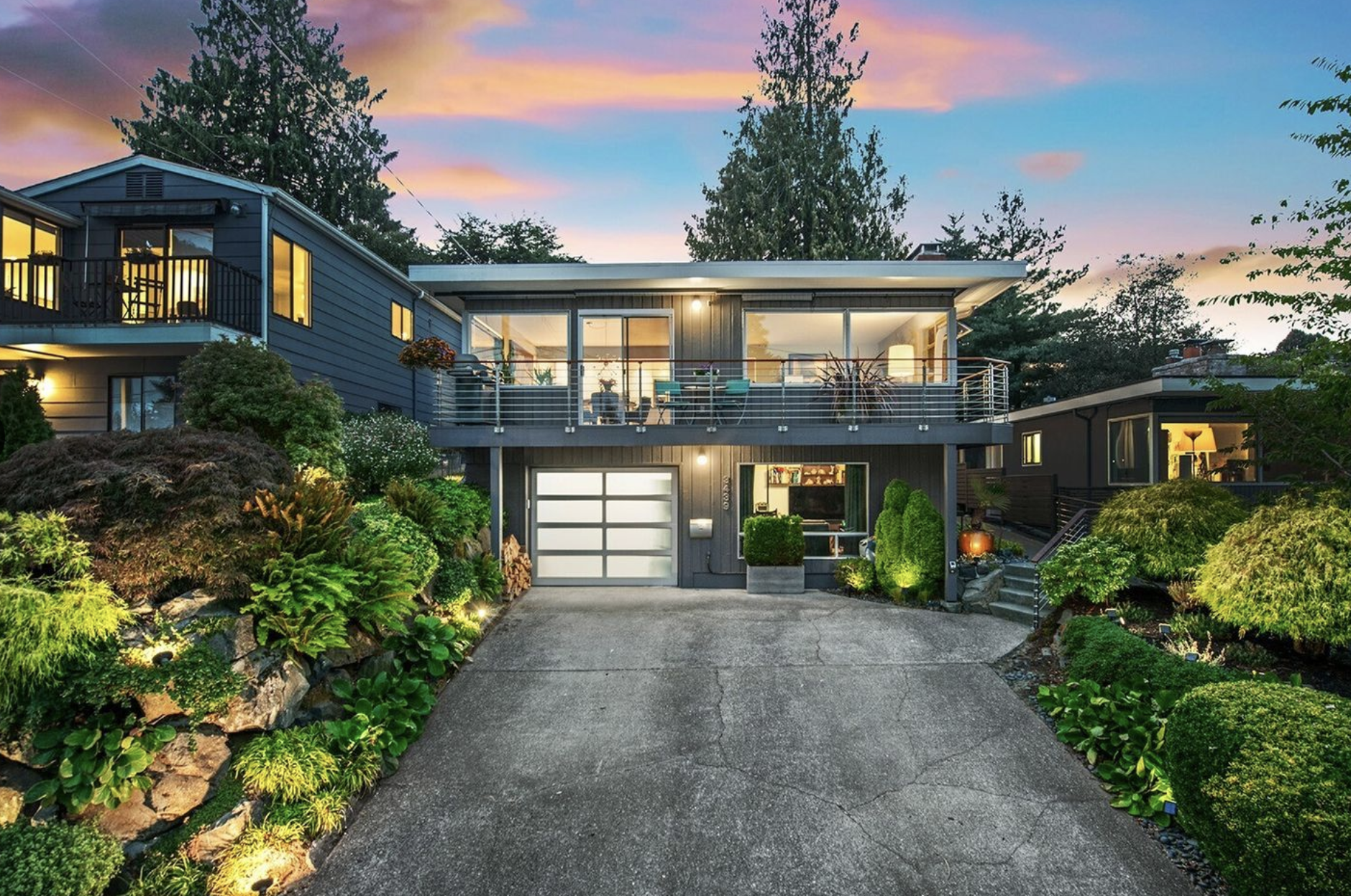
Horizontal Emphasis
Mid-century homes rarely reach upward dramatically.
Instead, they stretch across the land.
You’ll notice:
Low-slung rooflines
Long, uninterrupted sightlines
Architecture that spreads outward rather than upward
This design creates a feeling of stability and calm.
It also visually connects the home to the landscape around it.
2. Integration With the Landscape
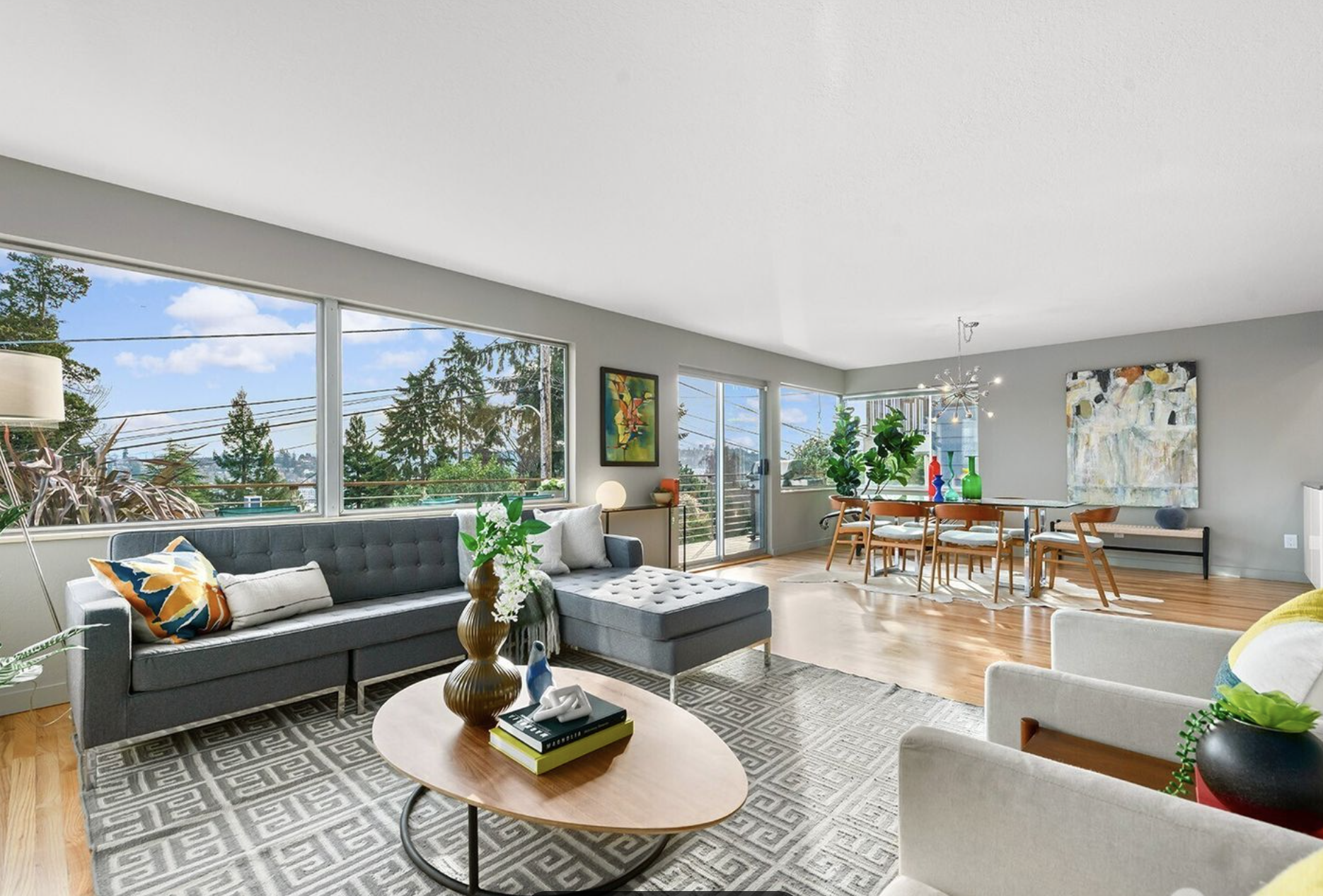
One defining principle of mid-century architecture is that the home should belong to the site.
Instead of separating indoors and outdoors, these homes intentionally blur the boundary.
You’ll often see:
Large decks and patios
Sliding glass doors
Courtyards
Windows framing trees or gardens
The goal was to make nature feel like part of the living space.
3. Large Windows and Natural Light
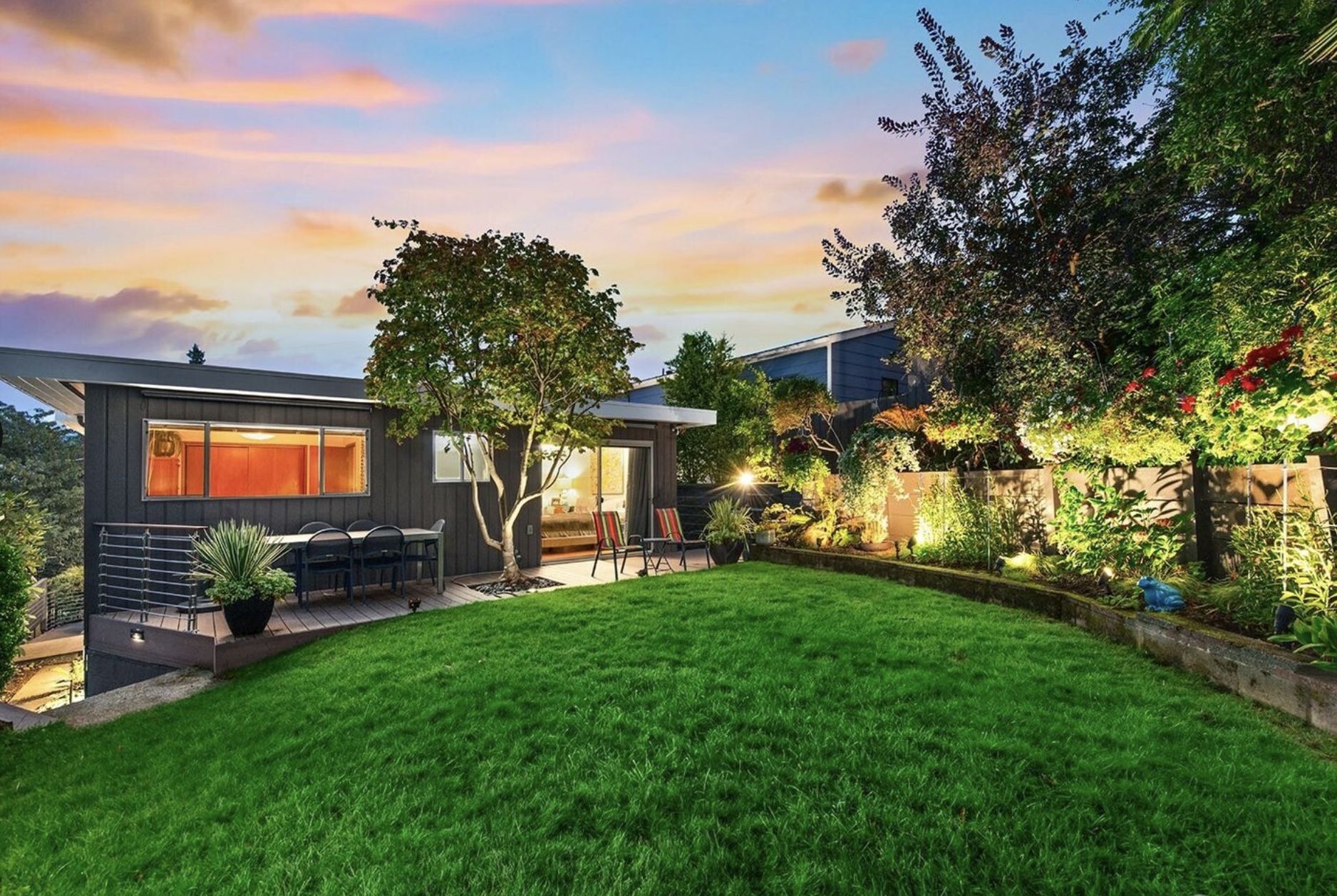
Mid-century homes are famous for their expansive glass.
Corner windows, walls of glass, and skylights were all common.
Why?
Because architects wanted to bring light, views, and openness into everyday living.
The result is a home that feels much larger and brighter than its square footage might suggest.
4. Natural Materials
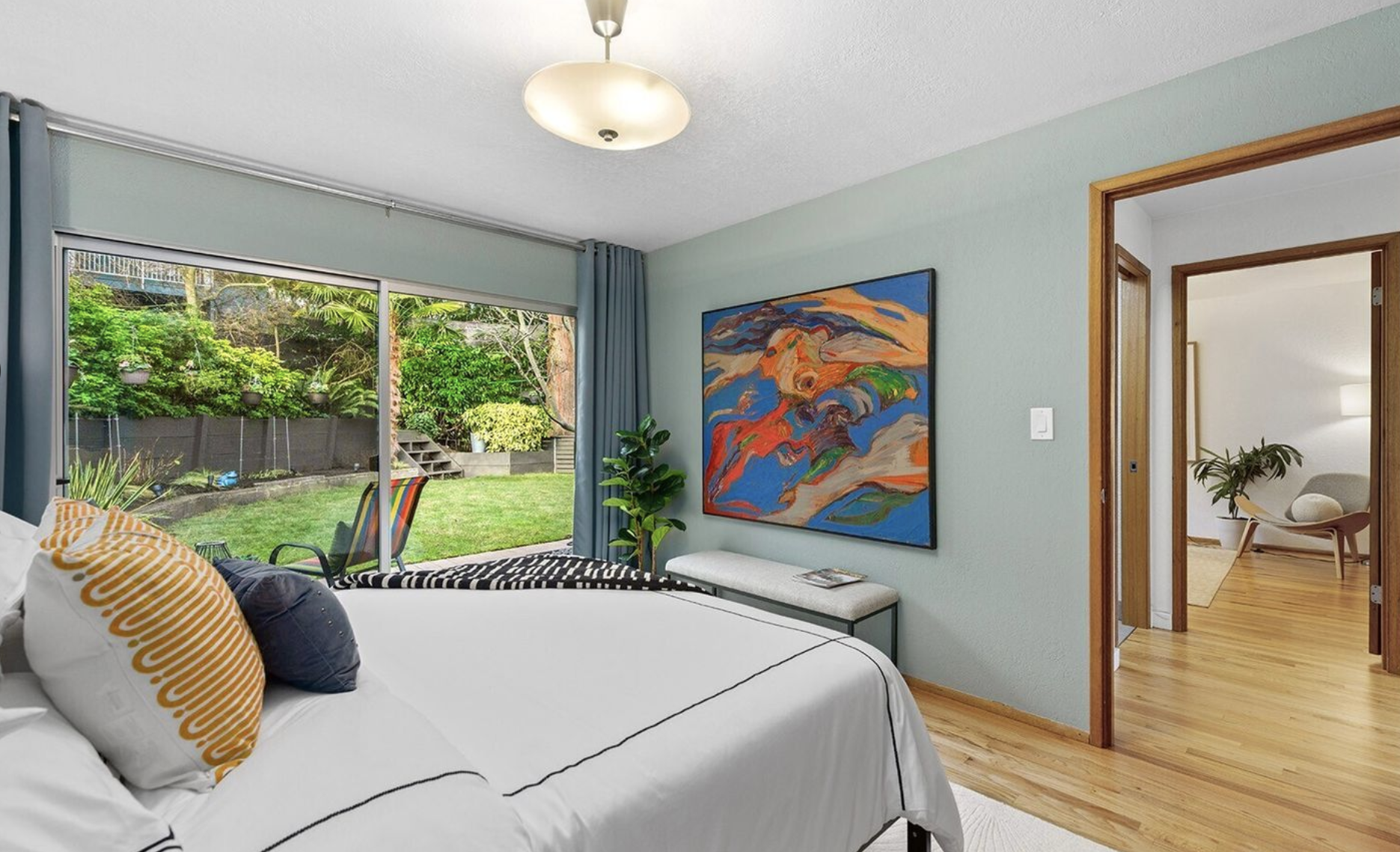
Another hallmark of mid-century design is honest materials.
Instead of covering things up, architects celebrated them.
Common materials include:
Wood paneling
Brick fireplaces
Stone accents
Exposed beams
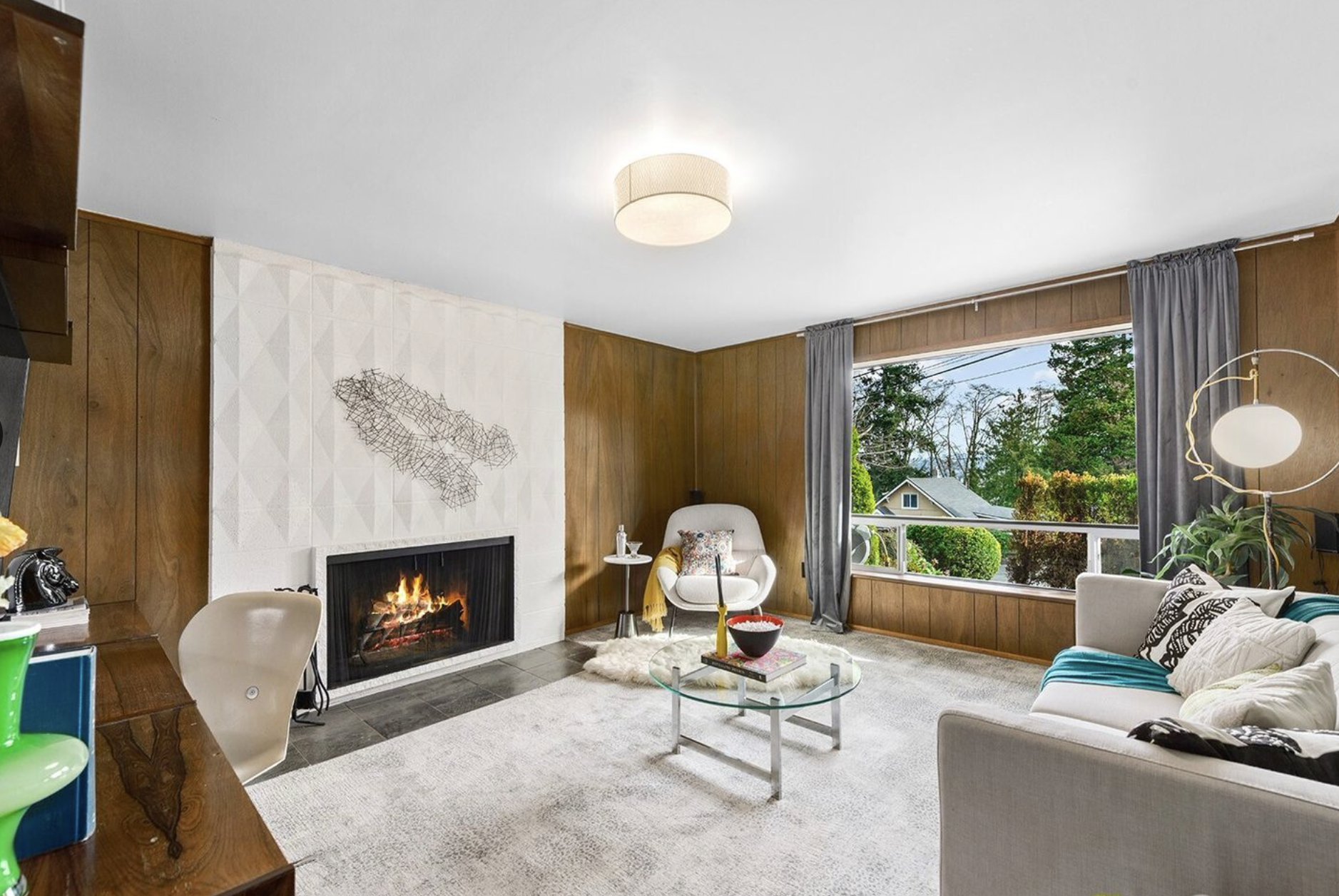
These finishes age beautifully and create warmth that’s difficult to replicate in newer homes.
Are Mid Century Homes Still On-Trend?
Yes, Many buyers today — especially in the tech world — are drawn to environments that feel intentional and thoughtfully designed.
Mid-century homes embody that idea.
Just like a well-designed app:
The structure is logical
The experience is intuitive
The beauty comes from the system itself
When design and function align, the result feels effortless.
That’s why homes built in the 1960s still feel incredibly modern today.
