
Why Seattle Real Estate Is About More Than the House
Sometimes you understand the value of a city by seeing it through someone else's eyes.
Recently, I had family visiting Seattle from out of town. Instead of thinking about the city as a place I live and work every day, I started seeing it the way a visitor does.
We watched whales breaching near Whidbey Island.
We saw the Blue Angels flying over I-90.
We spent a beautiful summer evening at T-Mobile Park.
And we walked the new connection from Pike Place Market down to the Seattle Aquarium.
It was a reminder that one of the most valuable things about living in Seattle isn't necessarily inside your home.
It's everything you can easily access from it.
And that's an important part of understanding Seattle real estate.
When You Buy a Home in Seattle, You're Buying Proximity
When people evaluate a home, they naturally focus on the property itself.

How many bedrooms does it have?
How large is the lot?
Has the kitchen been renovated?
What's the price per square foot?
Those questions matter. But they don't tell the entire story.
A home is also a location.
And that location determines your proximity to the things that make a city desirable.
In Seattle, that can mean access to major employment centers, neighborhood restaurants, parks, waterfront destinations, professional sports, cultural attractions, public transportation, and the broader Pacific Northwest.
You aren't simply purchasing a house.
You're purchasing a place within a much larger network of opportunities and experiences.
Seattle Is More Than a Neighborhood
One of the reasons Seattle real estate can be interesting for long-term homeowners and investors is the combination of urban amenities and regional access.
You can spend a summer evening watching a baseball game downtown and, on another day, be on the water or exploring the islands and mountains surrounding the region.

Seattle sits within an unusually diverse geographic and economic environment.
The city offers access to major employers and employment centers, while the surrounding region provides access to outdoor recreation, water, islands, mountains, and other communities.
That combination is difficult to replicate.
And it becomes part of the value proposition of owning real estate here.
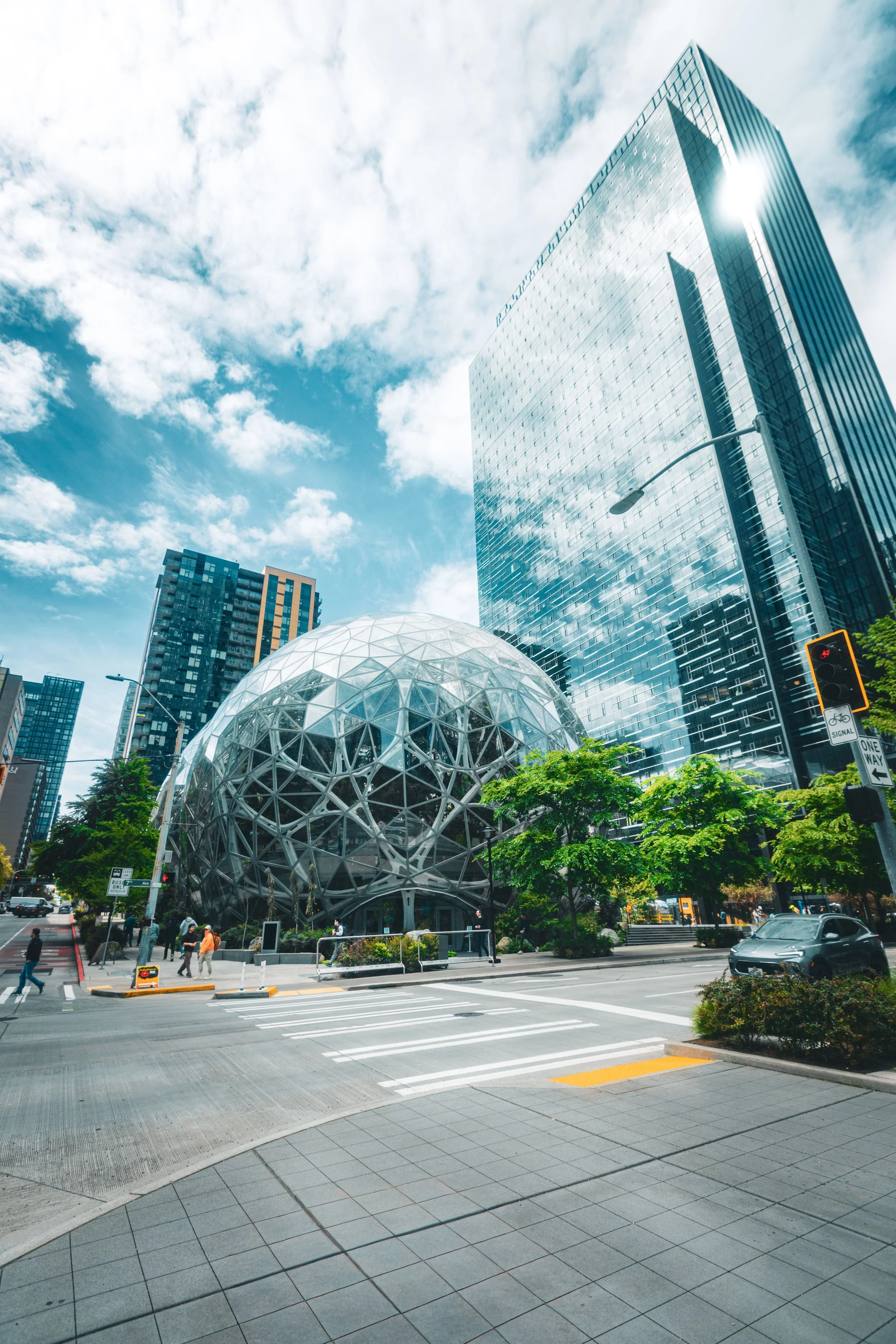
Location Creates Convenience
Real estate professionals talk about "location" constantly, but it can become such a familiar phrase that its meaning gets lost.
Location isn't just a neighborhood name on a listing.
It's what that location allows you to do.
Can you get to work efficiently?
Can you walk or bike to restaurants and parks?
How easily can you reach downtown?
How close are you to the waterfront?
How long does it take to get to the airport?
Can you get to a Mariners or Seahawks game without turning the evening into a major logistical project?
Can your family visit and immediately find things to do?
These questions help explain why two homes that look similar on paper can have very different long-term appeal.
Why This Matters When Buying Seattle Real Estate
If you're buying a home primarily as a place to live, proximity can improve your everyday experience.
If you're thinking about real estate as a long-term investment, the same concept becomes even more interesting.
You aren't just evaluating the physical characteristics of the property.
You're evaluating the desirability of the location over time.
That doesn't mean every Seattle property is automatically a good investment. Price, condition, neighborhood, zoning, taxes, financing, maintenance, and future supply all matter.
But location gives you an important foundation for thinking about long-term value.

People want to live near places that make their lives easier, more interesting, and more connected.
The House Can Change. The Location Doesn't.
One of the things I find most interesting about real estate is that the house itself can change dramatically.
A kitchen can be remodeled.
A bathroom can be renovated.
A basement can be finished.
Landscaping can be improved.
A home can be updated to fit the needs of a completely different owner.
But the location is much harder to change.
You can't move the property closer to downtown.
You can't move it closer to the waterfront.
You can't change the geography of Seattle.
And you can't recreate the combination of city amenities and regional access that exists in a particular location.
That's why location deserves so much attention when evaluating a Seattle home.
Think About What You're Actually Buying
The next time you're looking at a Seattle home, it can be useful to ask a slightly different question.
Instead of asking only:
"What am I buying?"
Ask:
"What am I buying access to?"
Maybe it's access to downtown.
Maybe it's access to the waterfront.
Maybe it's access to a particular school or neighborhood.
Maybe it's access to major employers.
Maybe it's access to parks, restaurants, sports, or cultural attractions.
Or maybe it's the ability to experience all of those things while still having a neighborhood where you can come home and slow down.
That's part of what makes Seattle real estate compelling.
Seattle Real Estate Is Ultimately About Place
My family's visit reminded me that it's easy to take a city for granted when you live here.

You stop noticing the things that visitors immediately notice.
The water.
The mountains.
The ferries.
The neighborhoods.
The sports.
The restaurants.
The access to nature.
The connections between the city and the region.
But those things are part of what people are choosing when they decide to live in Seattle.
And when you buy a home here, you're buying into that choice.
The house matters.
But so does everything outside the front door.
That's why, when evaluating Seattle real estate, I think it's worth looking beyond the property itself and asking a bigger question: What kind of life does this location make possible?
That may be one of the most important questions you can ask before buying a home in Seattle.
I help legacy homeowners and tech professionals make smart real estate decisions. Based in Seattle. Often thinking out loud in Magnolia.
