
Why Neighborhood Matters When Buying a Home in Seattle
When people buy a home, they usually focus on the things that are easiest to measure.
How many bedrooms?
How big is the lot?
How long is the commute?
Is the kitchen updated?
What are comparable homes selling for?
Those questions matter.
But there is another part of buying real estate that is harder to put into a spreadsheet:
What kind of life can you see yourself living here over time?
I was thinking about that recently at Magnolia Summer Fest in Seattle.
An 80s tribute band, Prom Date Mixtape, was playing for a crowd of roughly a thousand people. People were singing along for two hours, and, honestly, a lot of them looked like me. There was plenty of Gen X representation in the crowd.
I looked around and thought: This is part of what makes a community valuable.
It isn't just the house.
It isn't just the commute.
It's the experiences you accumulate by living there.
And that is something worth considering when you're buying a home in Seattle.
Why Does Neighborhood Matter When Buying a Home?
A neighborhood matters because it shapes much of your daily life outside the walls of your house.
Your neighborhood influences where you walk, where you spend time, where your children play, where you meet friends, how often you interact with neighbors, and how connected you feel to the place where you live.
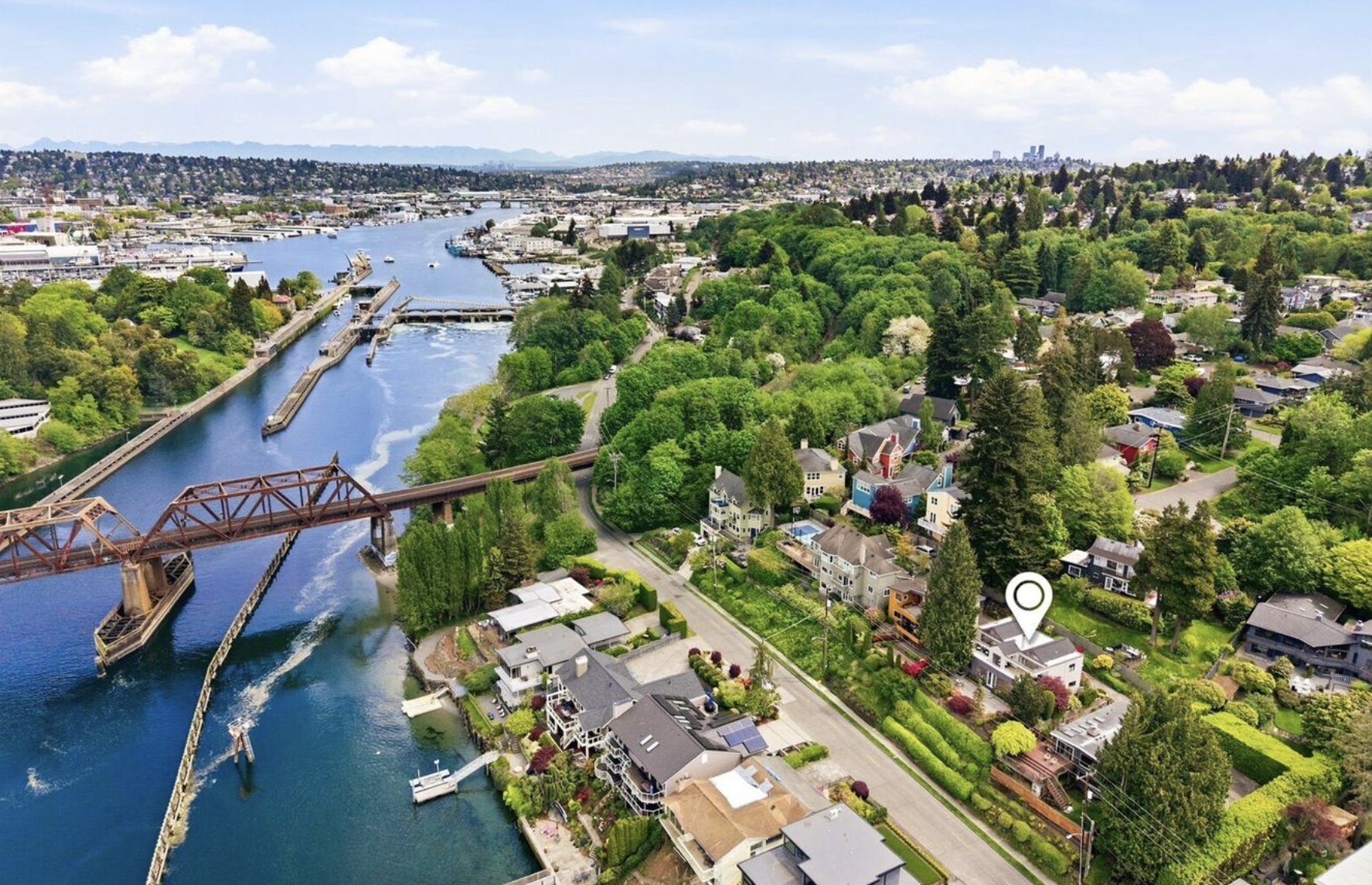
For buyers planning to stay in a home for many years, those experiences can become just as important as the physical features of the property.
You can measure square footage.
You can measure the lot.
You can compare recent sales.
But you can't easily measure the value of knowing the people at the neighborhood coffee shop, recognizing your neighbors at a summer festival, or having a park become part of your weekly routine.
Those things accumulate over time.
A House Is Only Part of the Purchase
When you buy a home, the house is the part of the purchase you can evaluate most easily.
You can compare floor plans, finishes, lot sizes, renovations, taxes, and recent comparable sales.
The neighborhood is different.
It is harder to quantify, but it can have an enormous effect on your experience of owning the home.
Maybe you become a regular at the same coffee shop.
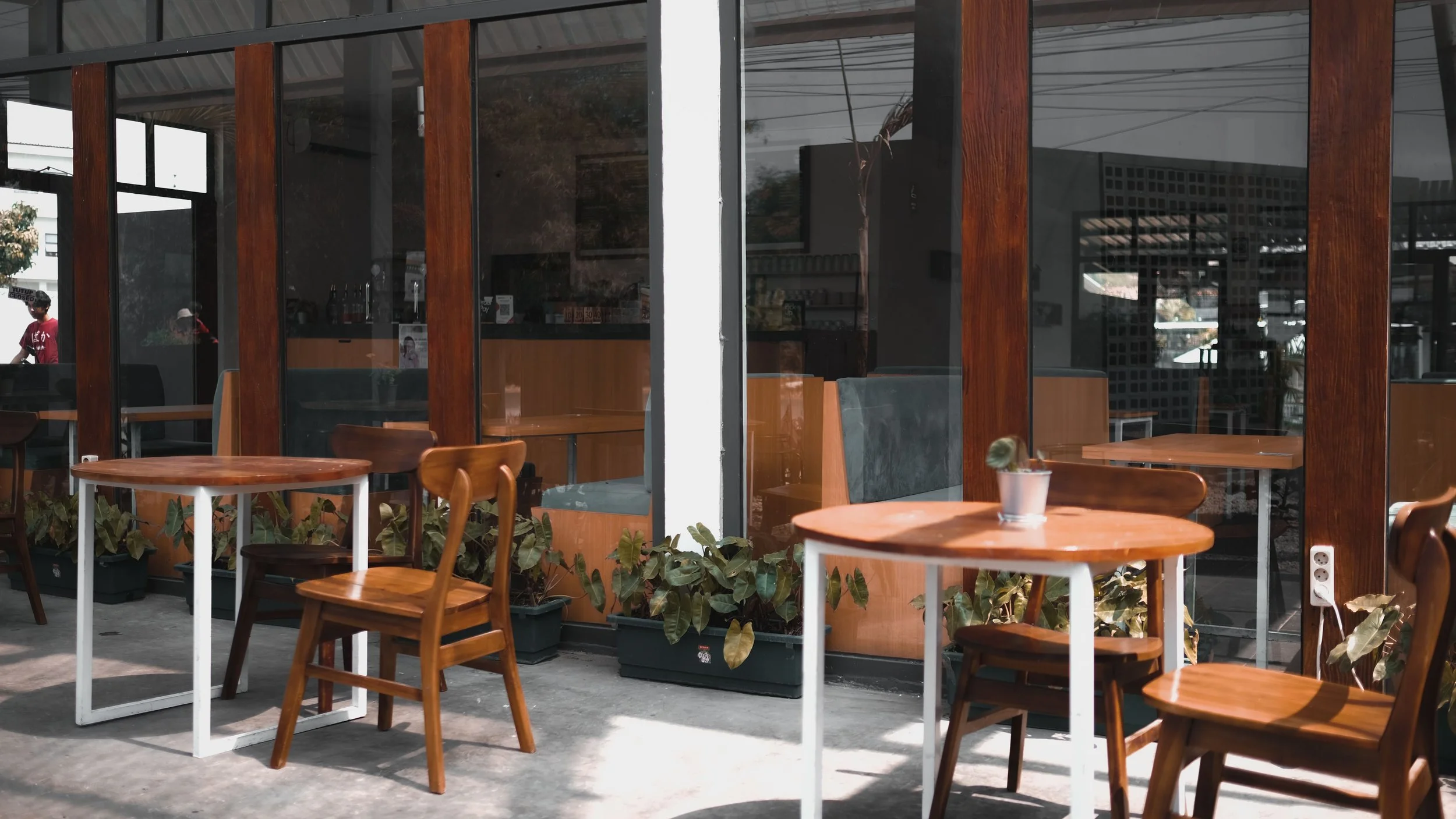
Maybe your kids grow up going to the same park.
Maybe you walk the same route every evening.
Maybe you start recognizing people around the neighborhood.
Maybe the annual summer festival becomes something your family looks forward to every year.
None of those things appear on a listing sheet.
But after five, ten, or twenty years, they can become a significant part of why you feel attached to a place.
What Makes a Seattle Neighborhood Valuable?
There isn't one definition of a great Seattle neighborhood.
Different buyers value different things.
For some people, it is a short commute.
For others, it is walkability or access to parks.
Some buyers care most about schools and family activities. Others prioritize restaurants, coffee shops, nightlife, outdoor recreation, or proximity to downtown.
For many buyers, it is a combination of all of those things.
But there is another characteristic worth paying attention to:
Does the neighborhood give you reasons to actually participate in it?
That might mean community events, local businesses, parks, trails, gathering places, or simply a street where people know each other.
A neighborhood becomes more meaningful when it isn't just the place where your house happens to be located.
It becomes part of your life.
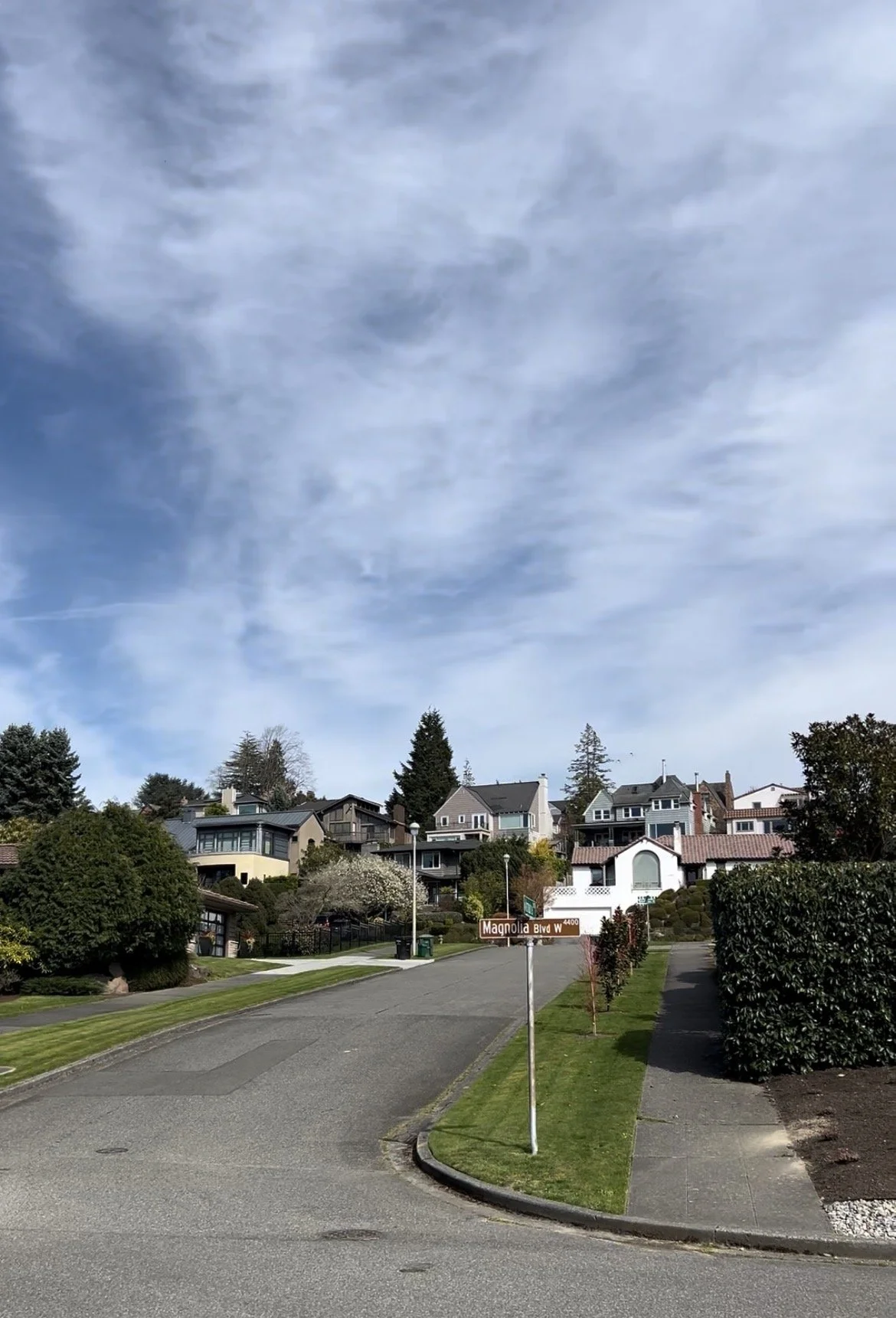
Magnolia Seattle: A Good Example
Magnolia is a good example of this idea.
The neighborhood is known for its residential streets, views, parks, outdoor spaces, Magnolia Village, and relative separation from some of the busier parts of Seattle.
But what makes Magnolia interesting to me as a real estate market isn't simply the collection of physical features.
It's the way those features create opportunities for people to build routines.
You can walk through the neighborhood.
Spend time in Magnolia Village.
Visit a park.
Take in the views.
Go to a community event.
Meet friends nearby.
And then do those things again next week, next month, and next year.
That's where the long-term value of a neighborhood starts to become more personal.
A buyer might initially choose Magnolia because of the house.
Years later, they may realize that what they value most is everything that developed around that house.
The Difference Between a Good House and a Good Fit
A house can be objectively good and still be the wrong fit for a particular buyer.
Maybe the home has the right number of bedrooms but puts you far away from the places you actually spend your time.
Maybe the commute works, but you don't feel connected to the surrounding community.
Maybe the house is beautiful, but most of your life still happens somewhere else.

That doesn't necessarily mean the property is a bad investment.
It may simply mean the location doesn't fit the life you're trying to live.
This is why I think buyers should evaluate the neighborhood as carefully as they evaluate the house.
Don't just drive through once during an open house.
Spend some time there.
Walk around.
Visit a local business.
Check out the parks.
Look at what people are doing on an ordinary afternoon.
If possible, visit at different times of day.
Pay attention to whether you can imagine your normal routines taking place there.
What Tech Professionals Moving to Seattle Should Consider
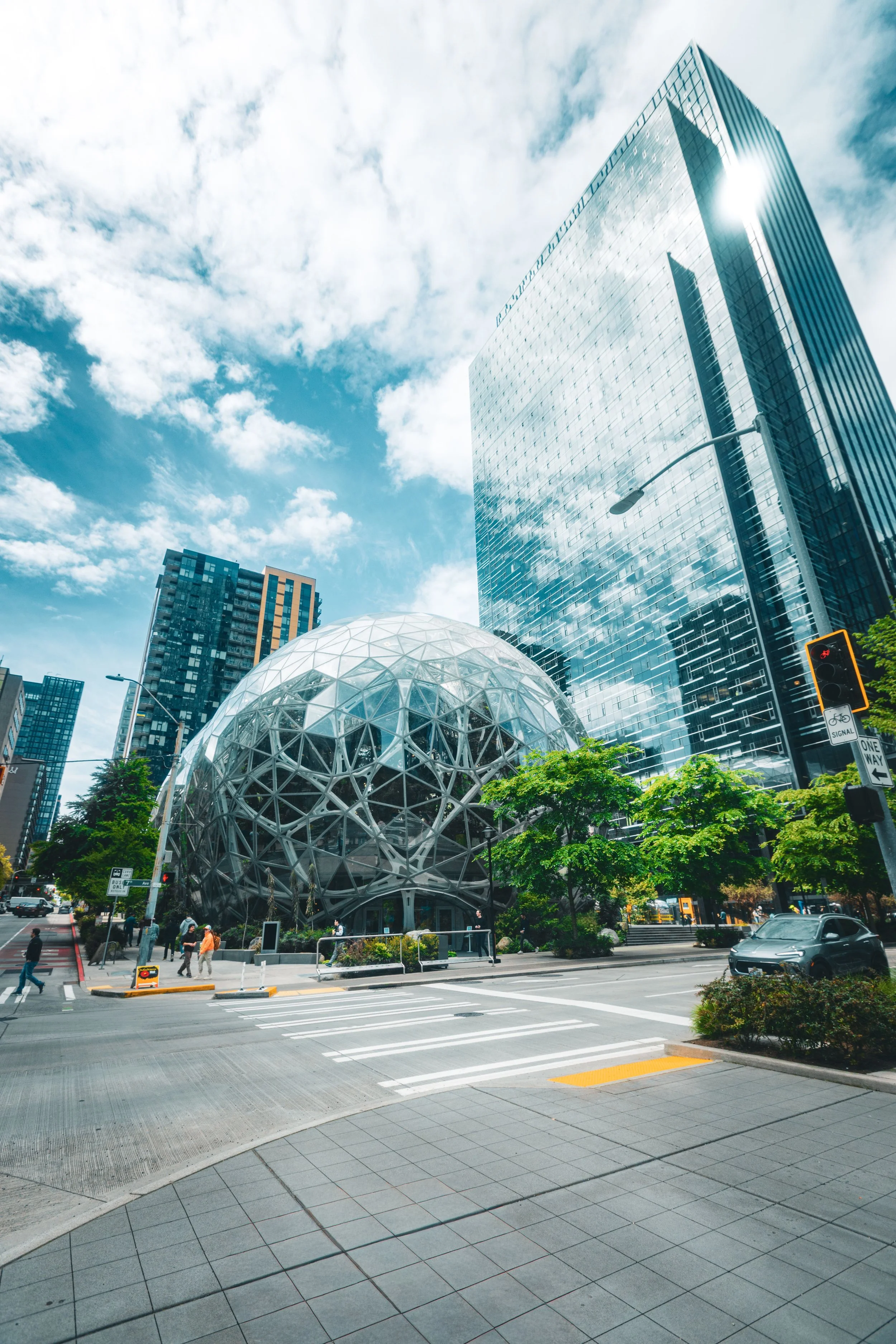
For tech professionals relocating to Seattle, it can be easy to approach a home purchase like a problem that needs to be optimized.
Price.
Commute.
Square footage.
Taxes.
Interest rates.
Appreciation potential.
Those variables matter.
But if you're buying a home rather than simply renting a place to sleep between workdays, there is another question worth asking:
What do I want my life outside of work to look like?
A shorter commute might be worth paying for.
But so might access to parks, neighborhood events, outdoor spaces, restaurants, or places where you can build a routine.
There isn't a universal answer.
The important thing is understanding the tradeoff.
A home that saves you 15 minutes on your commute might not be the best choice if you spend your weekends driving somewhere else to do everything you enjoy.
What Legacy Homeowners Already Know
Long-term homeowners often understand this differently.
If you've lived in the same Seattle neighborhood for decades, the neighborhood may be woven into your life in ways that are difficult to put into a market analysis.
You know the streets.
You know the neighbors.
You know where you've taken your family.
You know the places that have changed and the places that have stayed the same.
You may have watched children grow up there.
You may have built friendships there.
You may have accumulated decades of experiences that have nothing to do with the square footage of your house.
That's part of why selling a long-owned home can be such a complicated decision.
You're not simply deciding whether to sell a property.
You're deciding whether to leave a place where a significant part of your life has happened.
Questions to Ask Before Buying a Home in Seattle
When you're evaluating a home, the financial and physical characteristics of the property should absolutely be part of the decision.
But I'd add a second set of questions:
Where will I spend my Saturday mornings?
Where will I walk?
Where will I spend time with friends?
What will I do when family visits?
Are there places nearby that I can imagine becoming part of my routine?
Can I see myself living here five or ten years from now?
These questions don't replace the financial analysis.
They give you another way to evaluate whether a property is actually a good fit.
The Long-Term Value of Familiarity
One of the underrated benefits of staying in a neighborhood is familiarity.
Over time, you stop experiencing the neighborhood as a collection of streets and buildings.
You know which route you like to walk.
You know where to grab coffee.
You recognize people.
You know where to take visitors.
You develop routines without having to think about them.
And eventually, those routines become memories.
That's part of the reason I think real estate should be evaluated on a longer time horizon.
The value of a home isn't only what happens on the day you buy it or the day you eventually sell it.
There is also the value of everything that happens while you own it.
You're Buying More Than a House
Standing at Magnolia Summer Fest and watching a crowd sing along to songs from decades ago isn't exactly a traditional real estate analysis.
But it made the point pretty clearly.
A great neighborhood isn't valuable only because of its houses.
It's valuable because of what happens around those houses.
The festivals.
The parks.
The walks.
The local businesses.
The familiar faces.
The traditions.
The ordinary Tuesday afternoons that eventually become memories.
Those things don't show up in a Zestimate or a comparative market analysis.
But if you're buying a home in Seattle with the intention of staying for a long time, they're worth considering.
Because eventually, you're not just buying a house.

You're buying into a place where your life is going to happen.
