
Should You Price Your Magnolia Home High? When a Higher List Price Can Make Sense
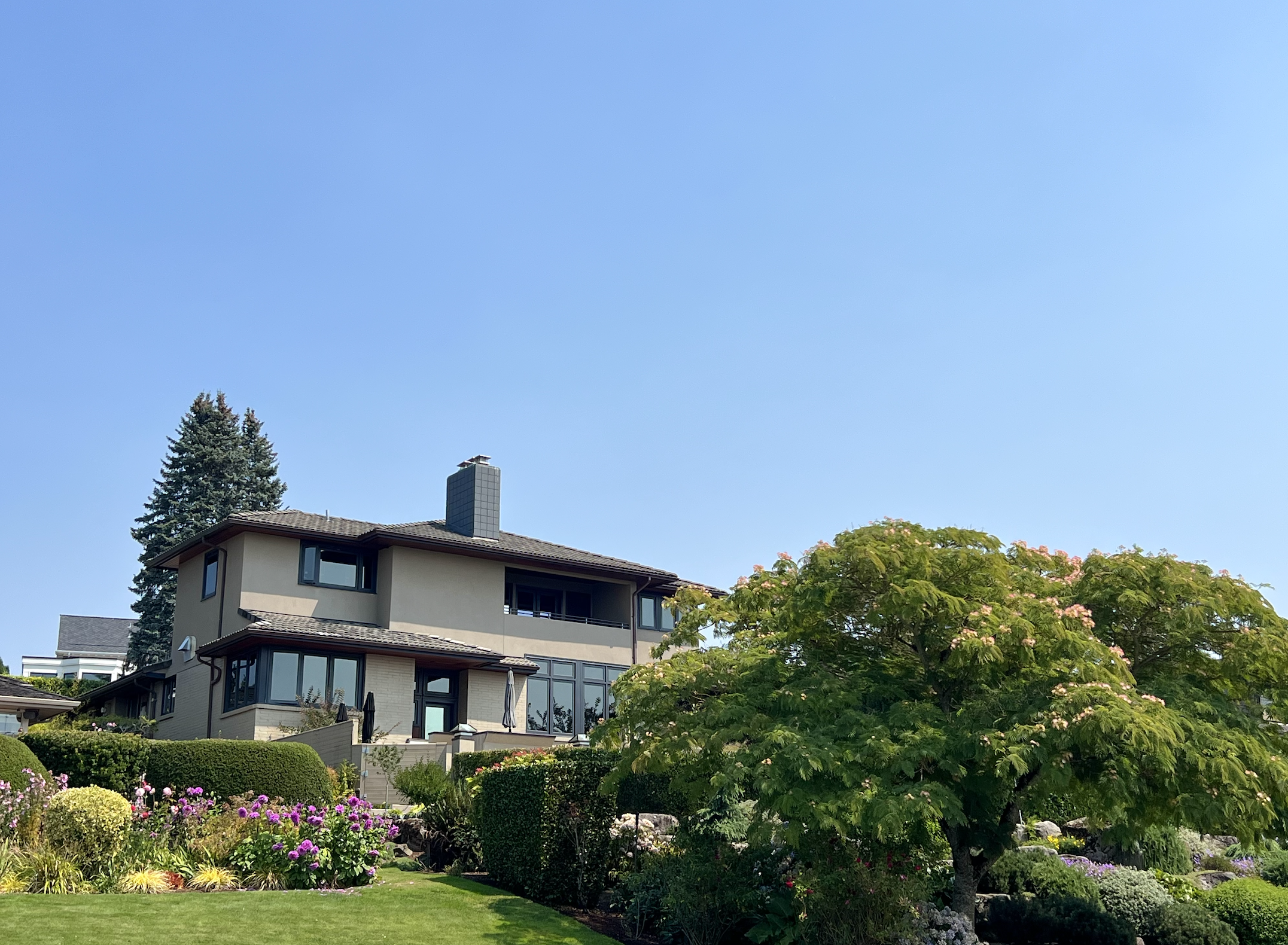
If you’re selling a home in Magnolia—or anywhere in Seattle—you may hear a familiar piece of advice:
Price it low and let the market bid it up.
For years, that strategy has worked extremely well in strong seller's markets.
But it isn't a universal rule.
And when you're selling a home that is genuinely one of the best options in its price range, there are situations where pricing on the high side may actually be the smarter strategy.
This is especially worth considering with distinctive Magnolia homes, where buyers aren't always choosing between five nearly identical properties.
Sometimes, the right buyer isn't looking for the cheapest house.
They're looking for the house that checks the boxes they can't easily find somewhere else.
The Traditional Strategy: Create a Bidding War
The traditional pricing strategy is straightforward.
List the home slightly below what you believe it is worth.
The idea is to attract more buyers, create competition, and encourage multiple offers.
If several motivated buyers want the same house, they can push the final sale price significantly higher than the original list price.
When demand is strong, this can work beautifully.
But there's an important assumption behind the strategy:
There have to be enough buyers willing to compete.
That isn't always the case.
Today's Seattle Buyer May Be More Selective
There are still motivated buyers looking for homes in Seattle.
That includes buyers relocating for work, buyers who have sold another home, families looking for a particular neighborhood, and buyers who have been waiting for the right property.
But motivated doesn't necessarily mean willing to compete against five other buyers.
There may simply be fewer buyers looking at your particular type of home at a particular price point.
And that changes the pricing equation.
Instead of needing several buyers to push one another higher, you may need to find the one buyer who understands why your home is worth the number you're asking.
Why This Can Matter in Magnolia

Magnolia is an interesting example because the neighborhood isn't one-size-fits-all.
A home in Magnolia can offer a very different experience depending on where it sits within the neighborhood.
You can have homes with:
Puget Sound or city views
Larger lots
Updated interiors
Mid-century architecture
Traditional homes with character
Newer construction
Proximity to Magnolia Village
Access to Discovery Park
Quiet residential streets
Views toward the Olympic Mountains
Unique indoor-outdoor living spaces
Those characteristics can make certain homes much harder to compare directly with one another.
And when a property is difficult to replace, the pricing strategy can change.
Buyers Compare Your Home to Its Alternatives
A buyer doesn't simply ask:
"What is this house worth?"
They're asking:
"What else can I buy for this amount of money?"
That's one of the most important questions in real estate pricing.
Imagine a buyer has a $1.5 million budget.
They may look at homes throughout Magnolia and other Seattle neighborhoods.
If your home is simply average compared with the alternatives, you may need to compete aggressively on price.
But what if your home has something the other properties don't?
Maybe it's the view.
Maybe it's the lot.
Maybe it's the location.
Maybe it's the architecture.
Maybe it's the renovation.
Maybe it's a combination of several things that would be difficult for a buyer to replicate.
Now the buyer isn't necessarily comparing your home to five identical houses.
They may be comparing your home to the possibility of not finding another one like it.
That matters.
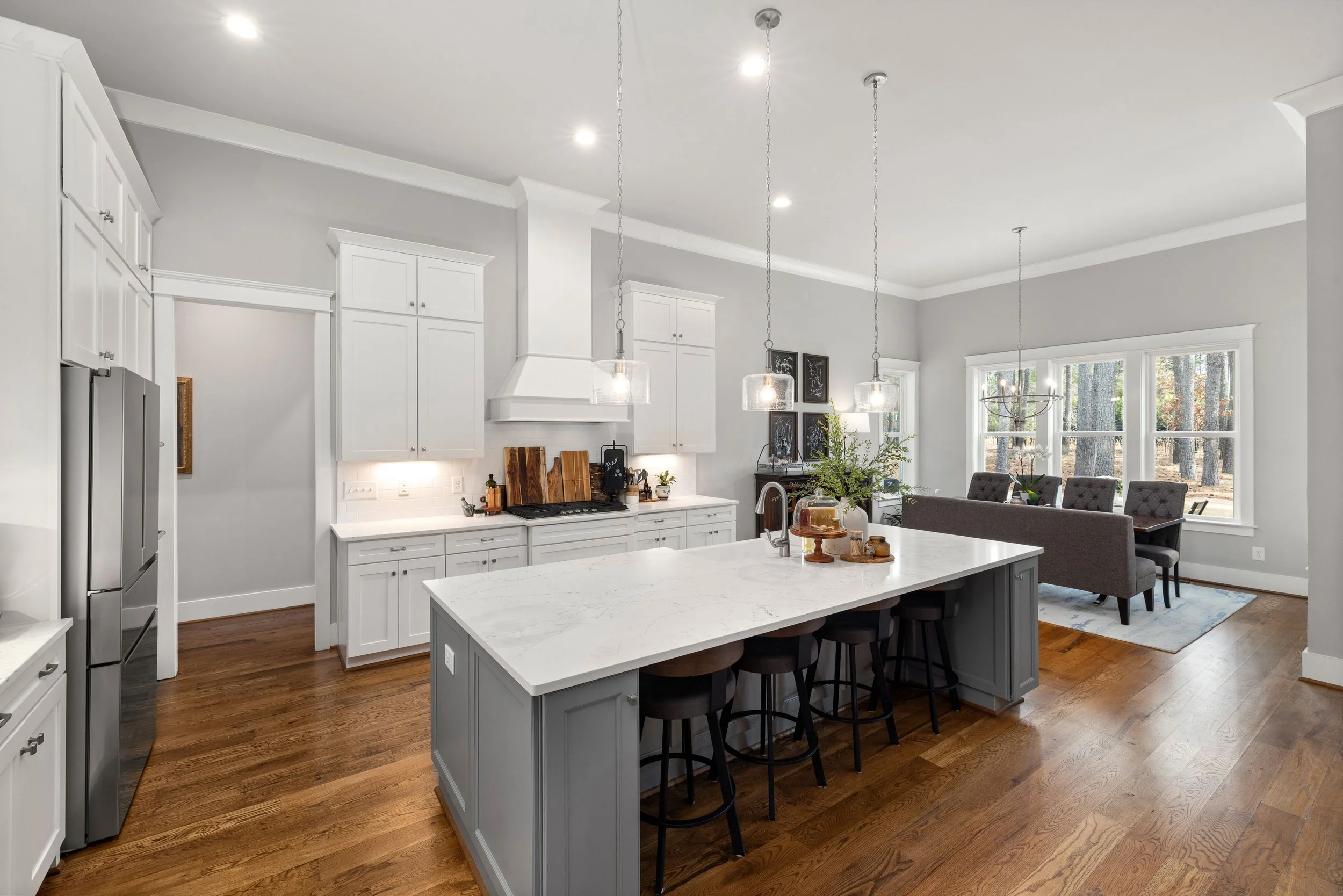
The Best Home in the Price Bracket Doesn't Always Need to Be the Cheapest
This is where the idea of pricing on the high side becomes interesting.
If your Magnolia home is genuinely one of the best options available within its price bracket, you don't necessarily need to win the buyer by being the lowest-priced option.
You may need to win them by being the best option.
That's a different strategy.
For example, suppose several homes are available around the same price.
One has a better view.
Another has a nicer kitchen.
Another has a larger lot.
Another has a better location.
But your home combines several of those characteristics.
That can create a different kind of value.
The buyer may not need to see five other buyers competing for your home to understand that they want it.
They may simply recognize that this is the house they don't want to lose.
But Pricing High Is Not the Same as Overpricing
This distinction is critical.
I'm not suggesting that every Magnolia seller should simply put a large number on the listing and wait.
That's not a pricing strategy.
That's hoping.
A higher list price needs to be supported by the market.
You still need to understand:
Recent comparable sales
Current competing listings
The home's condition
Location within Magnolia
Lot size
Views
Architecture
Renovations
Buyer demand
How quickly similar properties are selling
The question is not:
"How much can I get someone to pay?"
The better question is:
"Where does this home sit relative to the other choices a buyer has?"
Why Pricing Too High Can Backfire
There is a real downside to getting this wrong.
If the market doesn't support the price, buyers may simply move on.
And once a home sits on the market, the seller can lose some of the advantage that comes with being new.
Buyers begin wondering why the property hasn't sold.
They may assume there is a problem.
And eventually, a price reduction can become necessary.
That's why I wouldn't describe this strategy as simply "price high."
I'd describe it as:
Price according to the home's position in the market.
If the home is exceptional, the price should reflect that.
If it isn't, the strategy needs to account for the competition.
You May Not Need Five Offers
This is probably the biggest misconception behind the traditional bidding-war strategy.
You don't necessarily need five offers to achieve a strong sale.
You may need one highly motivated buyer.
Consider a Magnolia home with a combination of features that are difficult to find.
A buyer who has been searching for that exact combination may value it differently from a buyer who is simply browsing the market.
They may not want to wait for another home.
They may not believe another comparable property will appear next week.
And they may be willing to pay a premium to secure the right house.
That buyer doesn't necessarily need competition to become motivated.
The property itself creates the motivation.
The Real Pricing Question for a Magnolia Seller
If you're preparing to sell in Magnolia, I don't think the first question should be:
"Should we price below market to create a bidding war?"
Instead, I'd start with:
"How does this home compare with every realistic alternative a buyer has right now?"
Then ask:
"What makes this property difficult to replace?"
And finally:
"Does the pricing strategy reflect that?"
Sometimes the answer will be to price aggressively and create urgency.
Sometimes the answer will be to position the home closer to the top of its realistic value.
And sometimes the answer will be somewhere in between.
There isn't one formula that works for every Magnolia home.
Magnolia Homes Are Not Commodities
One of the reasons I enjoy working in Magnolia is that the neighborhood has so much variety.
Two homes can have similar square footage and still offer completely different experiences.
One might have a spectacular view.
Another might have an incredible yard.
Another might be steps from Magnolia Village.
Another might have a renovation that makes it truly move-in ready.
Another might have architecture that a buyer simply can't reproduce with a renovation.
That makes pricing more nuanced.
The value isn't always in the number of bedrooms or the square footage.
Sometimes it's in what the buyer can't easily find somewhere else.
The Bottom Line
Pricing a Magnolia home isn't simply about deciding whether to price high or low.
It's about understanding the home's position in the market.
If your property is one of many similar choices, competing aggressively on price may make sense.
But if your home is genuinely one of the best options in its price bracket, there may be a strong argument for pricing it like it.
Especially in a market where there may be fewer motivated buyers, you can't always assume that a low list price will automatically create a bidding war.
Sometimes there won't be five offers.
There may be one.
And if that one buyer truly understands the value of your home, you may want your pricing strategy to give them the opportunity to meet your number from the beginning.
In Magnolia, the right pricing strategy isn't about creating excitement for the sake of excitement.
It's about understanding what makes a particular home special — and positioning it accordingly.
